Advanced metal power inductor Solutions for Pakistan Industrial Electronics

Advanced metal power inductor Solutions for Pakistan Industrial Electronics

High-performance magnetic components engineered for durability and efficiency in the challenging electrical environments of South Asia.

Advanced metal power inductor Solutions for Pakistan Industrial Electronics

Empowering Pakistan's manufacturing sector with high-precision magnetic components, from standard energy storage to complex multi-phase power conversion systems.

Electronic Components Landscape in Pakistan

Analyzing the intersection of infrastructure demands and magnetic component requirements.

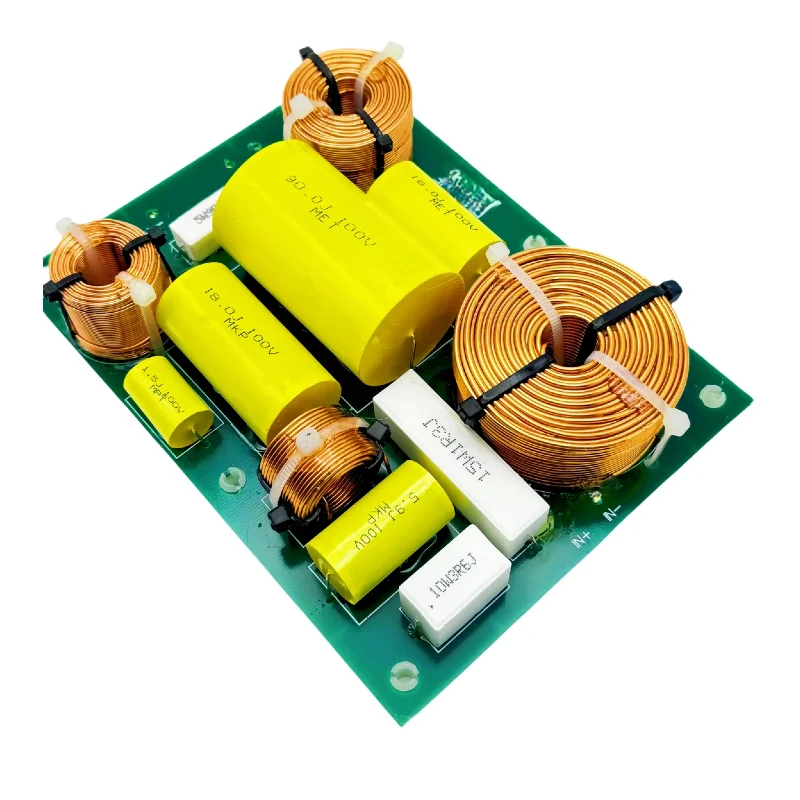
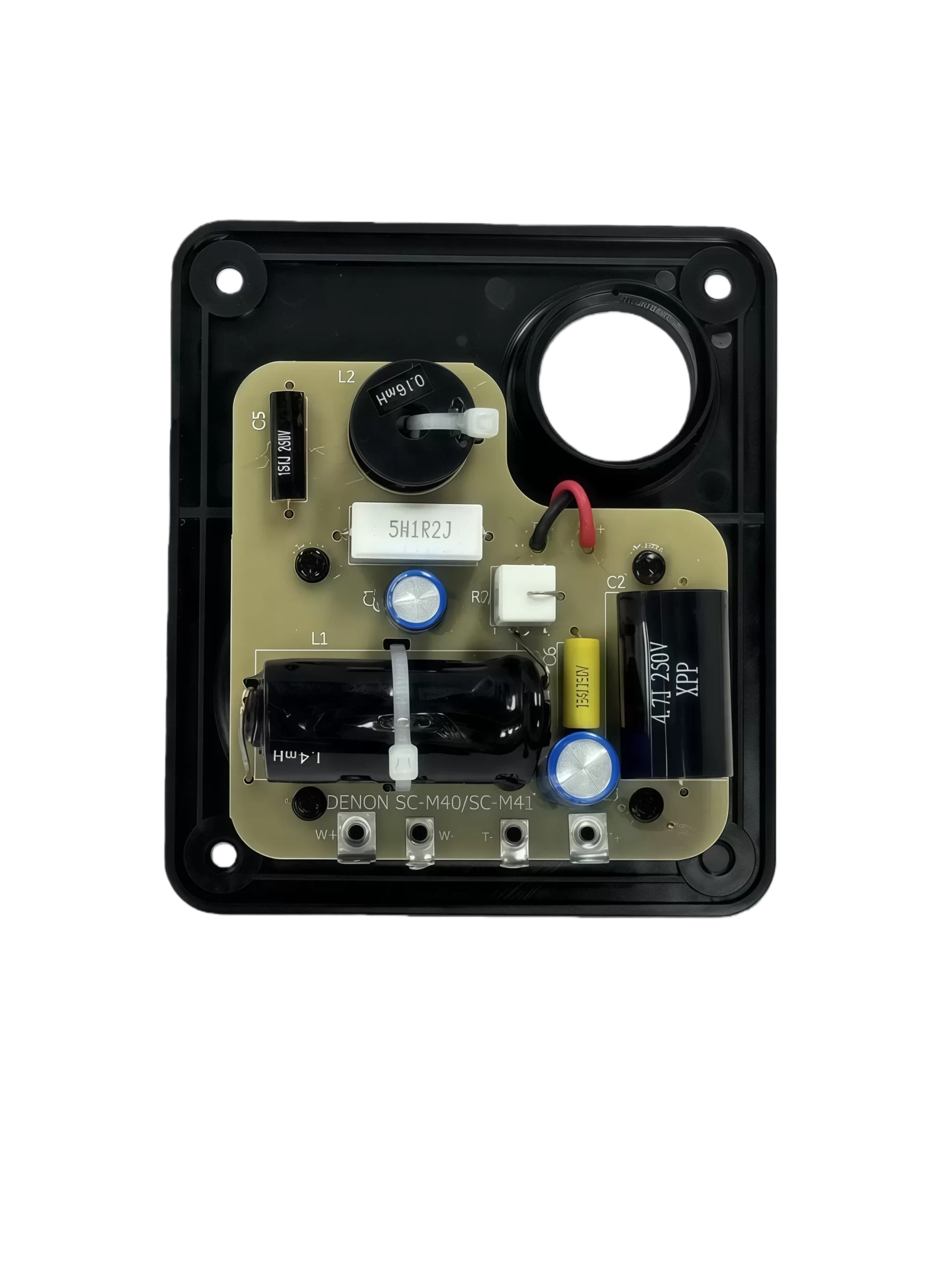
In Pakistan, the manufacturing of electronic devices faces unique challenges due to extreme temperature fluctuations and intermittent power stability. This environment necessitates the use of a robust bead inductor to filter high-frequency noise and ensure the longevity of sensitive communication equipment.

The local industrial sector is currently shifting toward localized assembly of power supplies and consumer electronics. This transition has increased the demand for a reliable drum inductor, which provides the necessary balance between DC resistance and current saturation for cost-effective production.

Furthermore, the growth of the telecommunications infrastructure across Punjab and Sindh requires components that can withstand high thermal stress. Implementing a high-grade coupled inductor buck converter design is becoming essential to maintain voltage stability in remote cellular base stations.
Evolution and Trajectory of Magnetic Components

From basic ferrite cores to integrated high-density power solutions.

Market Development History

During the early 2000s, the Pakistan market relied heavily on imported, bulky transformers. The focus was primarily on basic voltage regulation with limited attention to EMI/EMC standards, using simple air-core components.

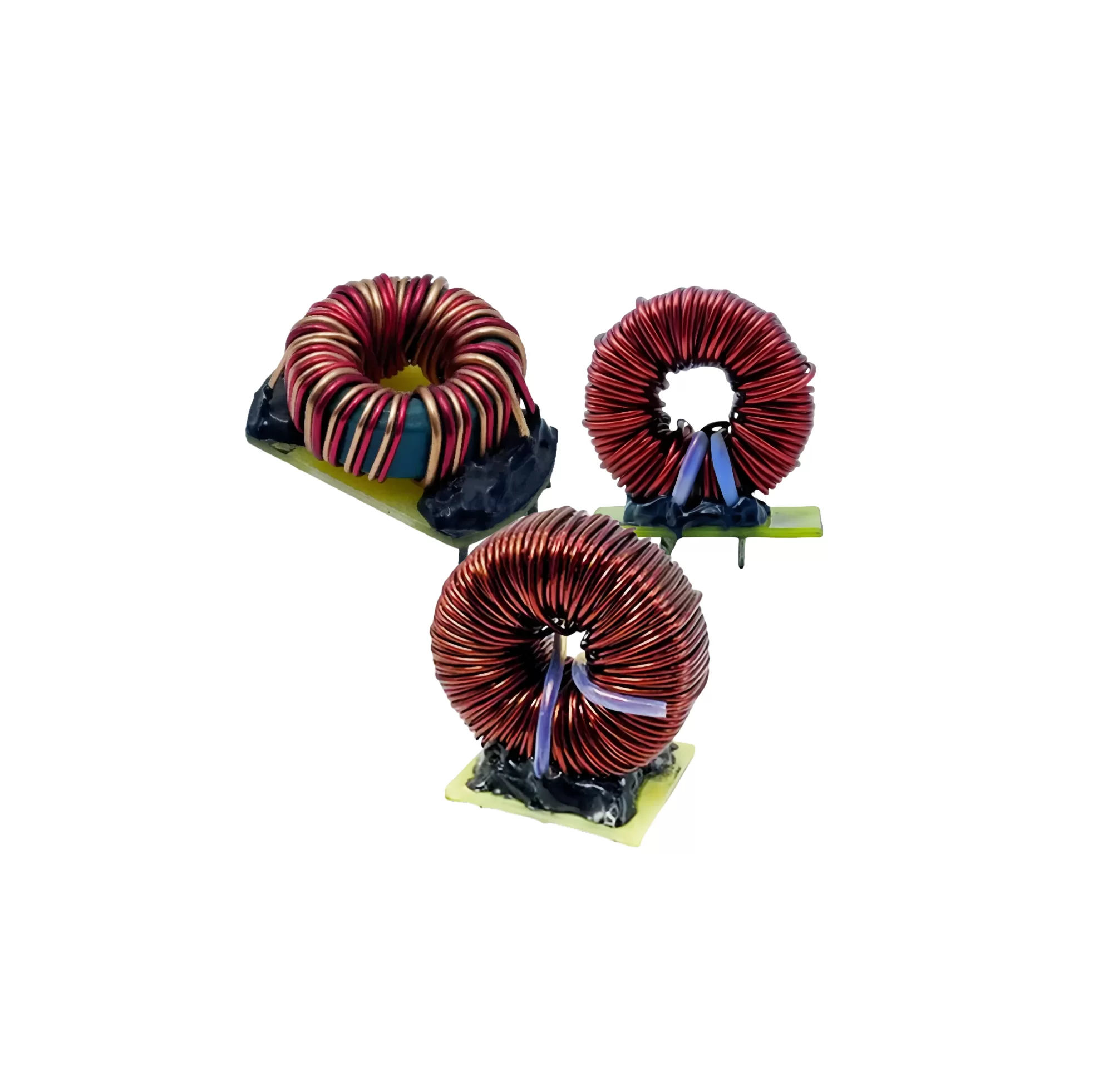
Between 2010 and 2020, the rise of mobile technology led to the adoption of the coupled inductor model. This era marked a transition toward miniaturization, where space-saving magnetic designs became critical for the burgeoning smartphone repair and assembly hubs in Karachi.

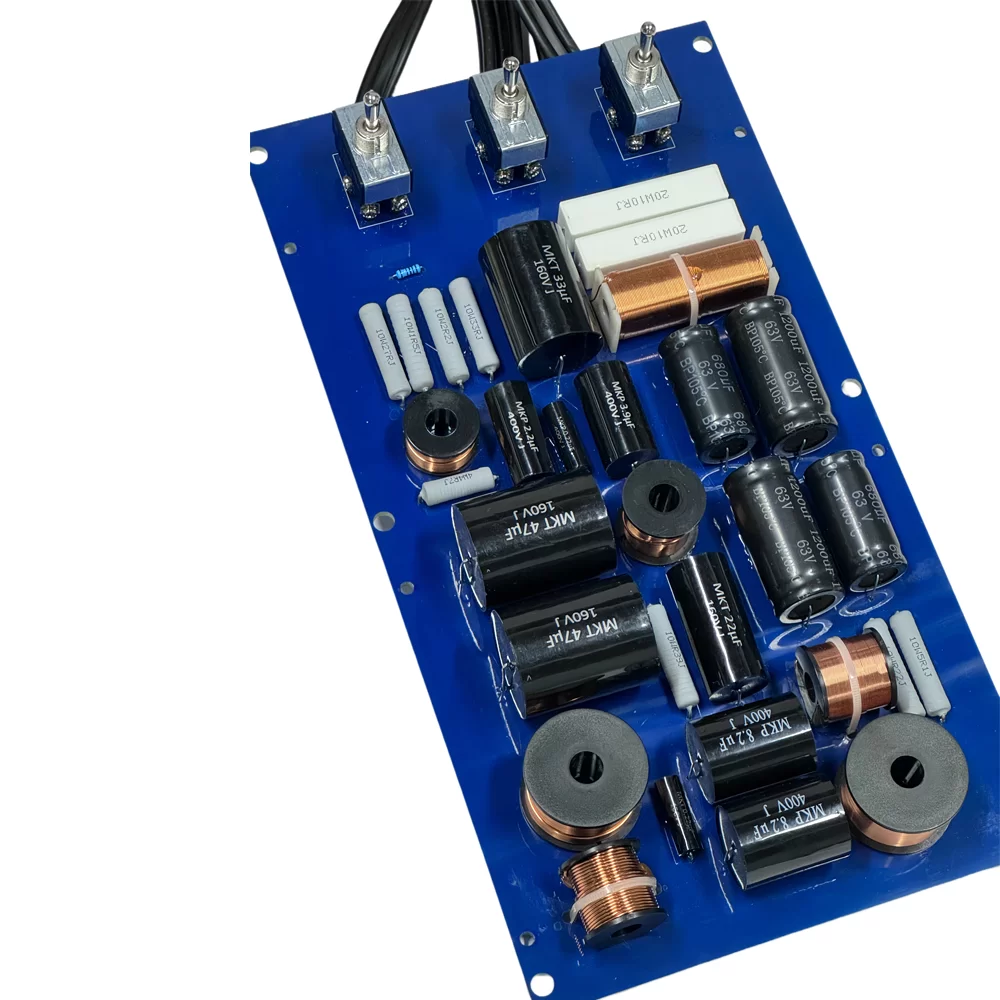
Currently, the industry is moving toward "Smart Manufacturing," where power density is the primary KPI. This has pushed the local market toward adopting advanced alloys and composite materials to reduce energy loss in industrial power grids.

Future Development Trends

High-Frequency Integration

The shift toward GaN and SiC semiconductors will require inductors capable of operating at MHz frequencies with minimal core loss.

Thermal Resilience Engineering

Developing components with wider operating temperature ranges to combat Pakistan's peak summer heat, reducing the need for active cooling.

Automated Precision Winding

A transition from manual assembly to AI-driven precision winding to ensure consistency in inductance values across large batches.

Industry Outlook and Future Projections

Predicting the next 3-5 years of magnetic technology in the South Asian corridor.

Energy Efficiency Leap
Focusing on low-loss core materials to reduce waste in power conversion.
Miniaturization Trend
Adopting higher density winding techniques for compact PCB layouts.
EMI Compliance
Stricter adherence to international noise reduction standards for exports.
Local Supply Chain
Reducing dependency on overseas logistics via regional distribution hubs.

Industry Outlook

According to Google search trend logic, there is a rising interest in "energy-efficient power modules" and "industrial automation components" within Pakistan. This suggests a strong pivot toward sustainable manufacturing and a demand for inductors that can support high-efficiency power grids.

We anticipate that by 2028, the integration of magnetic components into multi-layer PCB substrates will become the standard for high-end industrial electronics in the region, driven by the need for higher reliability in critical infrastructure.

Localized Application Scenarios in Pakistan

Real-world implementations of magnetic components in regional industries.

01. Solar Inverter Systems

With Pakistan's aggressive push toward solar energy, high-performance inductors are used in DC-AC inverters to stabilize voltage and reduce harmonics during power conversion.

02. Telecommunications Hubs

Utilizing specialized filtering components in cellular base stations across Karachi and Lahore to ensure signal integrity amidst electrical interference.

03. Automotive ECU Manufacturing

Integration of power inductors in the growing local automotive electronics sector to manage power distribution for modern engine control units.

04. Textile Industrial Automation

Application of magnetic components in the power supplies of automated looms and spinning machines to protect against voltage spikes.

05. Consumer Electronics Assembly

Standardized use of power inductors in the assembly of LED lighting and home appliances tailored for the local electricity grid's characteristics.

Brand Story

Global Development History of Huizhou Xinchangda Electronics Co., Ltd.

Foundation and Vision

Established with a mission to solve the core pain points of power instability and EMI in industrial electronics through precision magnetic engineering.

Technical Breakthroughs

Developed proprietary winding techniques that significantly reduced DC resistance, setting a new benchmark for efficiency in power inductors.

Global Market Expansion

Expanded our footprint into the South Asian market, adapting our product lines to meet the specific environmental rigors of regions like Pakistan.

Quality Certification

Achieved international ISO and environmental certifications, ensuring that every component meets stringent global safety and performance standards.

Future Commitment

Dedicated to pioneering the next generation of green magnetic components to support the global transition toward sustainable energy.

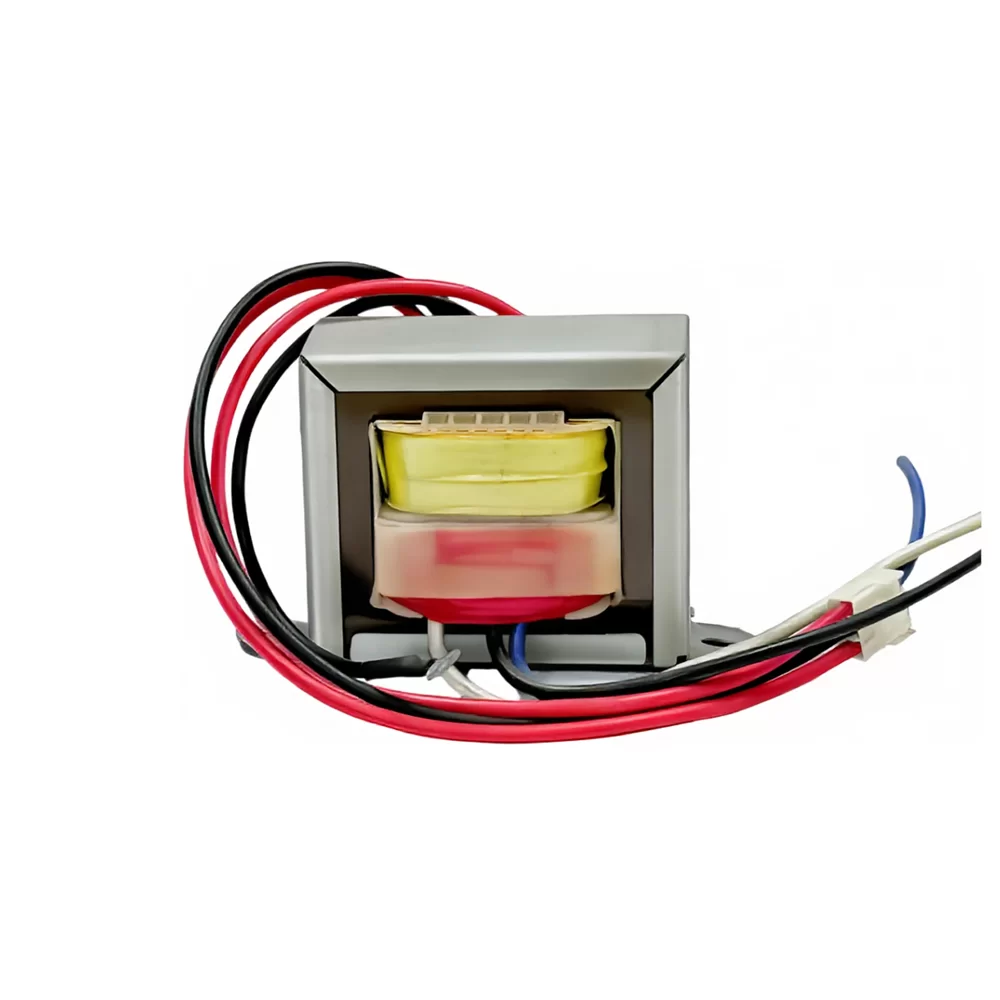
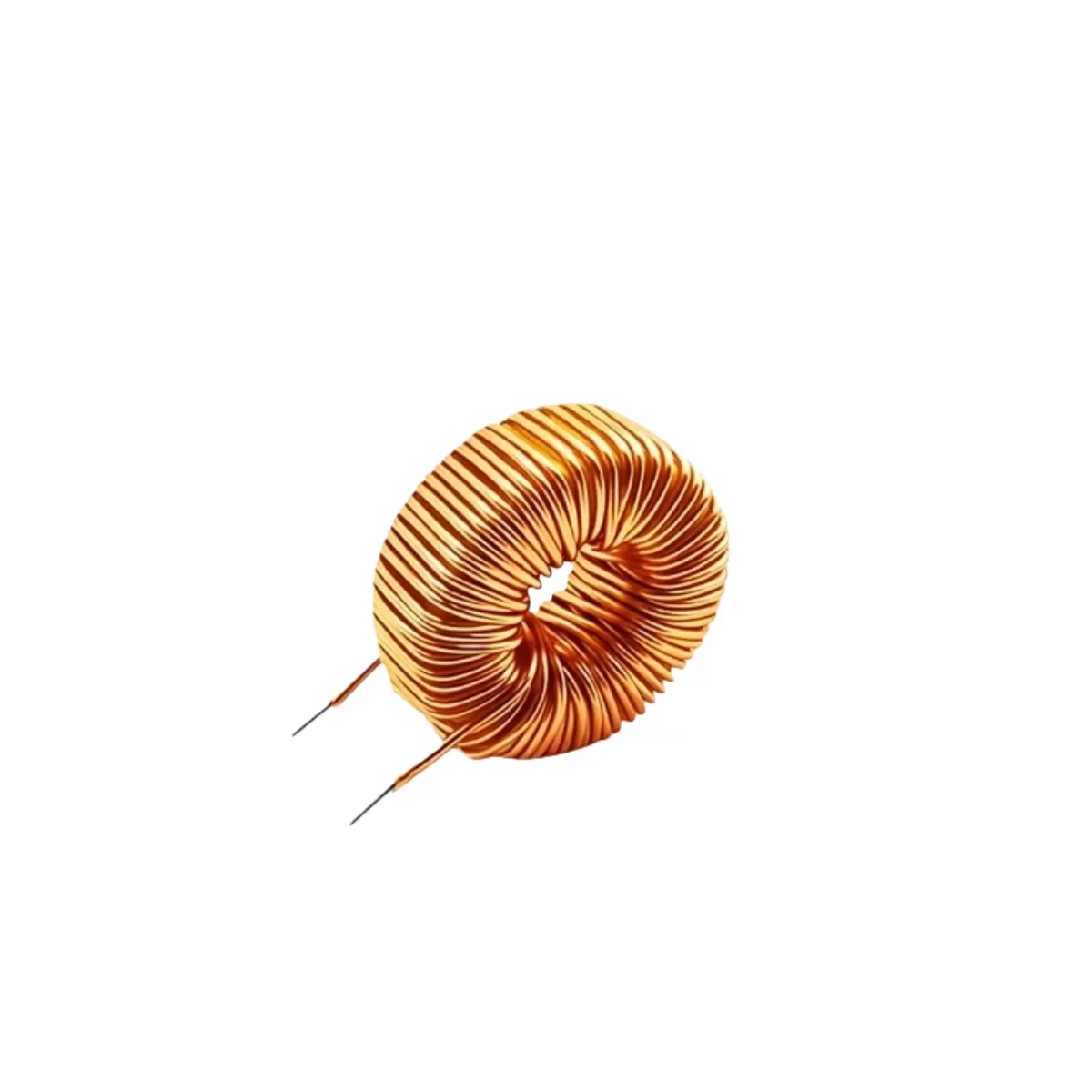
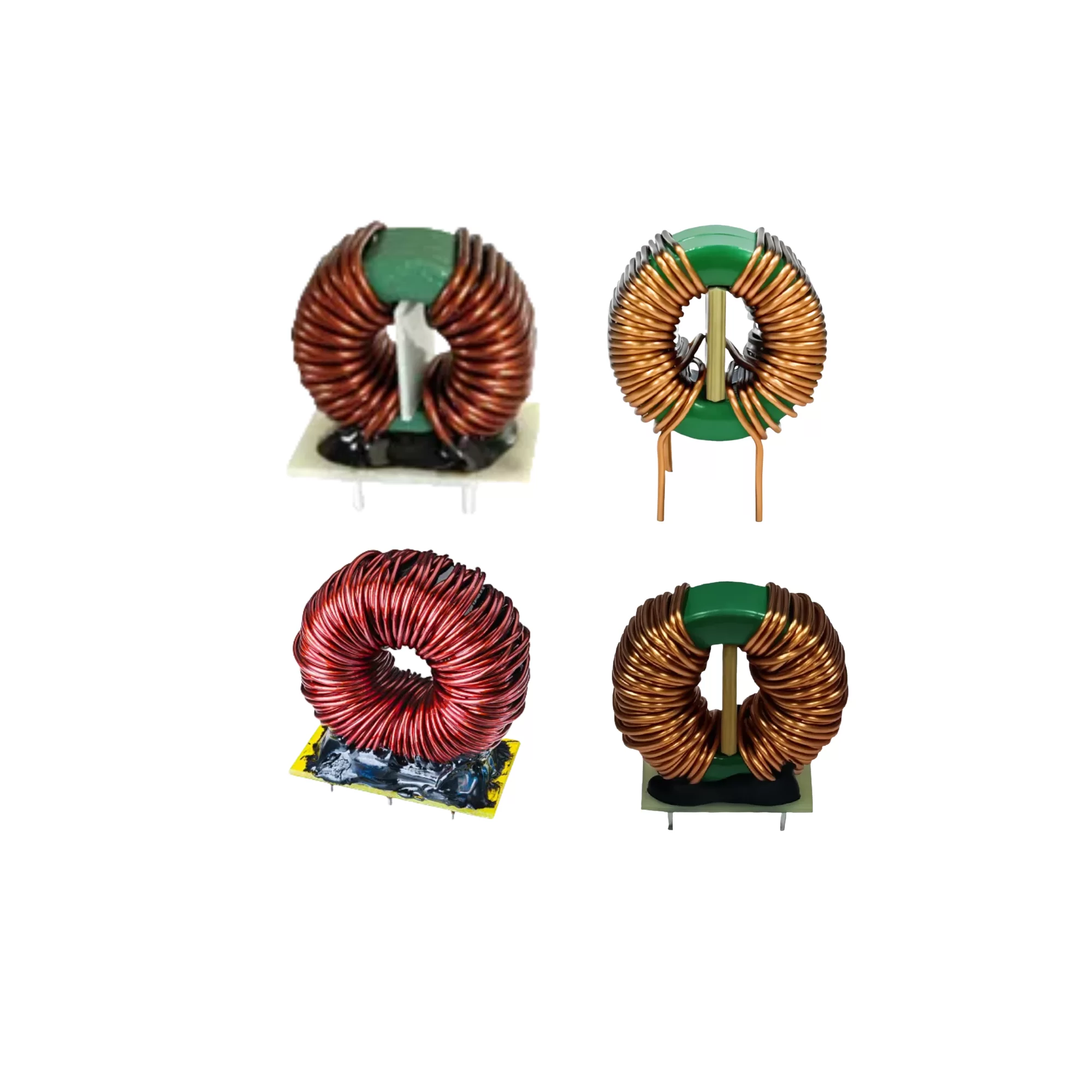
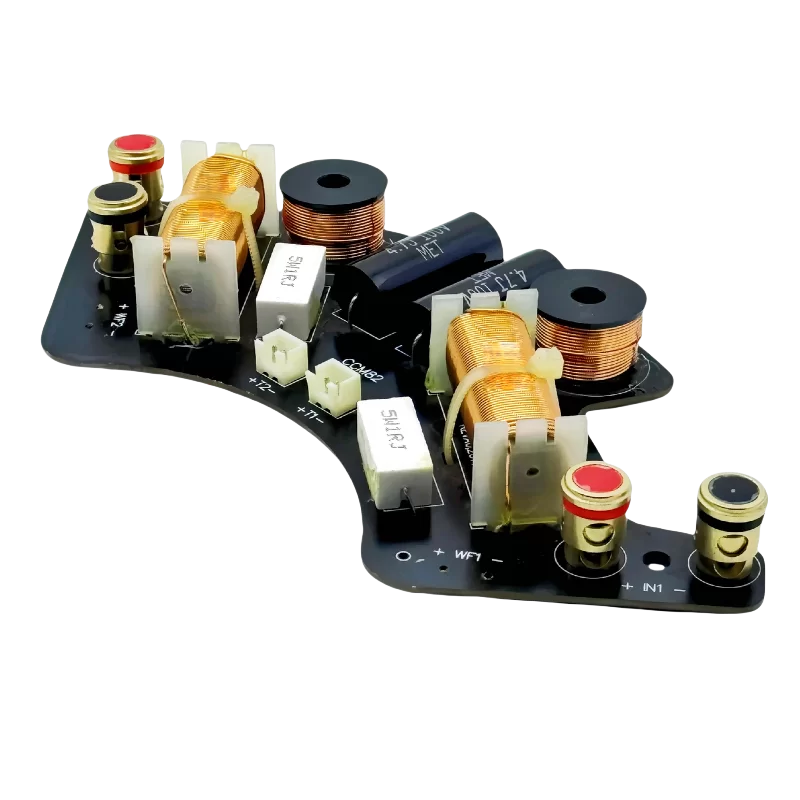
Complete Magnetic Product Portfolio for Pakistan

A comprehensive range of inductors and transformers designed for industrial resilience.

Frequently Asked Questions in Pakistan

Expert answers to common technical challenges in the regional electronics industry.

How to choose the right coupled inductor model for high-temp environments?

Focus on the core material's Curie temperature and the insulation class of the winding wire. For Pakistan's climate, we recommend Class H or higher insulation to prevent degradation during summer peaks.

Can a bead inductor effectively reduce EMI in industrial power supplies?

Yes, bead inductors are highly effective at suppressing high-frequency noise. They act as a low-pass filter, preventing electromagnetic interference from affecting adjacent sensitive components.

What are the advantages of using a metal power inductor over ferrite?

Metal power inductors generally offer higher saturation currents and better DC resistance characteristics, making them ideal for high-load power conversion in industrial automation.

When should I prefer a drum inductor for my PCB design?

Drum inductors are preferred when you need a cost-effective solution for general-purpose filtering and energy storage with a reliable, easy-to-mount physical structure.

How does a coupled inductor buck converter improve efficiency?

By coupling multiple phases, it reduces the ripple current and allows for smaller inductor sizes while maintaining high stability and efficiency in voltage step-down applications.

What is the typical lead time for custom inductor orders in Pakistan?

Lead times vary based on customization levels, but we optimize our logistics chain to ensure rapid delivery through strategic regional shipping partners.

Get Expert Magnetic Solutions Today

Our engineering team is ready to help you optimize your electronic designs for the Pakistan market.

Contact Us Now

If you are interested in our products, you can choose to leave your information here, and we will be in touch with you shortly.