Advanced metal power inductor Solutions for Ecuador’s Industrial Electronics

Advanced metal power inductor Solutions for Ecuador's Industrial Electronics

High-performance magnetic components engineered for reliability in the diverse climatic conditions of South America, optimizing power efficiency for the next generation of electronic devices.

Advanced metal power inductor Solutions for Ecuador's Industrial Electronics

Providing precision-engineered inductance components designed to meet the rigorous demands of Ecuador's expanding computing and communication infrastructure, ensuring stable power conversion and noise suppression.

Electronic Component Landscape in Ecuador

Analyzing the integration of high-frequency magnetic components within the Andean region's industrial framework.

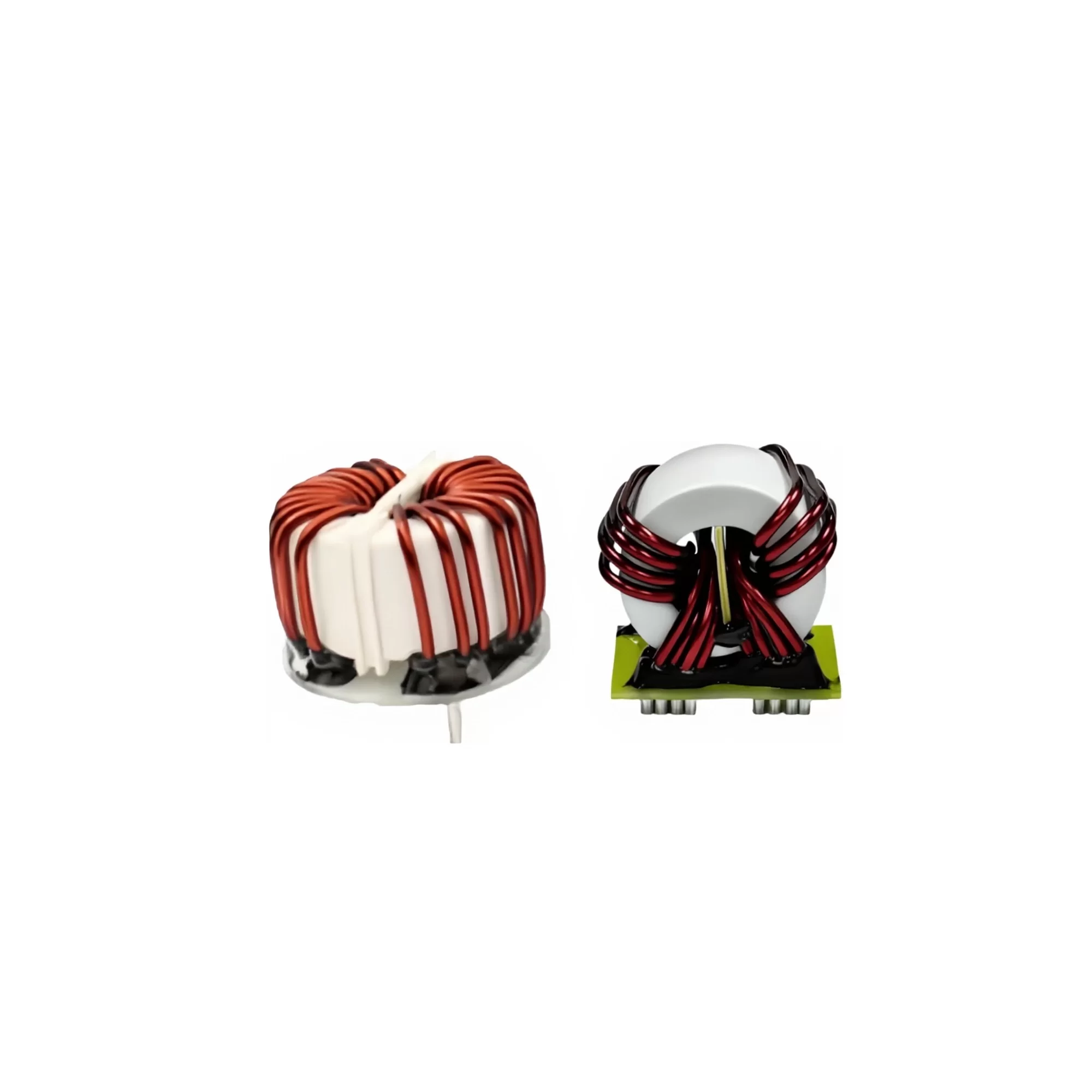
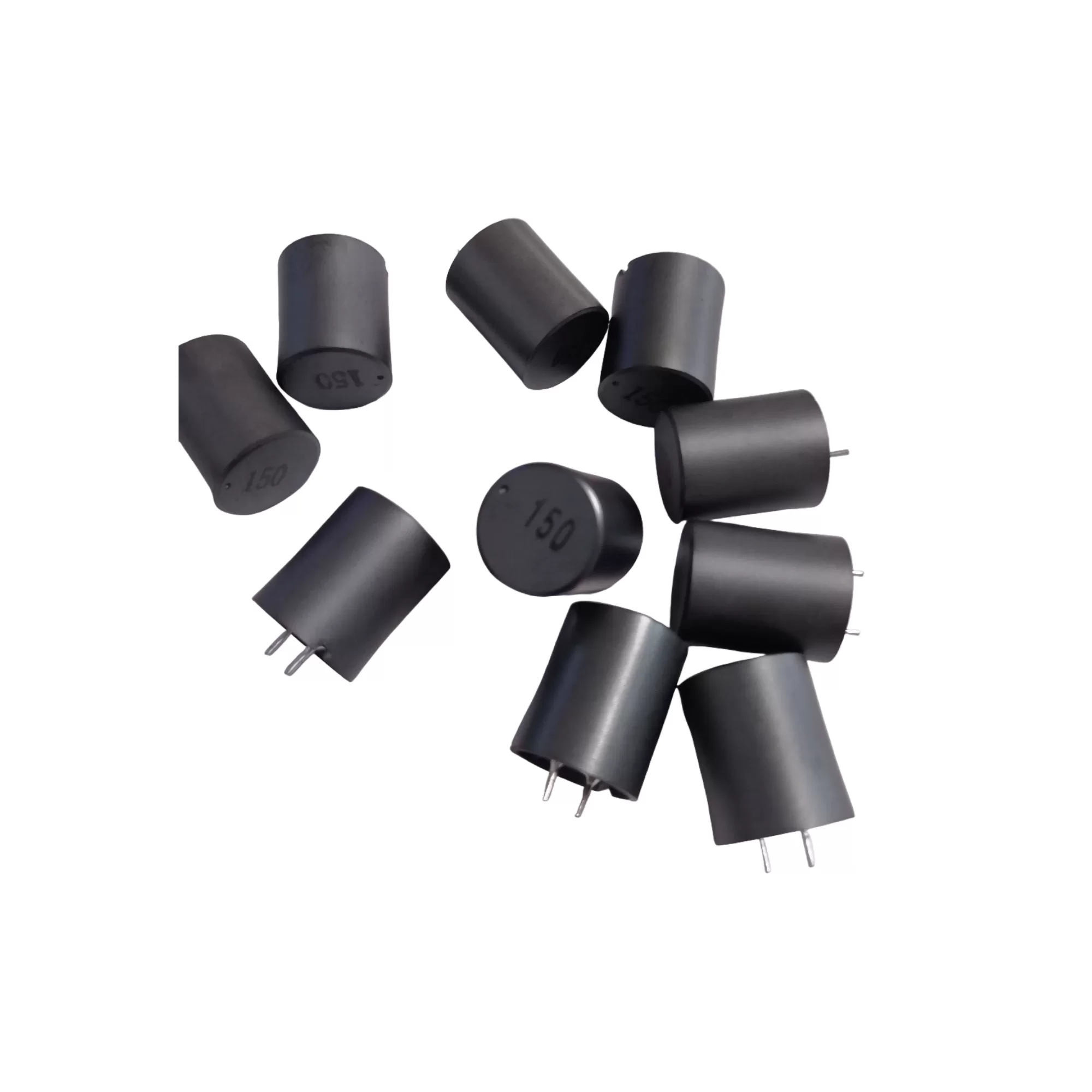
Ecuador's electronics manufacturing sector faces unique challenges due to its varied geography, ranging from coastal humidity in Guayaquil to high-altitude conditions in Quito. This requires the use of a robust drum inductor that can withstand thermal expansion and moisture-induced corrosion without compromising the magnetic flux density.

The local market is currently seeing a shift toward energy-efficient power supplies in the telecommunications sector. The demand for a specialized bead inductor has increased significantly to filter high-frequency noise in networks deployed across the rugged terrain of the Andes, where signal integrity is often compromised by atmospheric interference.

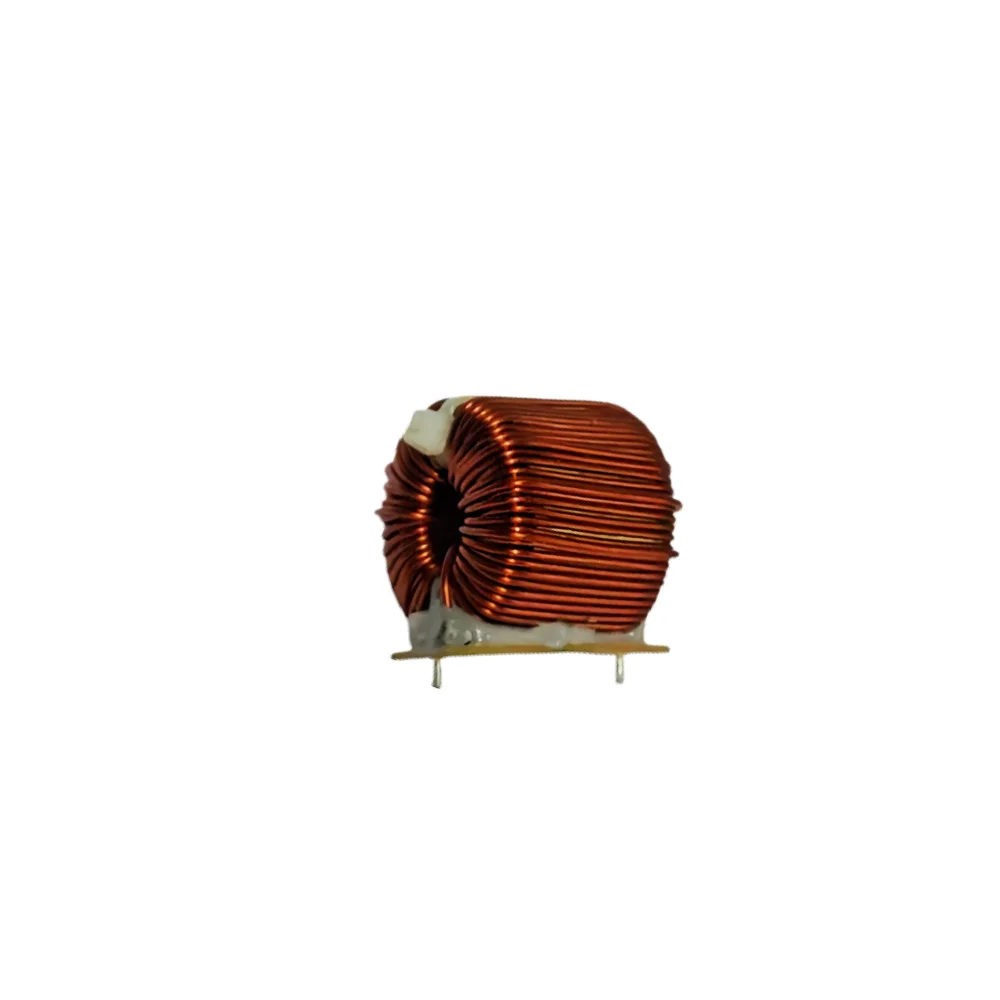
Furthermore, as Ecuador promotes the digitalization of its agricultural and oil sectors, the need for stable DC-DC conversion has led to the adoption of the coupled inductor buck topology, which allows for more compact power modules while maintaining high efficiency in remote industrial installations.
Technical Evolution of Inductor Design

From basic ferrite cores to advanced coupled magnetic architectures.

Market Development History

In the early 2000s, the Ecuadorian electronic market relied heavily on generic, large-form-factor inductors. The focus was primarily on basic durability rather than efficiency, utilizing standard air-core or basic ferrite designs for simple power filtering.

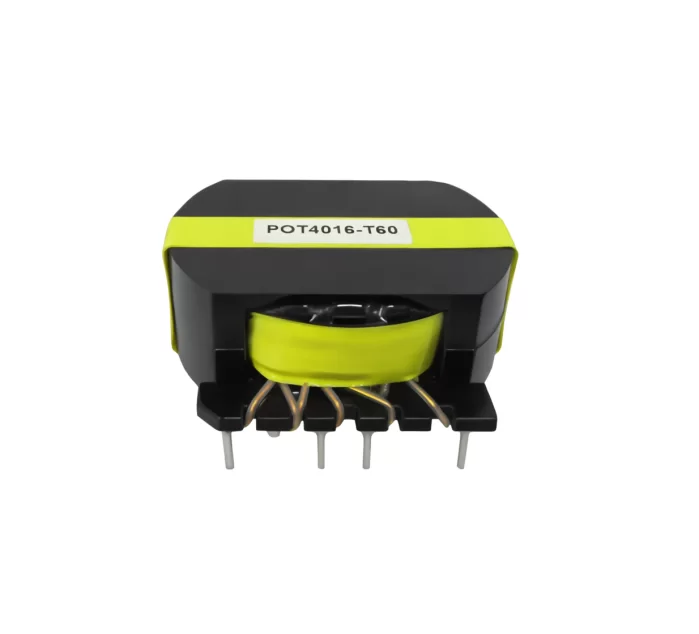
Between 2010 and 2020, the transition toward SMD (Surface Mount Device) technology began. This era saw the introduction of the coupled inductor model in high-end server equipment and networking hubs in Quito, enabling smaller footprints and better ripple current management.

From 2021 to the present, the industry has entered the "High-Density Power" phase. Engineers are now prioritizing saturation current limits and low DCR (Direct Current Resistance), integrating precision-wound components to support the rapid adoption of 5G and IoT devices across South America.

Future Development Trends

Miniaturization through Material Science

Future designs will focus on nanocomposite materials to increase energy density, allowing components to maintain high inductance in significantly smaller volumes.

Enhanced Thermal Management

Given the tropical climates of coastal Ecuador, the trend is moving toward advanced potting and encapsulation techniques to prevent oxidation and overheating.

Integration of Intelligent Magnetics

We anticipate a rise in "smart inductors" with integrated sensing capabilities to monitor real-time saturation levels in industrial power grids.

Industry Trends and Future Outlook

Strategic foresight into the magnetic component trajectory for the Latin American market.

High-Frequency Optimization
Shifting towards MHz-range switching frequencies to reduce the size of passive components in communication hardware.
Eco-Friendly Materials
Implementation of halogen-free and RoHS-compliant ferrite materials to meet evolving environmental regulations in Ecuador.
Automotive Integration
Expanding inductor applications into the growing EV charging infrastructure within major Ecuadorian cities.
Power Density Scaling
Developing multi-phase coupled inductors to support high-current processors in industrial automation.

Industry Outlook

Based on current search trends and regional economic data, the demand for high-efficiency power components in Ecuador is expected to grow at a CAGR of 6.5% over the next 3-5 years. This is driven by the national push for "Smart City" initiatives and the modernization of telecommunication backbones.

The market will transition from importing generic finished goods to seeking customized magnetic solutions. We foresee a surge in the adoption of GaN (Gallium Nitride) technology, which will necessitate a new generation of high-frequency inductors with extremely low parasitic capacitance.

Localized Applications in Ecuador

Real-world implementation of advanced magnetic components across Ecuadorian sectors.

1. Telecommunication Hubs in Quito

Using a high-performance bead inductor for EMI suppression in network routers to ensure stable connectivity across the high-altitude Andean plateau.

2. Oil & Gas Monitoring Systems

Deployment of ruggedized drum inductor units in sensor arrays located in the Amazon basin, designed to withstand extreme humidity and temperature fluctuations.

3. Smart Grid Power Converters

Implementation of the coupled inductor buck converter in solar energy inverters for rural electrification projects in the coastal regions.

4. Industrial Automation in Guayaquil

Integrating a precision metal power inductor into robotic control systems for the export-oriented manufacturing plants at the port.

5. High-End Computing Infrastructure

Utilizing a specific coupled inductor model for multi-phase VRM (Voltage Regulator Modules) in data centers supporting Ecuador's growing fintech sector.

Brand Story

Global Development Journey of Huizhou Xinchangda Electronics Co., Ltd.

Founding and Technical Roots

Established with a vision to solve the core problem of power instability in electronic components, focusing on precision winding and magnetic core research.

Innovation in Power Inductance

Developed proprietary manufacturing processes for high-current inductors, reducing DCR and improving saturation characteristics for industrial users.

Global Quality Certification

Achieved international standards for reliability and environmental compliance, enabling expansion into the rigorous South American and European markets.

Strategic Market Expansion

Built a robust supply chain network to provide customized magnetic solutions for specific regional challenges, such as Ecuador's humid tropical environments.

Vision for Sustainable Power

Leading the transition towards green electronics by developing ultra-efficient coupled inductors that minimize energy waste in global power grids.

Comprehensive Magnetic Product Portfolio for Ecuador

A full range of electronic components engineered for the South American computing and communication sectors.

Ecuador Regional Technical FAQ

Addressing common engineering queries regarding inductor selection and implementation in local environments.

How to choose the right coupled inductor model for high-altitude Quito installations?

For high-altitude areas like Quito, where air density is lower, thermal dissipation is reduced. We recommend a model with lower DCR and enhanced thermal conductivity to prevent overheating during operation.

Can a bead inductor effectively reduce EMI in coastal Guayaquil's humid environments?

Yes, our bead inductors are available with specialized moisture-resistant coatings that maintain high impedance and effective noise filtering even in high-humidity coastal conditions.

What are the advantages of using a metal power inductor over ferrite for industrial use in Ecuador?

Metal power inductors offer a "soft saturation" characteristic, which provides better stability against current spikes and higher power density, making them ideal for Ecuador's heavy industrial machinery.

Is the drum inductor suitable for automotive electronics in South American terrain?

Absolutely. The structural integrity of the drum inductor makes it highly resistant to mechanical vibration and shock, which is critical for vehicles navigating the varied terrains of Ecuador.

How does a coupled inductor buck topology improve efficiency in solar systems?

By utilizing magnetic coupling, the buck converter can reduce the ripple current and lower the number of required components, significantly increasing the overall energy conversion efficiency of solar arrays.

What certifications should I look for when importing inductors to Ecuador?

Ensure your components are RoHS and REACH compliant. We provide full material declarations to ensure seamless customs clearance and adherence to Ecuadorian environmental laws.

Expert Magnetic Consultation

Looking for precision electronic components for your project in Ecuador? Our engineers are ready to help you optimize your power design.

Contact Us Now

If you are interested in our products, you can choose to leave your information here, and we will be in touch with you shortly.