After spending well over a decade immersed in the industrial equipment sector—specifically in the realm of audio systems—I’ve come to appreciate just how critical the humble crossover is, especially when we’re talking about small speakers. Oddly enough, people often overlook these little circuits, focusing on drivers or enclosures. But frankly, the crossover dictates how well those drivers actually perform together. It’s like an invisible conductor ensuring each element plays its part at exactly the right time and frequency.
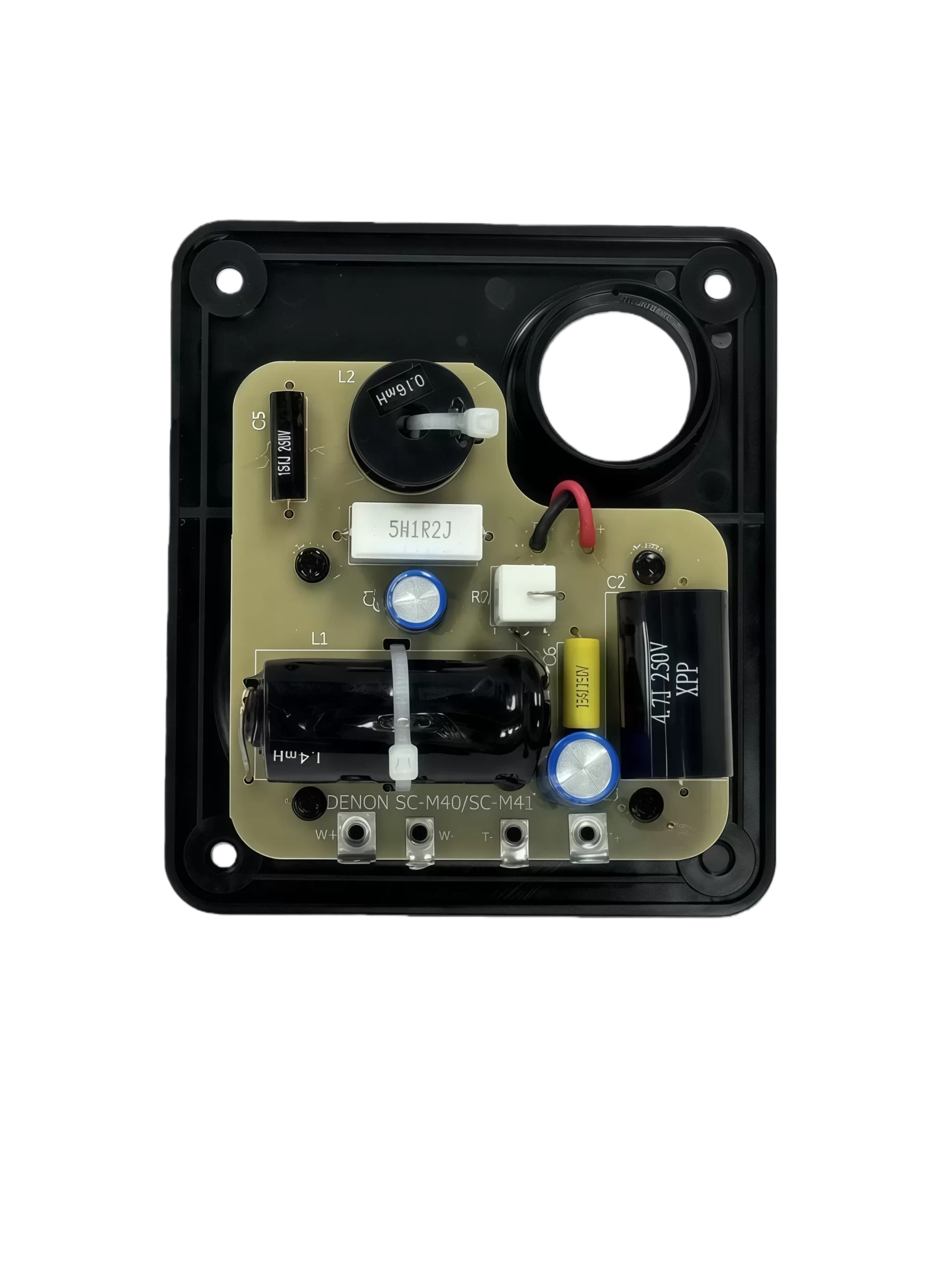
In real terms, a crossover filters signal frequencies, dividing them between tweeters, woofers, and midrange drivers. For small speakers, it’s even more sensitive territory because there’s less space for error — and less room physically for large components. Many engineers say that functional design here means starting with the right materials and circuit layout, but it also means understanding your speaker’s usage environment.
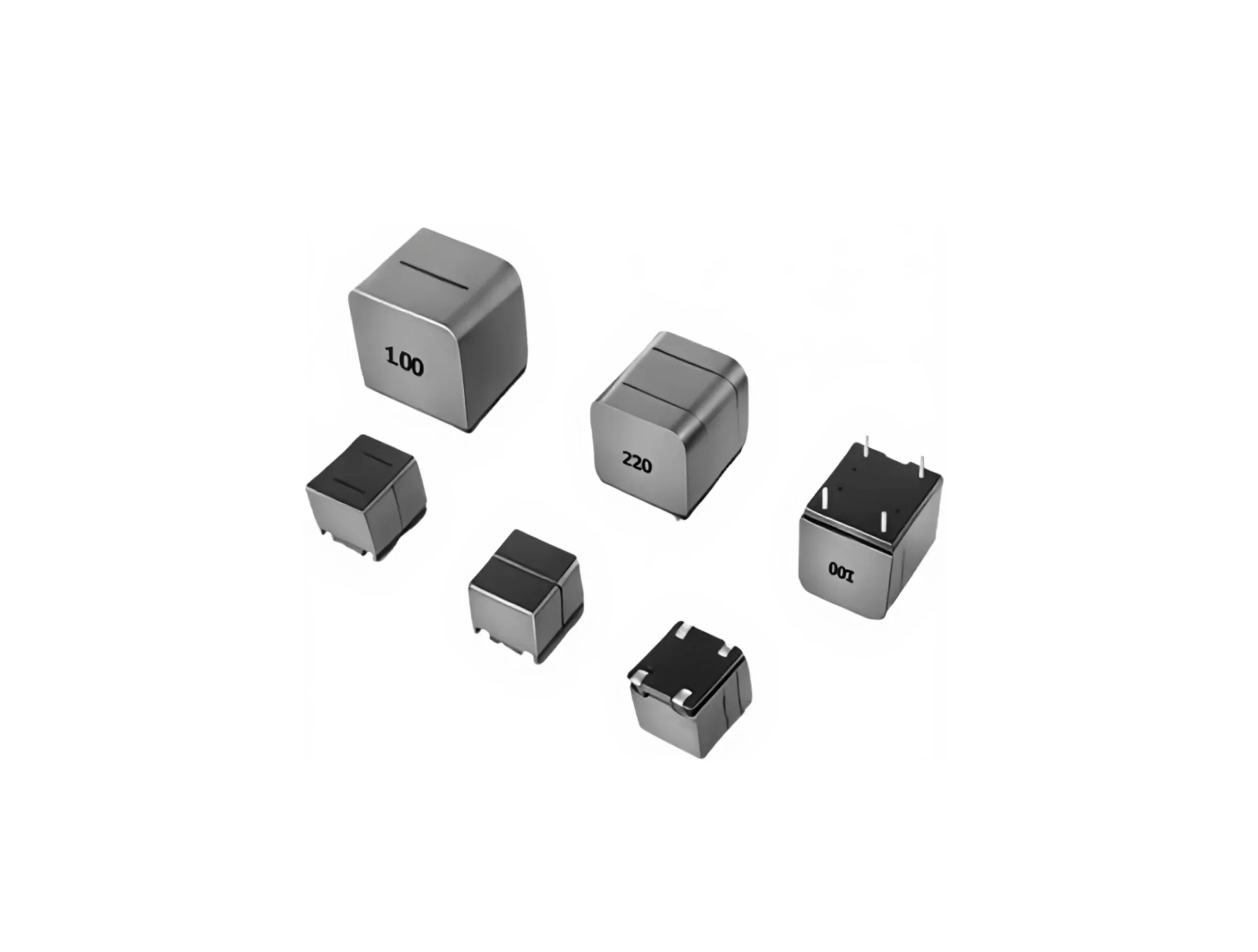
One thing I learned the hard way is that crossover components like coils and capacitors aren’t just about specs on paper. I once recommended a standard, off-the-shelf crossover for a compact industrial monitor speaker, expecting “plug and play.” But the sound was harsh, the drivers disconnected. After some digging, we realized the inductor’s core material was causing saturation under prolonged use. Swapping to a high-quality core (think air core or specialty ferrite) made all the difference — smoother response, much happier client.
Small Speaker Crossover Product Specs
| Specification |
Details |
| Type |
2-way or 3-way passive crossover |
| Frequency Range |
100 Hz – 20 kHz (typical) |
| Crossover Slope |
12 dB/octave or 24 dB/octave |
| Components |
Air core inductors, polypropylene capacitors |
| Power Handling |
Up to 50 Watts RMS |
| Dimensions |
Approx. 80 x 45 x 25 mm |
It’s interesting that, while many folks view crossovers as pretty standard, there’s a surprising bit of wiggle room when it comes to vendor choice. Not just in component quality — which can matter a lot — but also in customization options and testing rigor. I’ve trusted some vendors for years and had others prove their worth later in the game. So for anyone seriously invested in small speaker design, it pays to compare.
Vendor Comparison: Small Speaker Crossover Suppliers
| Vendor |
Component Quality |
Customization |
Testing & QA |
Lead Time |
| XCD Magnetic |
Premium inductors, polypropylene caps |
Full circuit tailoring available |
Rigorous multi-stage testing |
2-3 weeks |
| Generic Electronics |
Basic components, generic specs |
Limited or no customization |
Basic functionality testing |
1-2 weeks |
| ProTone Supplies |
Mid-range components |
Some component substitution |
Enhanced QA and burn-in tests |
3-4 weeks |
I have to mention a little story from a client’s project last year. They were building compact outdoor speakers, and after a few prototypes, they struggled with audio clarity at higher volume. Swapping in a tailored crossover from XCD Magnetic made all the difference—not just in clarity but also in driver longevity. Those air core inductors really do reduce distortion under stress, it seems.
Customizing crossovers might seem like a niche request, but it’s a smart move for anyone serious about small speaker performance. The better the crossover, the more you protect the drivers and the richer the sound. And in small form factors, you can’t afford to cut corners.
So, whether you’re in the prototyping phase or running a full production line, I’d say don’t underestimate the value of a quality crossover for small speakers. It’s often the difference between a good speaker and a great speaker — a subtle craft backed by years of experience and testing.
Takeaway? When you’re specifying components for small speaker systems, remember: the crossover is the unsung hero you want on your side.
References
- Industry insights from various small speaker manufacturers, 2023.
- Component datasheets and electromagnetic studies from leading supplier XCD Magnetic.
- Personal consulting experience in professional audio equipment design, 2010–2023.