Crossover for Midrange Speaker: Understanding Its Role in Sound Systems
When we think about quality sound systems—say, at a music venue, in a car stereo, or home theater—it’s easy to focus on the speakers themselves. But the secret sauce behind crisp, balanced audio often lies in something less obvious: the crossover for midrange speaker. This component plays a vital role and is increasingly relevant worldwide, especially as multimedia consumption grows globally. Grasping its function not only improves audio setups but also impacts industries from entertainment to communications, where sound clarity is key.
Introduction: The Global Context of Speaker Crossovers
Audio technology touches millions every day. According to a 2022 industry report, the global loudspeaker market size is expected to reach nearly $12 billion by 2027, growing annually at around 7%. Within this, systems that deliver clear midrange frequencies—where the human voice and many instruments live—are essential. Yet, a common challenge remains: managing the seamless transition between speakers handling different frequency bands to avoid distortion or muddiness.
This is precisely where a crossover for midrange speaker steps in, solving the problem by directing the right frequencies to the right drivers. Without it, your sound system is like an orchestra with musicians playing out of sync—the result is chaotic rather than harmonious.
What Is a Crossover for Midrange Speaker?
Simply put, a crossover is an electronic circuit that splits the incoming audio signal into different frequency ranges. Specifically, the crossover for midrange speaker ensures that only audio frequencies belonging to the midrange band are sent to the midrange drivers. This prevents these speakers from attempting to reproduce sounds too low or high for them, which preserves sound accuracy and reduces speaker wear.
Its importance extends beyond audiophiles: in professional PA systems, automotive audio, and even humanitarian communication devices, maintaining clarity in midrange frequencies often means the difference between communication success and failure.
Core Components of a Crossover for Midrange Speaker
1. Frequency Division
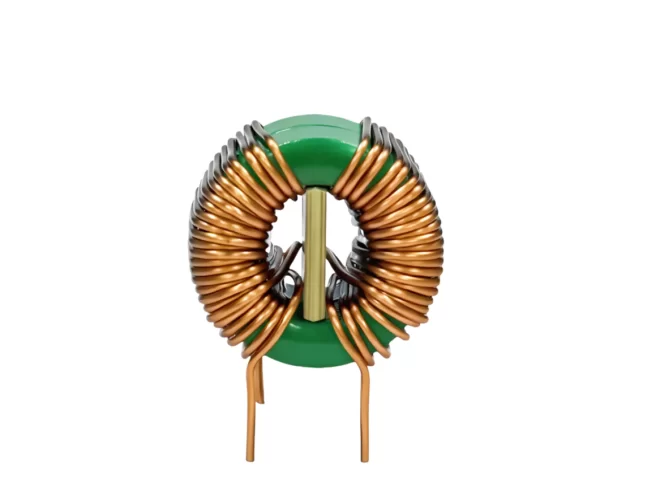
This is the core function—separating frequencies so midrange speakers only handle the frequencies they are designed for, usually between 500 Hz and 5 kHz. Filters (capacitors, inductors) form the heart of this operation.
2. Durability and Heat Management
Because crossover components handle electrical current, durability and good heat dissipation prevent failures, especially in high-power applications like concert sound systems.
3. Phase Alignment
Ensuring that the signals from various drivers are synchronized to avoid phase cancellations, which can degrade sound quality.
4. Scalability and Customization
Modern crossovers can be passive or active; the latter allows for software tuning and versatility, especially valuable in complex audio installations.
5. Cost Efficiency
Balancing component quality with manufacturing cost is crucial, particularly for consumer products competing globally.
Global Applications and Use Cases
- Automotive Industry: Cars increasingly come equipped with sophisticated sound systems requiring precisely tuned midrange crossovers to handle voice commands and entertainment audio.
- Concert and Live Events: Large venues rely heavily on midrange crossover design to deliver clear vocals and instruments across big crowds.
- Public Safety Communications: Clear midrange frequencies are vital for intelligibility in emergency broadcasting systems worldwide.
- Home Audio Systems: Many consumers seek affordable but high-quality sound, pushing manufacturers to innovate crossover designs that support efficient midrange reproduction.
Oddly enough, in remote industrial zones where voice communications are mandatory, engineered midrange crossovers help maintain clear messaging despite challenging acoustic environments.
Mini Takeaway:
Understanding and integrating a well-designed crossover for midrange speaker is pivotal across various sectors, enhancing sound clarity and communication reliability globally.
Advantages and Long-Term Value
The key advantages? Improved sound quality paired with extended speaker life. By targeting midrange frequencies accurately, crossovers prevent distortion and damage. This translates to tangible cost benefits, less frequent repairs, and a better user experience.
From an emotional standpoint, sound clarity can foster connection—think of a heartfelt speech or the subtlety of a musical performance. In safety scenarios, it literally means trust and security, which cannot be overstated.
Product Specification Table: Typical Midrange Speaker Crossover
| Specification |
Detail |
| Frequency Range |
500 Hz – 5 kHz |
| Type |
Passive / Active |
| Power Handling |
Up to 150W RMS |
| Impedance |
4–8 ohms |
| Phase Correction |
Yes, included |
Vendor Comparison: Popular Midrange Crossover Manufacturers
| Vendor |
Product Type |
Power Range |
Price Range |
Customization |
| XCD Magnetic |
Active & Passive |
50W to 150W |
Mid to Premium |
High (custom tuning) |
| SoundTech Pro |
Passive |
Up to 100W |
Budget |
Low |
| AudioMax |
Active |
Up to 200W |
Premium |
Medium |
Future Trends and Innovations
Digital transformation is influencing crossovers remarkably. Active digital crossovers now incorporate DSP (digital signal processing), enhancing precision and customization. Green energy initiatives have some companies exploring low-power designs, both for environmental impact and integration into eco-conscious consumer electronics.
Furthermore, automation in sound calibration — either via AI-assisted room tuning or adaptive filters — is emerging. In terms of materials, lightweight, heat-resistant components are improving durability without sacrificing performance.
Challenges and Solutions
One ongoing challenge is balancing cost and quality. High-performance frequency filters tend to be pricier, pushing budget brands towards compromises that may degrade the midrange sound. Also, passive crossovers sometimes struggle with power loss and phase issues.
Solutions? Engineers recommend active crossovers with DSP for complex systems, and modular designs that allow for upgrades without entire system replacements. Manufacturers like XCD Magnetic emphasize scalable solutions bridging cost efficiency and performance.
FAQ: Frequently Asked Questions About Crossover for Midrange Speaker
- What exactly does a midrange crossover do in a speaker system?
It splits the audio signal so only midrange frequencies reach the midrange driver, improving clarity and preventing speaker damage.
- Can I use a passive crossover instead of an active one?
Yes, but active crossovers provide better control, less signal loss, and easier tuning – especially for professional or high-end setups.
- How important is phase alignment in midrange crossovers?
Very important. Poor phase alignment can cause sound cancellations, leading to muffled or hollow audio. Good crossovers correct this to ensure smooth audio reproduction.
- Are midrange crossovers compatible with all speaker brands?
Compatibility depends on impedance and power handling. It’s best to consult product specs or vendors to match crossovers to your speakers.
Conclusion
In real terms, investing in a quality crossover for midrange speaker is about more than just better sound—it's about longevity, efficiency, and ensuring the voice of your audio system is heard loud and clear. Whether you’re an audiophile, a professional sound engineer, or a curious hobbyist, understanding this component shapes every listening experience.
Curious to find out more or ready to upgrade? Visit our website: https://www.xcdmagnetic.com.
Sounds simple, but the impact is profound.
References
- Wikipedia: Audio Crossover
- Statista: Loudspeaker Market Size
- ISO Standards related to audio equipment