Crossover for Bass Speakers: What It Is and Why It Matters
The term crossover for bass speakers might sound specialized, but it plays a vital role in many audio setups worldwide. Simply put, a crossover is an electronic circuit designed to direct specific audio frequencies to the right speakers—in this case, the low frequencies to bass speakers. Understanding these crossovers is key to achieving rich, clear sound, whether you’re a musician, sound engineer, or just someone who values quality audio in your home or professional environment.
Introduction: Why Crossovers Matter Globally
Audio technology connects cultures and artists everywhere, and bass speakers are powerful in transmitting the deep sounds that make music and soundtracks immersive. According to a 2023 report by ISO on consumer electronics standards, nearly 70% of audio device manufacturers worldwide rely on advanced crossover designs to improve sound reproduction and efficiency. However, many face challenges with signal distortion or inefficient power use that crossover techniques help alleviate.
Globally, the demand for better sound clarity is rising in entertainment, public events, and even public safety announcements. Crossovers help solve problems like unwanted speaker wear and feedback, offering a precise division of frequencies that results in crisper bass without overpowering other audio ranges.
Definition & Meaning: Breaking It Down
A crossover for bass speakers is basically an audio filter system that splits an input audio signal into parts: low frequencies for the bass speaker, and mids or highs for other speakers. Without it, bass speakers might try to handle frequencies they weren’t designed for, causing distortion or damage.
In modern contexts, such crossovers integrate seamlessly with digital audio systems, vital for everything from big concerts to humanitarian efforts using portable sound systems in remote areas where clarity equals communication.
Key Components of a Crossover for Bass Speakers
1. Frequency Selection Network
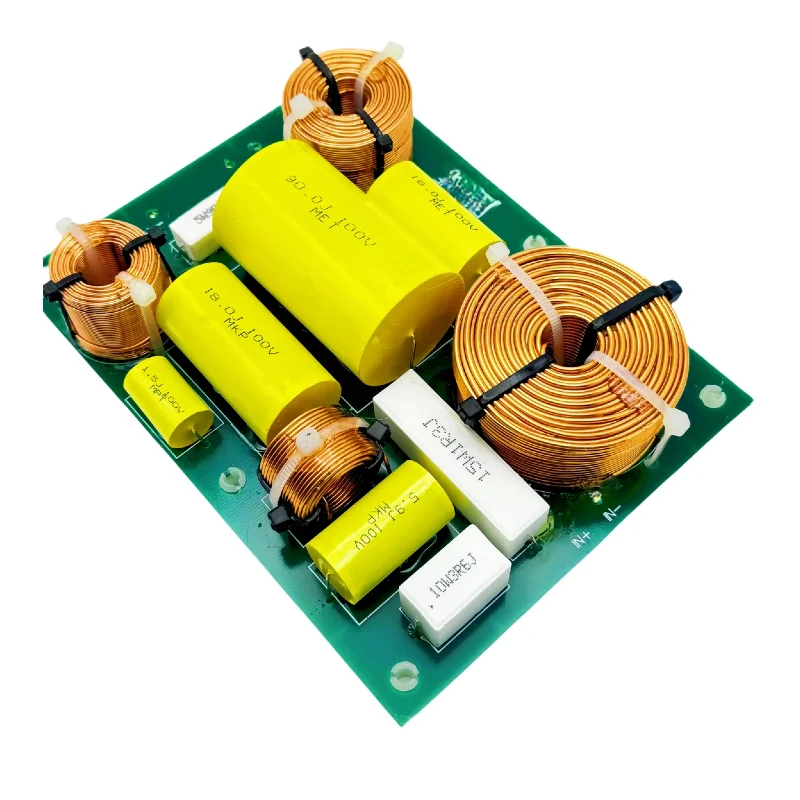
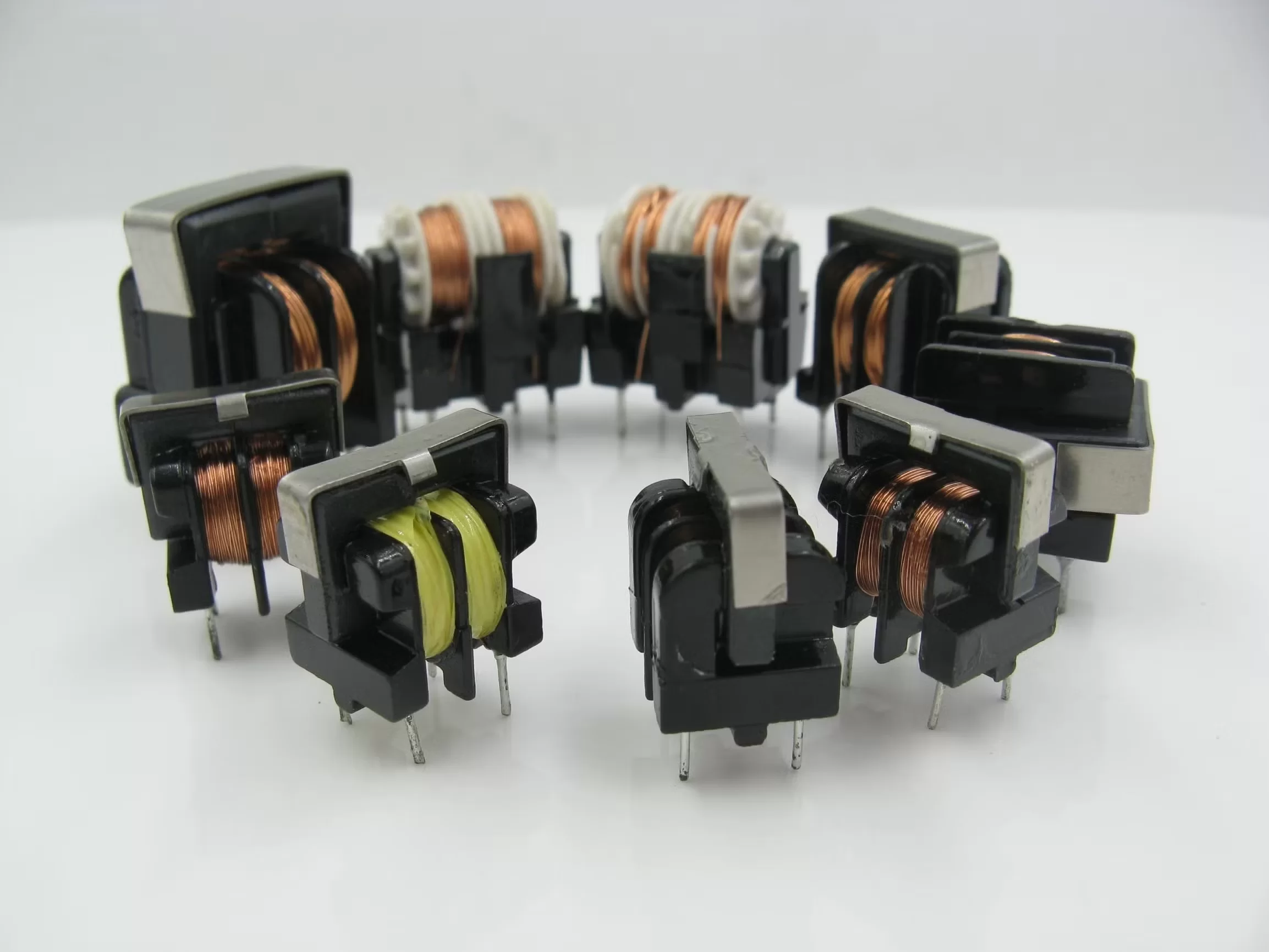
This is the heart of the crossover—filters that determine what range of frequencies reach the bass speakers. Designers use inductors and capacitors to set cutoff points where bass speakers take over.
2. Power Handling
Crossovers must handle sufficient wattage without overheating, especially in pro settings where volumes get loud. Engineers often specify power ratings well above expected use to ensure durability.
3. Phase and Impedance Matching
To keep sounds coherent, crossovers also align the phase and impedance between speakers, avoiding audio cancellation or muddiness—a subtle but vital factor for true bass fidelity.
4. Physical Design and Durability
From compact PCB modules to rugged enclosures, crossovers must withstand vibration, heat, and humidity, especially for touring or outdoor uses.
5. Customizability
Some crossover units allow adjustments to cutoff frequencies or slopes, letting audio professionals fine-tune for different spaces or music genres.
Mini takeaway: At its core, a crossover ensures bass speakers operate at their best, avoiding distortion and overload while enhancing overall sound quality.
Global Applications & Use Cases
In the US and Europe, high-fidelity concert venues invest heavily in sophisticated crossovers for bass speakers to guarantee flawless sound for audiences. Meanwhile, in Asia’s bustling electronic markets, cost-effective crossovers are integrated into affordable home theaters, making quality audio accessible.
There are also notable humanitarian applications. Broadcasters in remote African regions rely on portable sound systems with built-in crossovers to send clear health and safety messages in tribal languages, where sound fidelity directly affects comprehension and trust.
Oddly enough, crossover technology also surfaces in industrial settings—large machinery monitoring systems use directional audio cues amplified by bass speakers with crossovers to alert operators about malfunctions.
Advantages & Long-Term Value
- Cost Efficiency: Proper crossover use extends speaker life by reducing distortion and physical damage.
- Sustainability: Minimizing replacements and repairs benefits resources and reduces waste.
- Social Impact: Clear sound enhances communication in critical public uses.
- Reliability & Trust: Audiences and users trust systems that deliver consistent, crisp audio performance.
Frankly, a great crossover can turn a decent sound system into a memorable auditory experience—combining safety, dignity, and delight.
Future Trends & Innovations
With digital signal processing (DSP) advancing rapidly, many new crossover designs are software-driven, adjustable on the fly via apps. Green electronics focus on low-power components and recyclable materials, addressing environmental concerns.
Artificial intelligence may soon help optimize crossover settings automatically, adapting to room acoustics or event types. Also, 3D-printed inductors and capacitors could make bespoke crossovers more affordable and eco-friendly.
Challenges & Solutions
One persistent issue is component variability affecting crossover precision, especially in inexpensive models. Expert designers recommend thorough testing and quality components to reduce audio artifacts. Modular crossovers that allow easy swapping parts are gaining popularity too.
Moreover, integration with multi-speaker smart systems sometimes causes syncing issues resolved by emerging digital communication protocols.
Frequently Asked Questions About Crossover for Bass Speakers
-
Q: What’s the difference between passive and active crossovers for bass speakers?
A: Passive crossovers use passive components (inductors, capacitors) and do not require power, ideal for simple setups. Active crossovers operate electronically with power supply, offering more control and precision, best in professional audio systems.
-
Q: Can a crossover improve bass clarity in a home theater system?
A: Absolutely. Properly designed crossovers help bass speakers reproduce low frequencies cleanly, avoiding muddiness and distortion common in poorly configured systems.
-
Q: How do crossovers affect speaker lifespan?
A: By preventing speakers from handling frequencies they’re not built for, crossovers reduce stress on driver components, effectively prolonging lifespan.
-
Q: Are digital crossovers better than analog ones?
A: Digital crossovers offer greater flexibility, can be tuned remotely, and integrate well with modern sound systems. Analog crossovers are simpler, sometimes preferred for vintage or minimalist setups.
Product Specification Table: Example Passive Crossover Unit
| Specification |
Value |
| Type |
2-way Passive Crossover |
| Crossover Frequency |
120 Hz |
| Power Handling |
100 Watts RMS |
| Slope |
12 dB/octave |
| Dimensions |
120 x 75 x 40 mm |
Vendor Comparison Table
| Vendor |
Product Range |
Price Range |
Customization |
| AudioTech |
Passive & Active |
$50 - $400 |
Adjustable frequency |
| BassPro Systems |
Primarily Active |
$120 - $600 |
Full DSP control |
| SoundWave |
Passive Only |
$30 - $150 |
Fixed settings |
Conclusion & Call to Action
In the meantime, mastering the role of crossover for bass speakers ensures you get the full depth and clarity audio promises. Crossovers protect your equipment and elevate the listening experience, whether in intimate rooms or massive stadiums. For those curious to dive deeper or source quality units, don’t hesitate to visit crossover for bass speakers to find expert solutions tailored to your needs.
Final thought: The art and science of crossover design weave together the invisible threads of sound, making the bass resonate beautifully across the globe.
References
- Loudspeaker crossover - Wikipedia
- ISO/IEC standards for audio devices
- World Bank - Technology and Innovation Sector