Understanding the crossover filter in Industrial Equipment
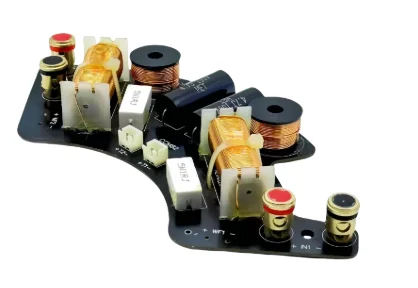
Having spent more than a decade amidst the clanks and hums of industrial machinery, I’ve come to appreciate the unassuming star behind many smooth operations—the crossover filter. If you’re new to this, you might picture something complex and arcane, but it basically acts like a traffic controller for electrical signals, ensuring each frequency band gets sent to the appropriate part of a device or system.
Oddly enough, these filters might not grab headlines like the latest motors or sensors, but without them, your machines can sound—or function—unpleasantly. I suppose it’s like the way a good editor shapes a book; unseen but crucial.
In heavy industrial settings, crossover filters are tasked with managing and splitting frequencies within machines that rely on electromagnetic components, such as loudspeakers in communication systems or signal processors in control panels. They make sure that low-frequency signals don’t stray into high-frequency components, preventing distortion and system stress.
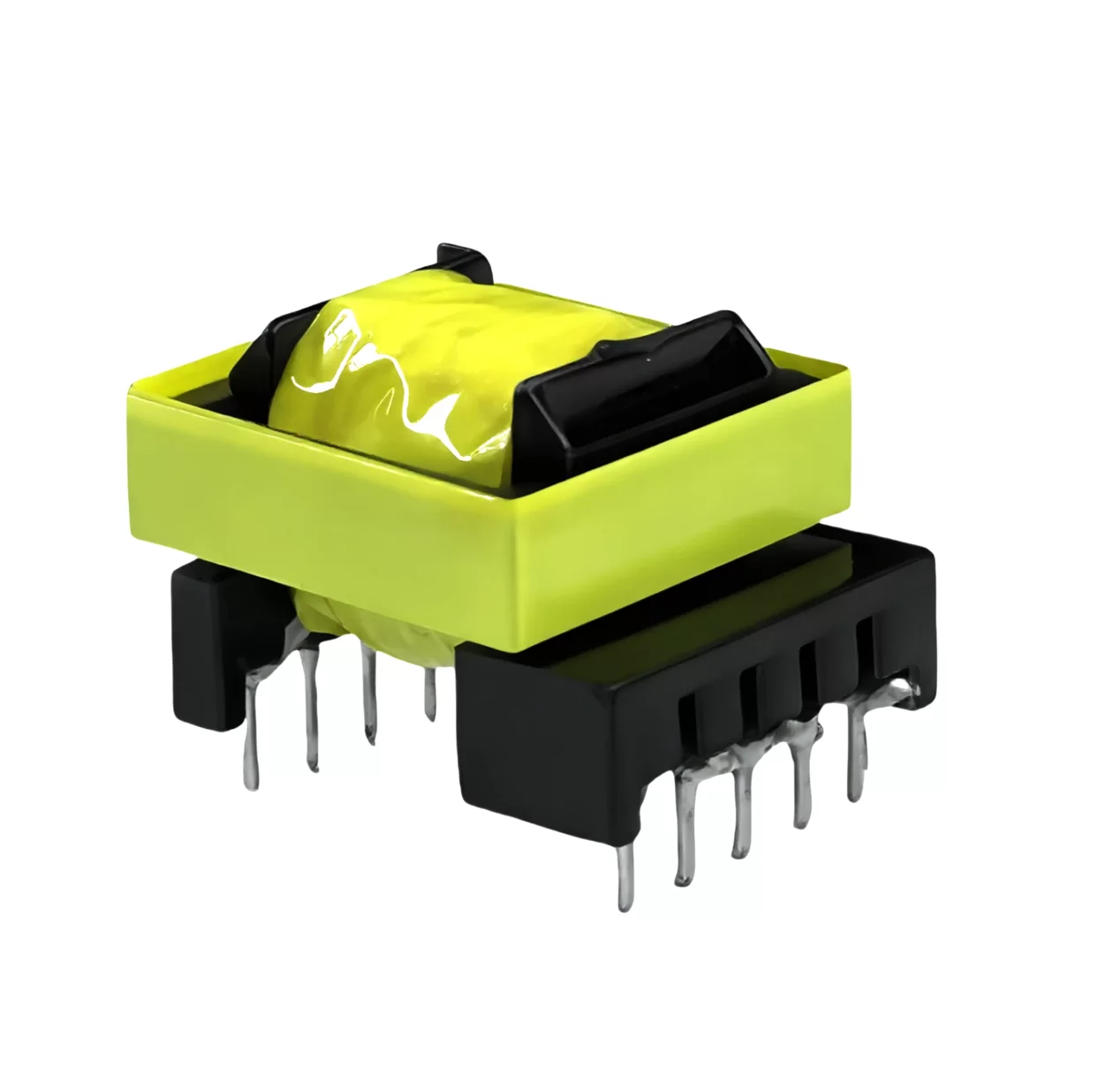
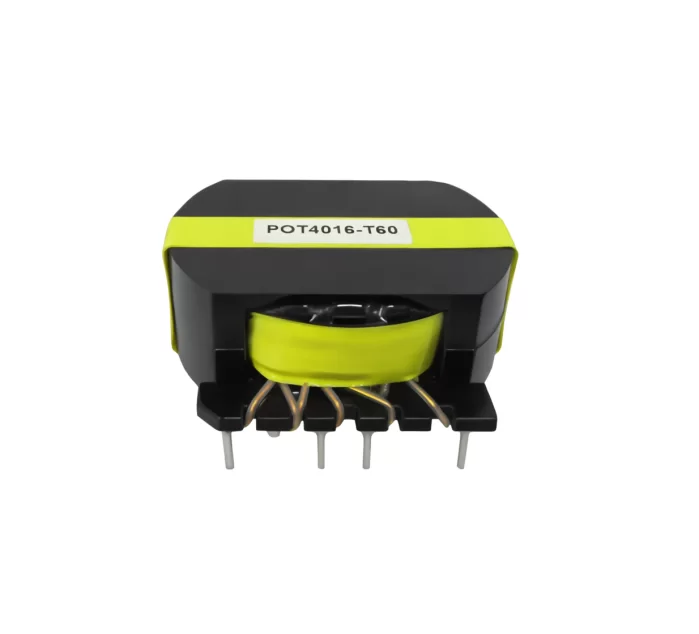
Frankly, one of the benefits I noticed early on was the way high-quality crossover filters can significantly reduce electromagnetic interference (EMI). This isn’t just a minor annoyance; EMI, if left unchecked, can lead to equipment failures or safety risks. The crossover filter from XCD Magnetic, for example, employs carefully engineered magnetic cores and low-loss materials to optimize performance. It’s kind of like giving your equipment a noise-canceling headset, in a way.
Core Product Specifications
| Specification |
XCD Magnetic Crossover Filter Model XCD-100 |
| Frequency Range |
20 Hz – 20 kHz |
| Power Handling |
Up to 250 Watts |
| Insertion Loss |
< 1.2 dB |
| Material |
High-permeability ferrite core, low-resistance copper windings |
| Operating Temperature |
-20°C to 85°C |
| Customization Options |
Available on request for different impedance and power ratings |
One thing that often surprises newcomers is just how customizable these filters can be. The core materials, coil winding configurations, and capacitor values can all be tailored to meet specific system demands. In my own experience, working alongside an XCD Magnetic technical rep helped us tweak a filter to handle a tricky frequency overlap in a hostile plant environment—which drastically improved both the reliability and clarity of our communication systems.
Many engineers I’ve met mention that the testing phase is where the real difference shows up. The best crossover filters don’t just perform on paper but consistently stand up under thermal stress, vibration, and electrical load cycles. In fact, the rigorous in-house test protocols XCD Magnetic follows, including thermal shock and EMI resistance testing, give me confidence that their products won’t just fail after a few months on the frontline.
Vendor Comparison at a Glance
| Feature |
XCD Magnetic |
Competitor A |
Competitor B |
| Frequency Range |
20 Hz – 20 kHz |
30 Hz – 18 kHz |
15 Hz – 22 kHz |
| Power Handling |
Up to 250 Watts |
Up to 200 Watts |
Up to 300 Watts |
| Customization |
Wide options available |
Limited |
Moderate |
| EMI Reduction |
High (due to advanced magnetic cores) |
Medium |
Medium |
| Testing & Reliability |
Extensive in-house testing |
Standard industry tests |
Basic testing only |
| Price Range |
Mid to High |
Low to Mid |
Mid |
The decision-making process in selecting the right crossover filter vendor can be a bit of a maze. You want something reliable, but also flexible enough to adapt as your machines evolve. In all honesty, XCD Magnetic’s combination of solid engineering, customization, and careful testing positions them well in this field—though I might confess I lean that way because of personal positive experiences.
To wrap this up with a little anecdote: once, a colleague and I spent an afternoon troubleshooting an erratic communication system caused by poor frequency separation. We swapped in a properly specified crossover filter—courtesy of XCD Magnetic—and by the next morning, clarity and stability were restored. That’s the kind of practical difference good filters make.
So, I hope this sheds some light on why crossover filters are way more than obscure components—they are unsung heroes of industrial equipment, quietly keeping operations smooth.
Reflecting on the jobsite stories and steady protections these filters provide, I’m reminded how much small engineering details matter over time. It’s worth investing in the best fit for your application.
References
- Industrial Electromagnetic Compatibility Texts (2020)
- XCD Magnetic Product Manuals and Datasheets
- Field Testing Reports for Frequency Filters, Internal Archive