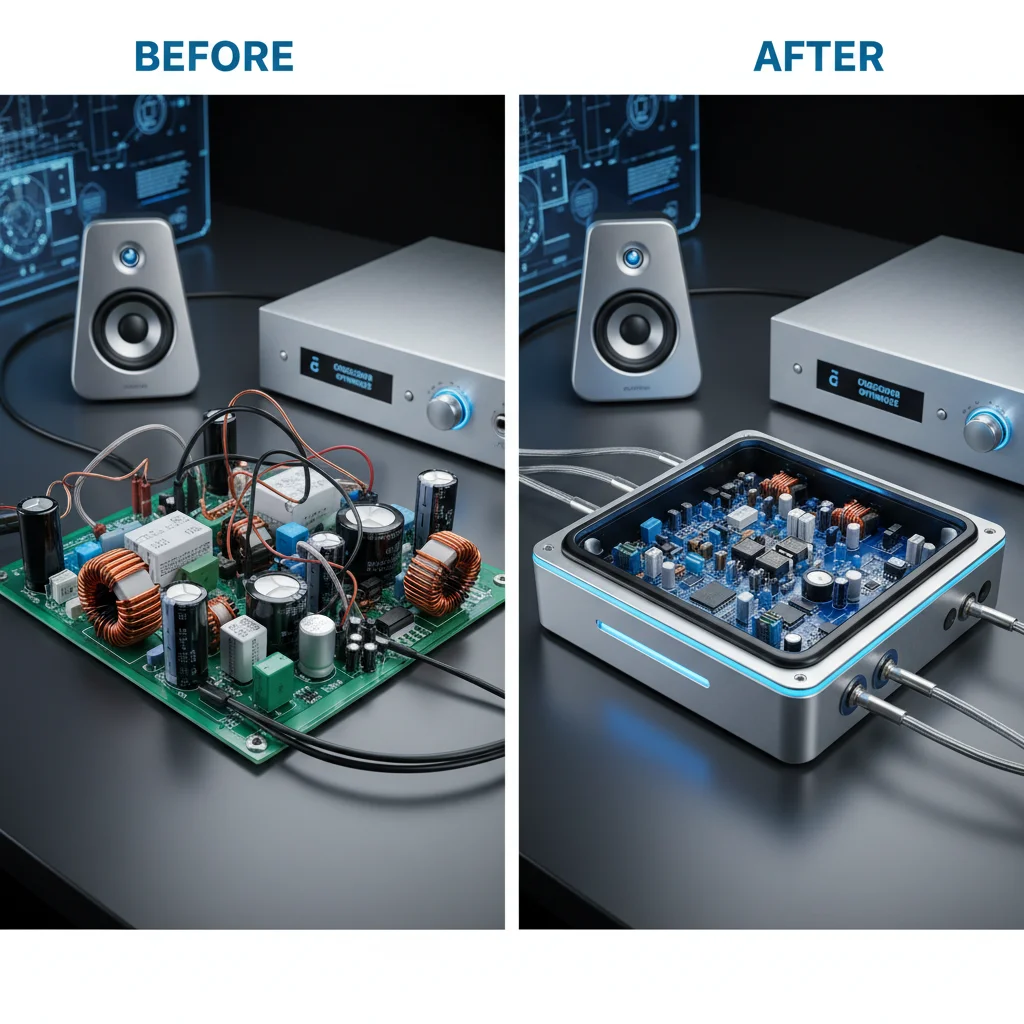
Understanding the vast array of transformer types is fundamental for any engineer or procurement specialist operating in today's complex electronic landscape. From the subtle nuances of audio crossovers to the high-power demands of industrial power supplies, the choice of the right magnetic component directly impacts the efficiency, signal integrity, and longevity of the entire system.
Across the global electronics manufacturing sector, the demand for specialized transformer types has surged as we move toward higher frequency operations and more compact device footprints. Whether it is ensuring the purity of sound in HiFi audio systems or managing electromagnetic interference through common mode inductors, these components serve as the invisible backbone of modern communication and power distribution.
By mastering the distinctions between low-frequency and high-frequency variants, as well as the specific roles of toroid inductors and filter chokes, companies can significantly reduce energy waste and improve product reliability. This guide provides a comprehensive deep dive into the diverse world of magnetic components, helping you navigate the technical specifications to find the optimal solution for your specific application.
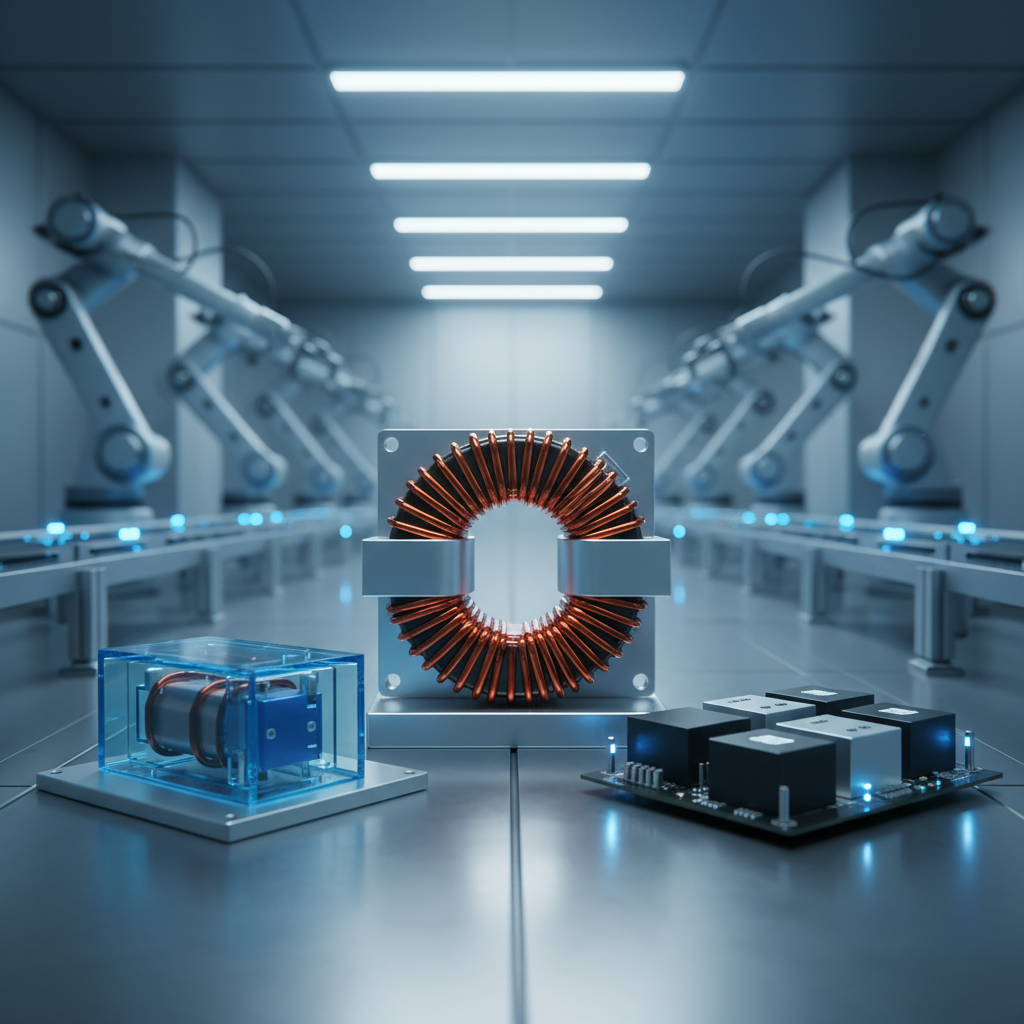
Global Relevance of Transformer Types in Electronics
On a global scale, the strategic selection of transformer types is no longer just a matter of electrical compatibility; it is a matter of energy security and environmental sustainability. As ISO standards push for higher energy efficiency ratings (such as the IE series for motors and various EcoDesign directives in Europe), the industry has shifted toward low-loss core materials and precision winding techniques to minimize eddy current losses.
The complexity of modern power grids and the rise of IoT devices have created a bifurcated demand: massive scale power transformers for infrastructure and ultra-miniature high-frequency transformers for consumer electronics. This duality forces manufacturers to innovate across multiple materials, from traditional silicon steel to advanced ferrites and nanocrystalline alloys, ensuring that power is delivered reliably regardless of the scale.
Core Definitions and Industrial Meaning
In simple terms, transformer types refer to the diverse classifications of electromagnetic devices designed to transfer electrical energy between two or more circuits through electromagnetic induction. While the basic principle—Faraday's Law—remains the same, the "type" is defined by the core geometry, the winding configuration, and the intended frequency range, which determines whether the device is a power transformer, an isolation transformer, or a signal transformer.
From an industrial perspective, these components are the "translators" of the electronic world. For instance, a High Frequency Transformer allows for the miniaturization of power supplies by operating at scales where larger cores would be inefficient, while a Low Frequency Transformer provides the stability and robustness required for heavy industrial machinery and traditional audio equipment.
This classification extends into the realm of inductors and chokes. Common mode inductors and filter inductors, while often grouped under magnetic components, serve the critical humanitarian and industrial need of "cleaning" power. By removing noise and interference, they protect sensitive medical equipment and communication arrays from catastrophic failure due to power surges or electromagnetic interference (EMI).
Key Engineering Factors for Magnetic Components
When evaluating different transformer types, Magnetic Flux Density is the primary factor. It determines how much energy the core can handle before saturation occurs. For High-Frequency Transformers, this requires materials like Manganese-Zinc (MnZn) ferrite to prevent excessive heat generation and signal distortion.
Thermal Management is equally critical. Because all transformer types experience some level of energy loss as heat, the ability of the component to dissipate this energy—whether through convection in air-core inductors or specialized potting compounds in industrial chokes—determines the operational lifespan and safety of the end product.
Lastly, Scalability and Form Factor define the commercial viability of a design. Toroid inductors, for example, offer superior shielding and efficiency due to their circular shape, making them ideal for Hifi Audio Crossovers where magnetic leakage must be minimized to preserve sound purity.
Global Applications and Use Cases
The practical application of various transformer types spans every continent and industry. In the automotive sector, Car Audio Crossovers and power inductors are essential for managing the complex electrical environment of modern electric vehicles (EVs), where high-voltage batteries must be stepped down to power delicate infotainment systems without introducing audible hum or electrical noise.
In remote industrial zones, such as mining operations in Australia or oil rigs in the North Sea, robust Low Frequency Transformers and heavy-duty filter inductors are deployed to stabilize power coming from unstable generators. These components ensure that precision control systems remain operational despite the harsh electrical environment, preventing costly downtime.
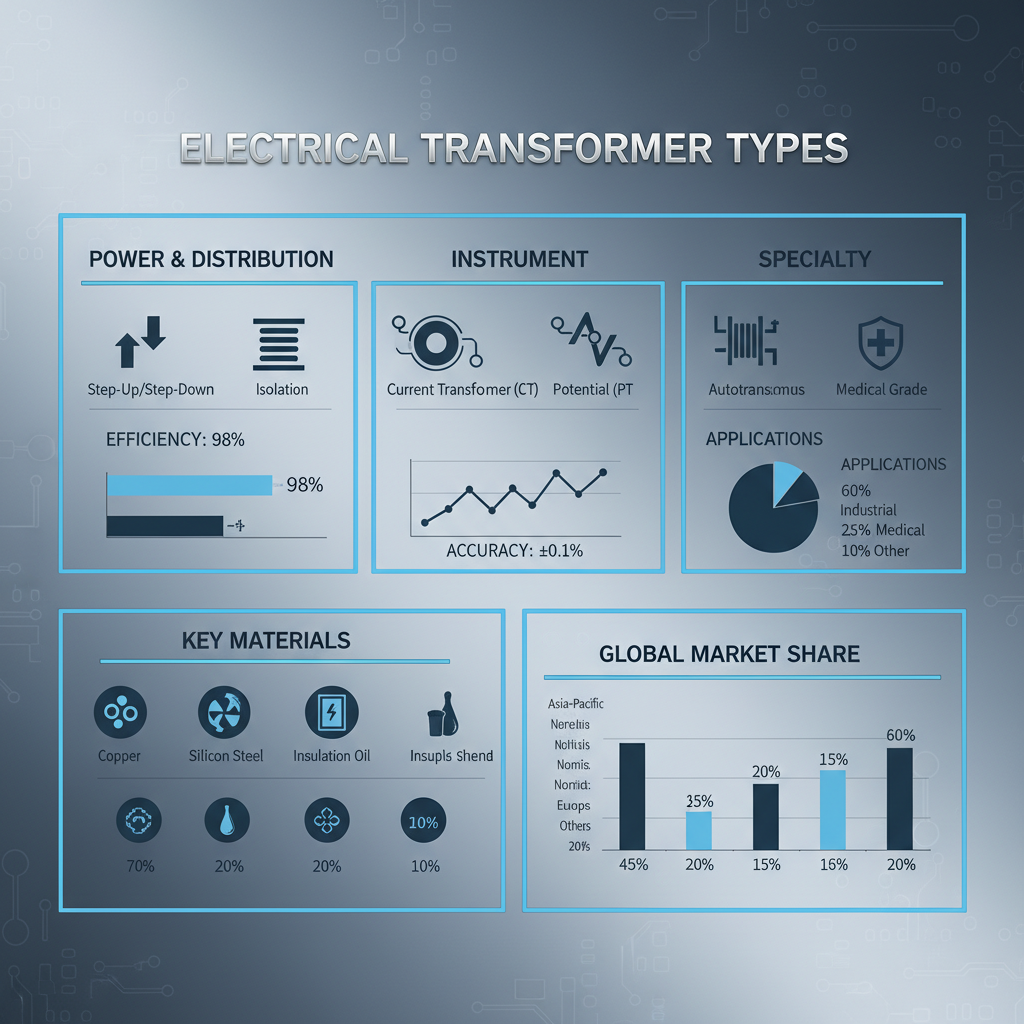
Comparative Performance of Transformer Types
Long-Term Value and Technical Advantages
Investing in high-quality transformer types yields dividends in both operational cost and system reliability. From a logical standpoint, using a precision-engineered Toroid inductor instead of a standard EI core reduces electromagnetic interference (EMI), which in turn reduces the need for expensive external shielding and filtering components in the rest of the circuit.
Beyond the technical specs, there is an emotional layer of trust and safety. In medical-grade power supplies, isolation transformers are not just components; they are lifelines that prevent leakage current from reaching patients. This level of reliability fosters innovation, allowing engineers to push the boundaries of device capability knowing that the fundamental power delivery is secure and stable.
Future Trends in Magnetic Innovation
The evolution of transformer types is currently being driven by the "Green Energy" revolution. We are seeing a transition toward Gallium Nitride (GaN) and Silicon Carbide (SiC) semiconductors, which operate at much higher switching frequencies. This necessitates a new generation of high-frequency transformers that can handle extreme speeds without saturating the core or overheating.
Digital transformation is also playing a role through "Smart Magnetics." The integration of sensors within the windings of power inductors allows for real-time monitoring of heat and flux, enabling predictive maintenance. Instead of replacing a transformer after a failure, AI-driven systems can signal when a component is nearing its end-of-life based on efficiency degradation.
Furthermore, sustainability in materials is becoming a priority. The industry is exploring biodegradable resins for potting and recycled core materials to reduce the carbon footprint of electronic manufacturing. The goal is a circular economy where magnetic components are designed for easy disassembly and material recovery.
Overcoming Challenges in Transformer Design
One of the most persistent challenges across all transformer types is the trade-off between size and efficiency. As devices shrink, the available surface area for cooling decreases, leading to "thermal throttling" where the component must be under-clocked to prevent meltdown. Expert insights suggest the use of planar transformers, where windings are etched onto PCBs, significantly increasing the surface-to-volume ratio for better cooling.
Another hurdle is the "skin effect" in high-frequency applications, where current tends to flow only on the outer surface of the conductor, increasing effective resistance. The industry solution involves using Litz wire—consisting of many thin, individually insulated strands twisted together—to ensure uniform current distribution and maintain high efficiency.
Finally, the volatility of raw material prices, such as cobalt and nickel used in high-permeability cores, creates supply chain risks. Innovative manufacturers are diversifying their material palettes and implementing lean manufacturing processes to keep costs stable while maintaining the rigorous quality standards required for aerospace and medical applications.
Comparison of Technical Specifications Across Transformer Types
|
Component Category
|
Primary Material
|
Frequency Range
|
Efficiency Score (1-10)
|
| High Frequency Transformer |
Ferrite Core |
10kHz - 1MHz |
9 |
| Low Frequency Transformer |
Silicon Steel |
50Hz - 400Hz |
7 |
| Toroid Inductor |
Iron Powder/Ferrite |
Wide Range |
9 |
| Common Mode Inductor |
MnZn Ferrite |
EMI Range |
8 |
| Power Inductor |
Composite Core |
DC to 500kHz |
7 |
| Audio Crossover Inductor |
Air Core / Iron |
20Hz - 20kHz |
8 |
FAQS
The primary difference lies in the core material and operational speed. Low-frequency transformers use laminated silicon steel to handle 50/60Hz power with high stability. High-frequency transformer types utilize ferrite cores to prevent the massive energy losses (eddy currents) that would occur at kHz or MHz frequencies, allowing for much smaller and lighter components.
Toroid inductors are preferred in Hifi Audio Crossovers because their circular shape contains the magnetic field within the core. This significantly reduces "stray" magnetic fields that can cause interference (hum) in other components, resulting in a cleaner, more accurate sound reproduction compared to traditional E-core or air-core inductors.
Common mode inductors are designed to block "common mode" noise—interference that flows in the same direction on both power lines. By creating a high impedance to this specific type of noise while allowing the desired DC or AC power to pass through, they prevent EMI from damaging sensitive internal components or causing system crashes.
Generally, no. While both are types of inductors, they have different design goals. Power inductors are optimized for energy storage and current handling in switching regulators, whereas filter inductors are optimized for specific frequency attenuation to remove noise. Replacing one with the other could lead to overheating or poor signal quality.
No. Ferrite cores are excellent for high-frequency applications because of their high electrical resistivity. However, they have a lower saturation point than silicon steel. If used in a low-frequency, high-current power transformer, the ferrite core would saturate almost immediately, leading to a total loss of efficiency and potential component failure.
Start by identifying your operating frequency, required voltage transformation ratio, and maximum current load. If you are working with audio, prioritize shielding and low distortion (Toroids). For compact power supplies, look at high-frequency ferrite types. For industrial power, low-frequency silicon steel is the standard. Always check the thermal constraints of your enclosure before finalizing the choice.
Conclusion
Navigating the diverse landscape of transformer types is a critical competency for ensuring the efficiency and reliability of modern electronic systems. From the precision of Hifi Audio Crossovers and the noise-filtering capabilities of common mode inductors to the raw power of low-frequency transformers, each component plays a specialized role in managing electromagnetic energy. By balancing core materials, thermal management, and frequency requirements, engineers can build products that are not only high-performing but also sustainable and safe.
As we move toward a future defined by GaN technology and green energy, the importance of high-efficiency magnetic components will only grow. We encourage designers to move beyond "off-the-shelf" thinking and collaborate with experts to develop customized magnetic solutions that push the boundaries of what is possible. For premium, precision-engineered magnetic components tailored to your specific needs, visit our website: www.xcdmagnetic.com.