The modern electrical grid relies heavily on efficient voltage regulation, and the dry type distribution transformer has emerged as a cornerstone for safety and reliability in urban and industrial environments. Unlike traditional oil-filled systems, these units utilize air or cast resin for insulation, eliminating the risk of flammable leaks and significantly reducing the environmental footprint of power distribution.
Understanding the nuances of dry type technology is essential for engineers and facility managers who prioritize fire safety and low maintenance. As cities become denser and infrastructure requirements more stringent, the ability to install power equipment indoors without extensive fire-suppression systems provides a critical operational advantage.
Ultimately, adopting a dry type distribution transformer is not just a technical choice but a strategic investment in sustainability and risk management. By leveraging advanced materials and streamlined designs, industries can ensure a stable power supply while adhering to the highest global safety standards.
Global Relevance of Dry Type Distribution Transformers
In the current global energy landscape, the transition toward smarter, safer cities has placed the dry type distribution transformer at the forefront of electrical engineering. With the rise of mega-cities and high-rise commercial complexes, the risk associated with oil-filled transformers—specifically the potential for catastrophic fire and soil contamination—has become an unacceptable liability. International standards, including those aligned with ISO and IEC, now heavily favor dry-type solutions for indoor installations.
The global demand is further accelerated by the integration of renewable energy sources into urban grids. As we see an increase in decentralized power generation, the need for robust, low-maintenance distribution units that can be placed close to the end-user without requiring complex containment pits is paramount. This shift ensures that critical infrastructure remains resilient against both technical failure and environmental hazards.
Defining the Dry Type Distribution Transformer
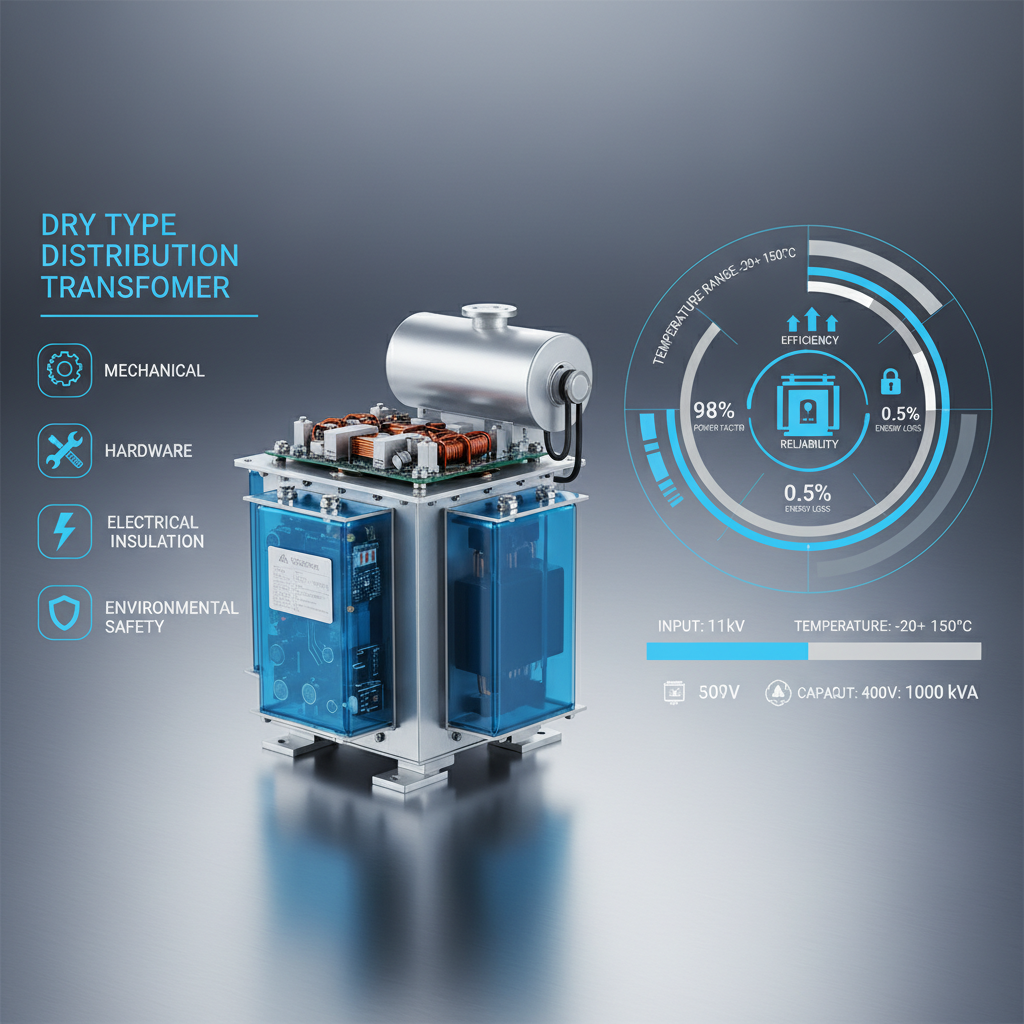
At its core, a dry type distribution transformer is a device used to step down voltage for distribution to end-users, utilizing air or a solid insulating material rather than liquid oil for cooling and electrical insulation. This fundamental difference in design allows the unit to operate safely in environments where oil leakage would be hazardous, such as hospitals, airports, and underground subway systems.
These transformers are typically categorized into Cast Resin (CRT) and Vacuum Pressure Impregnated (VPI) types. Cast resin transformers involve encapsulating the windings in an epoxy resin, which provides an airtight seal and exceptional resistance to moisture and dust. VPI transformers, on the other hand, use a vacuum process to ensure the insulating resin penetrates every void in the winding, offering a high degree of mechanical strength.
From a humanitarian and industrial perspective, this technology enables the rapid deployment of power in sensitive areas. Whether it is powering a temporary medical facility in a disaster zone or a high-tech data center in a crowded metropolis, the dry type distribution transformer ensures that electricity is delivered safely and reliably without the logistical burden of managing hazardous fluids.
Core Components for Operational Excellence
The durability of a dry type distribution transformer is primarily driven by its high-grade winding materials. Using oxygen-free copper or high-conductivity aluminum ensures minimal energy loss and maximum efficiency during voltage conversion, which is critical for maintaining a stable power supply in industrial settings.
Thermal management is the second pillar of excellence. Because the dry type distribution transformer relies on natural or forced air cooling, the design of the ventilation ducts and the integration of cooling fans are vital. This prevents overheating during peak loads and extends the operational lifespan of the insulation.
Finally, the core construction—often utilizing high-permeability grain-oriented silicon steel—reduces hysteresis and eddy current losses. This structural integrity allows the unit to maintain a compact footprint while delivering the power capacity required for modern electronic components and heavy machinery.
Performance Metrics and Efficiency Analysis
When evaluating the efficiency of a dry type distribution transformer, engineers look at the balance between no-load losses and load losses. While oil-cooled units might have a slight edge in sheer cooling capacity, dry type units offer superior reliability in terms of fire safety and maintenance-free operation over decades of service.
The integration of smart monitoring systems has further enhanced these metrics. By tracking real-time temperature and load patterns, operators can optimize the performance of their distribution network, ensuring that the transformer operates within its peak efficiency window and reducing the likelihood of unplanned downtime.
Efficiency Comparison of Dry Type Distribution Transformer Variations
Global Applications and Industrial Use Cases
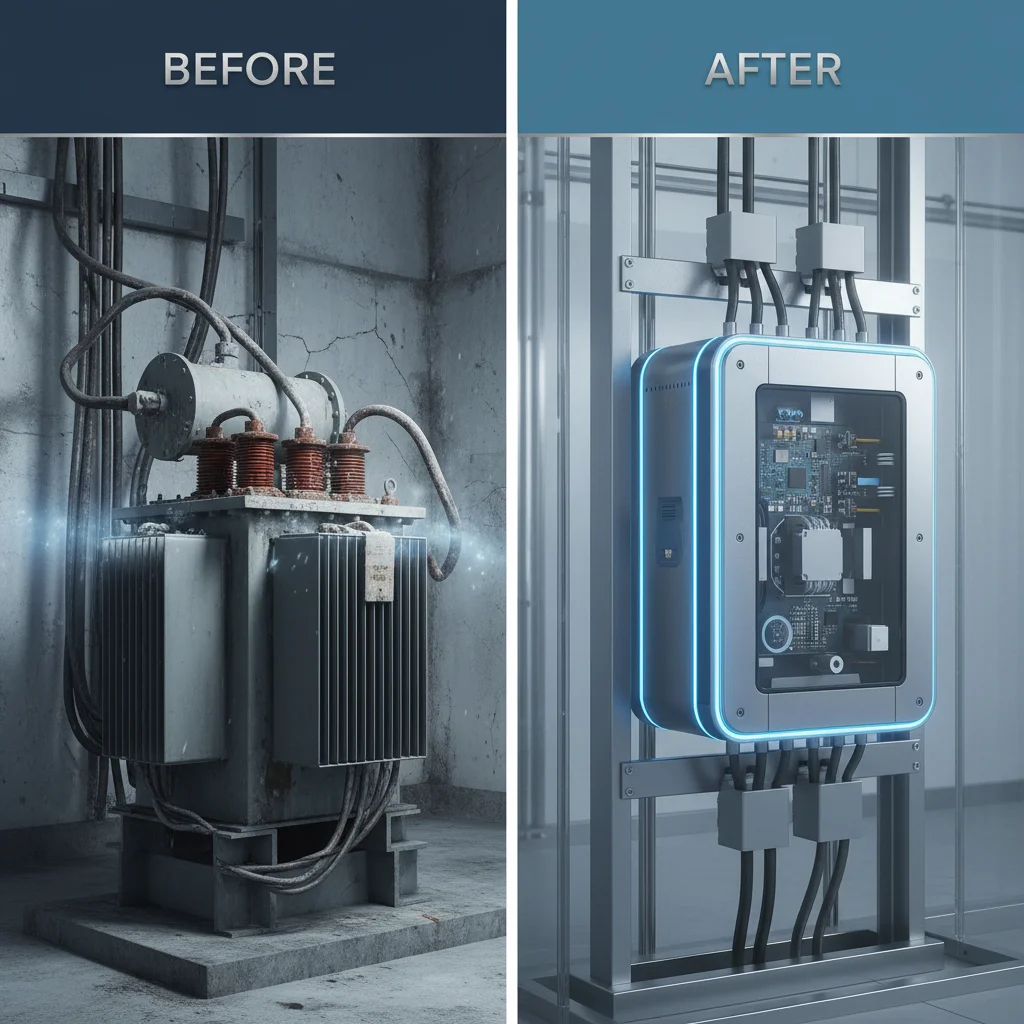
The versatility of the dry type distribution transformer makes it indispensable in the commercial sector. In high-density urban centers, these units are frequently installed in the basements of skyscrapers and shopping malls. Because they do not require oil containment pits, they save valuable real estate and eliminate the risk of hazardous leaks in pedestrian-heavy areas.
In industrial zones, particularly in the electronics and pharmaceutical industries, clean environments are mandatory. The absence of oil eliminates the risk of volatile organic compound (VOC) emissions, making the dry type distribution transformer the only viable choice for clean-room applications. From powering precision robotics to maintaining the climate control of vaccine storage, these transformers provide the steady, clean power necessary for high-stakes operations.
Long-Term Value and Sustainability Benefits
From a financial perspective, the initial higher cost of a dry type distribution transformer is quickly offset by the reduction in maintenance expenditures. There is no need for oil sampling, filtering, or the replacement of gaskets and seals, which significantly lowers the Total Cost of Ownership (TCO) over a 20-to-30-year lifecycle.
Beyond the balance sheet, the sustainability impact is profound. By removing mineral oils from the equation, companies eliminate the risk of soil and groundwater contamination. This aligns with global ESG (Environmental, Social, and Governance) goals and ensures compliance with strict environmental regulations in the EU and North America.
Furthermore, the peace of mind provided by enhanced fire safety cannot be overstated. In critical infrastructure like hospitals, the use of dry type transformers protects patients and staff by ensuring that a transformer failure does not lead to an uncontrollable blaze, thereby preserving the dignity and safety of the facility.
Future Trends in Power Distribution Technology
The future of the dry type distribution transformer is being shaped by the "Digital Twin" concept and the Internet of Things (IoT). We are seeing the integration of advanced sensors that provide predictive analytics, allowing the transformer to "signal" its own maintenance needs before a failure occurs, thus moving from reactive to proactive management.
Material science is also evolving, with the introduction of bio-based resins and nano-composite insulators that offer even higher thermal conductivity. These innovations will allow transformers to handle higher power densities in even smaller packages, supporting the increasing load demands of electric vehicle (EV) charging hubs and AI data centers.
As the world pushes toward carbon neutrality, the synergy between dry type transformers and smart grids will be crucial. The ability to integrate seamlessly with automated demand-response systems ensures that power is distributed efficiently, reducing waste and supporting a greener planetary future.
Technical Analysis and Comparison of Dry Type Distribution Transformer Specifications
| Technology Type |
Insulation Class |
Fire Risk Level |
Maintenance Need |
| Cast Resin (CRT) |
Class F / H |
Negligible |
Very Low |
| VPI Impregnated |
Class H |
Low |
Low |
| Air Core Dry |
Class B |
None |
Moderate |
| Eco-Resin Type |
Class F |
Negligible |
Very Low |
| Hybrid Cooling |
Class H |
Low |
Low |
| Standard Air-Cooled |
Class B |
Low |
Moderate |
FAQS
The primary safety advantage is the elimination of flammable insulating oils. In the event of an internal fault, a dry type distribution transformer does not risk an oil fire or explosion, nor does it leak hazardous chemicals into the ground. This makes them ideal for indoor installation in populated areas where fire safety codes are strict.
With proper installation and ventilation, a high-quality dry type distribution transformer can last between 20 to 30 years. Their lifespan is primarily influenced by the thermal stress on the insulation; therefore, using units with high-grade cast resin and proper cooling systems ensures maximum longevity.
Yes, the upfront cost is typically higher than oil-filled equivalents due to the expensive resins and specialized winding processes. However, the "Life Cycle Cost" is often lower because you save on containment pits, fire suppression systems, and ongoing oil maintenance and testing.
Yes, they can be used outdoors, but they must be housed in an appropriately rated enclosure (e.g., NEMA 3R or IP-rated) to protect them from rain, snow, and dust. While they are designed for indoor use, a protective housing allows them to function perfectly in outdoor environments.
Maintenance is minimal compared to oil units. The primary requirements are periodic visual inspections and the cleaning of dust from the cooling vents and windings using compressed air or vacuuming. This ensures that the airflow remains unobstructed and the unit doesn't overheat.
Cast Resin is generally superior for environments with high humidity, dust, or corrosive gases because the resin creates a total seal. VPI is an excellent, cost-effective alternative for cleaner industrial environments where mechanical robustness is the priority over total environmental sealing.
Conclusion
The dry type distribution transformer represents a critical evolution in power distribution, blending high-performance electrical engineering with a commitment to safety and environmental stewardship. By eliminating the risks associated with insulating oils and reducing the burden of lifelong maintenance, these units provide a reliable foundation for the modern urban grid, from high-tech hospitals to sustainable industrial parks.
As we look toward a future defined by smart cities and green energy, the importance of adopting efficient, fire-safe, and digitally integrated power solutions cannot be overstated. We encourage engineers and facility owners to prioritize dry-type technology to ensure their infrastructure is not only compliant with today's standards but resilient enough for tomorrow's challenges. Visit our website: www.xcdmagnetic.com