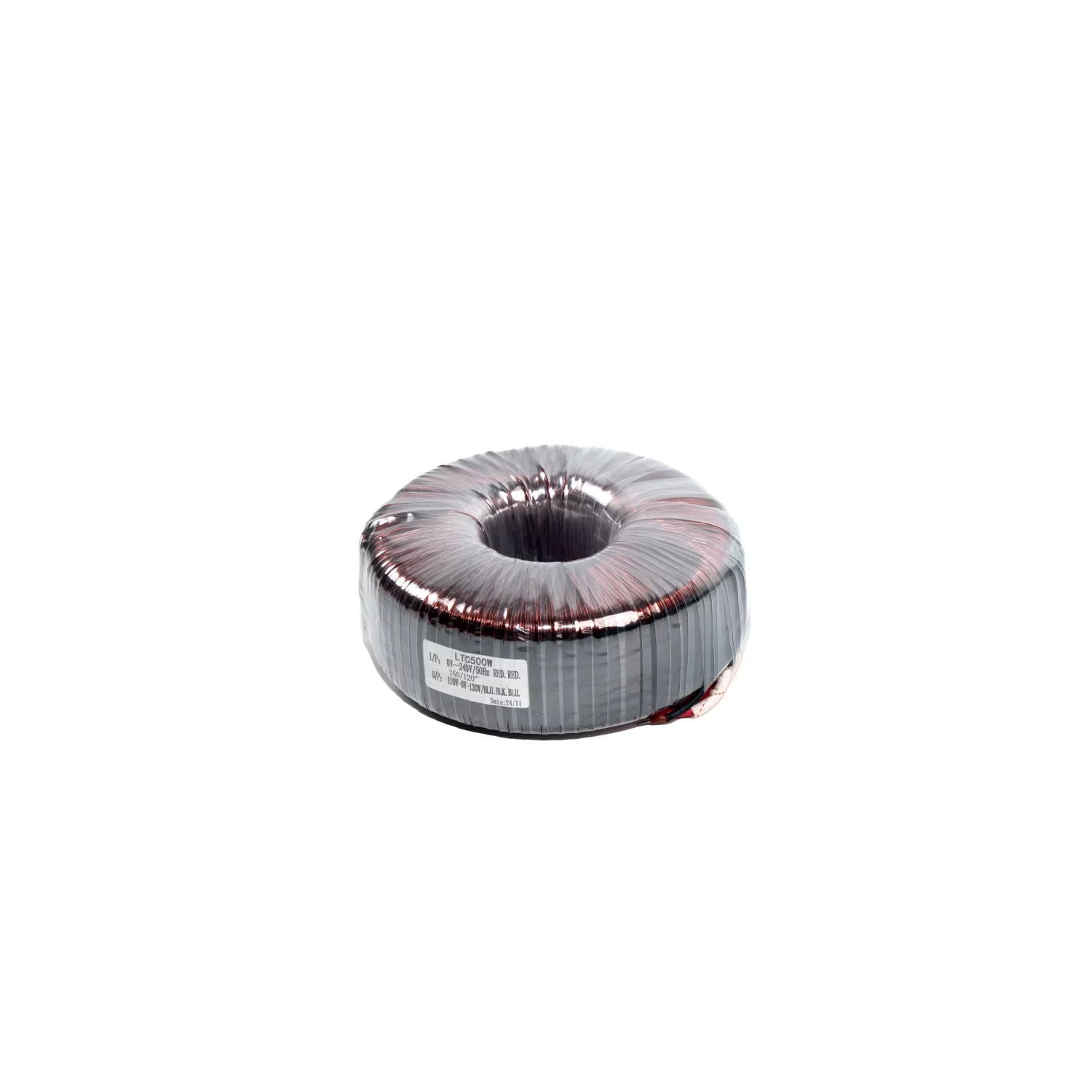
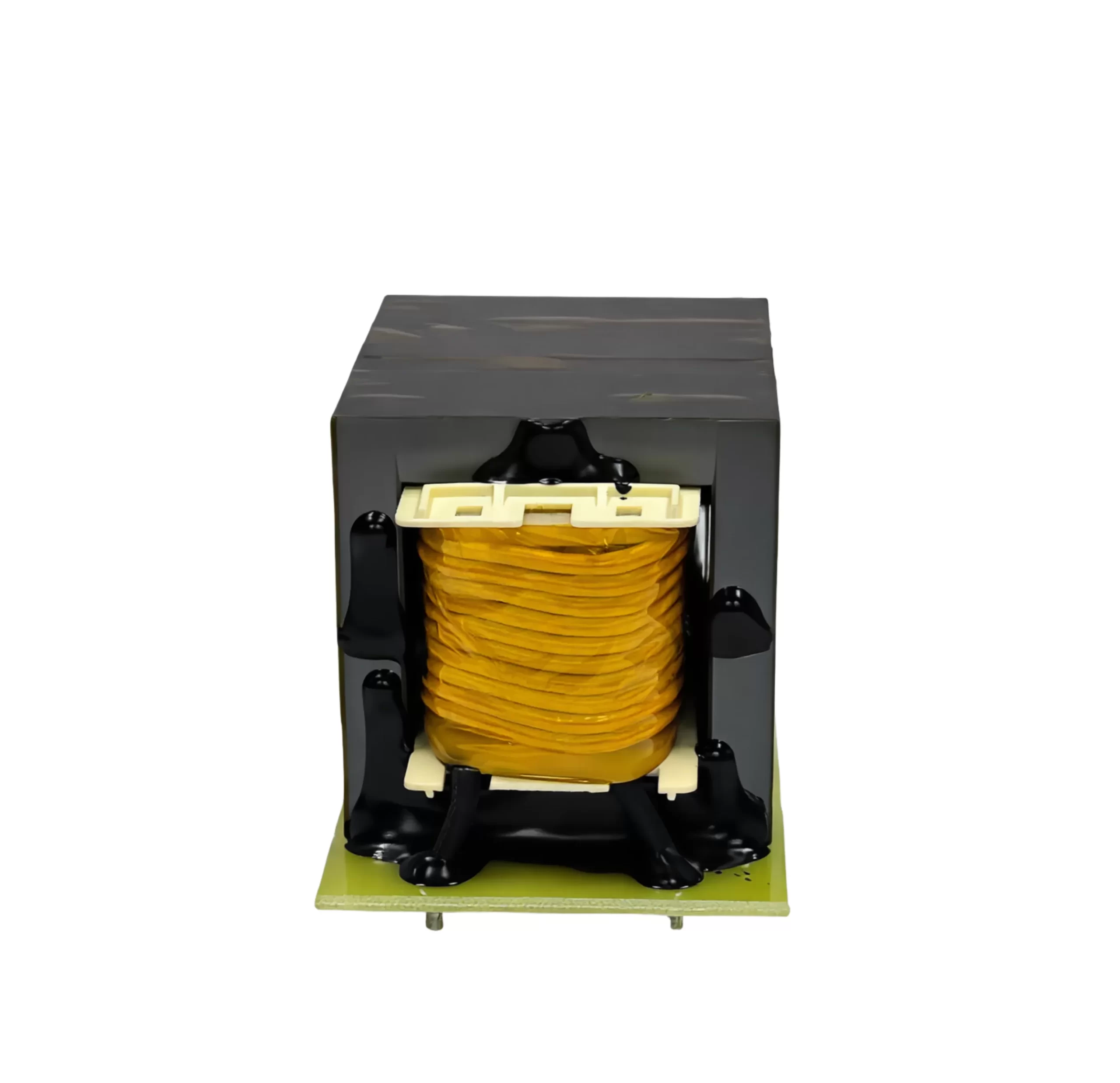
HighEfficiency Metal Power Inductor Solutions for Libya’s Infrastructure

High-Efficiency Metal Power Inductor Solutions for Libya's Infrastructure

Providing robust electronic components designed to withstand extreme desert climates and power fluctuations in the Libyan industrial sector.

High-Efficiency Metal Power Inductor Solutions for Libya's Infrastructure

Specialized magnetic components engineered for reliability in high-temperature environments, supporting Libya's growing electronic manufacturing and telecommunications needs.

The Current State of Magnetic Component Integration in Libya

Analyzing the intersection of electronic component durability and Libya's unique environmental challenges.

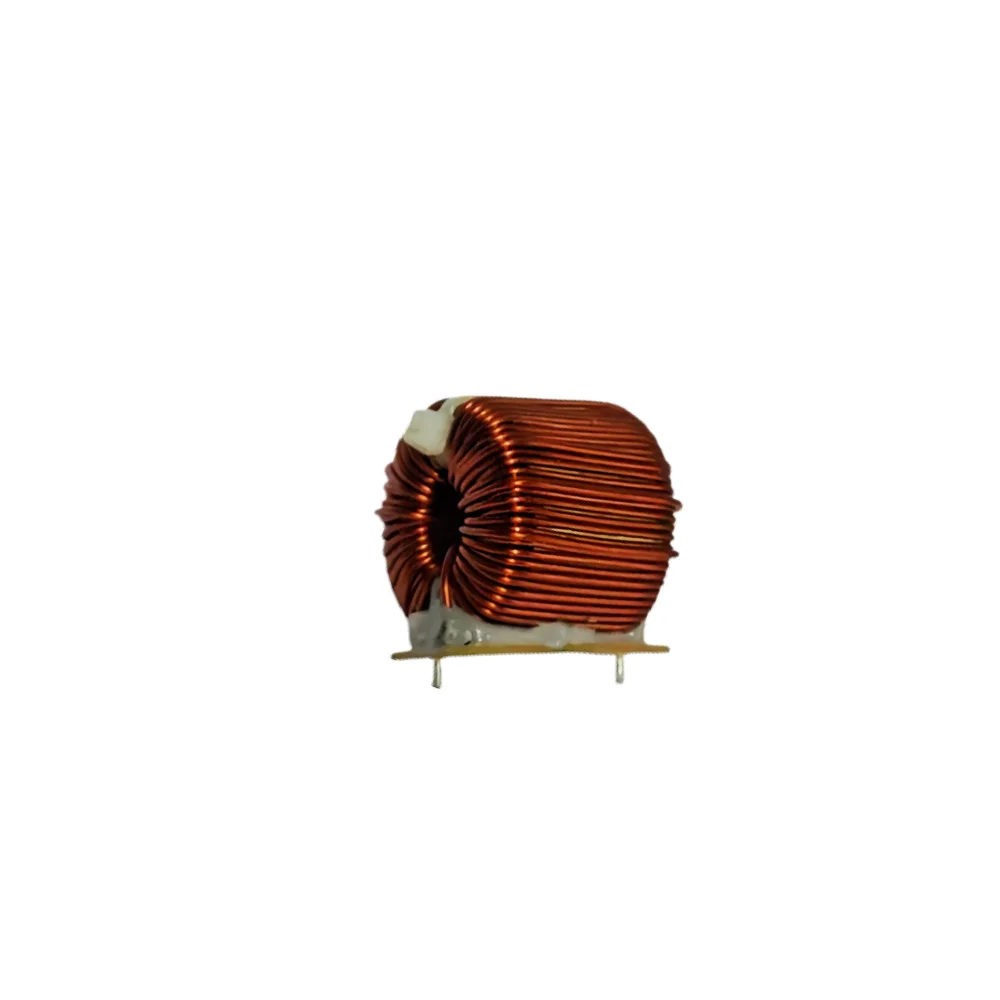
In Libya, the electronics manufacturing landscape is heavily influenced by extreme thermal cycles and sandy environments. The demand for a reliable bead inductor has grown as local telecommunication providers seek to eliminate high-frequency noise in regions with unstable power grids.

Economic shifts toward diversifying the industrial base have led to an increased adoption of advanced power modules. However, the prevalence of dust and high heat requires components like the drum inductor to have superior insulation and thermal dissipation properties to prevent premature failure in the field.

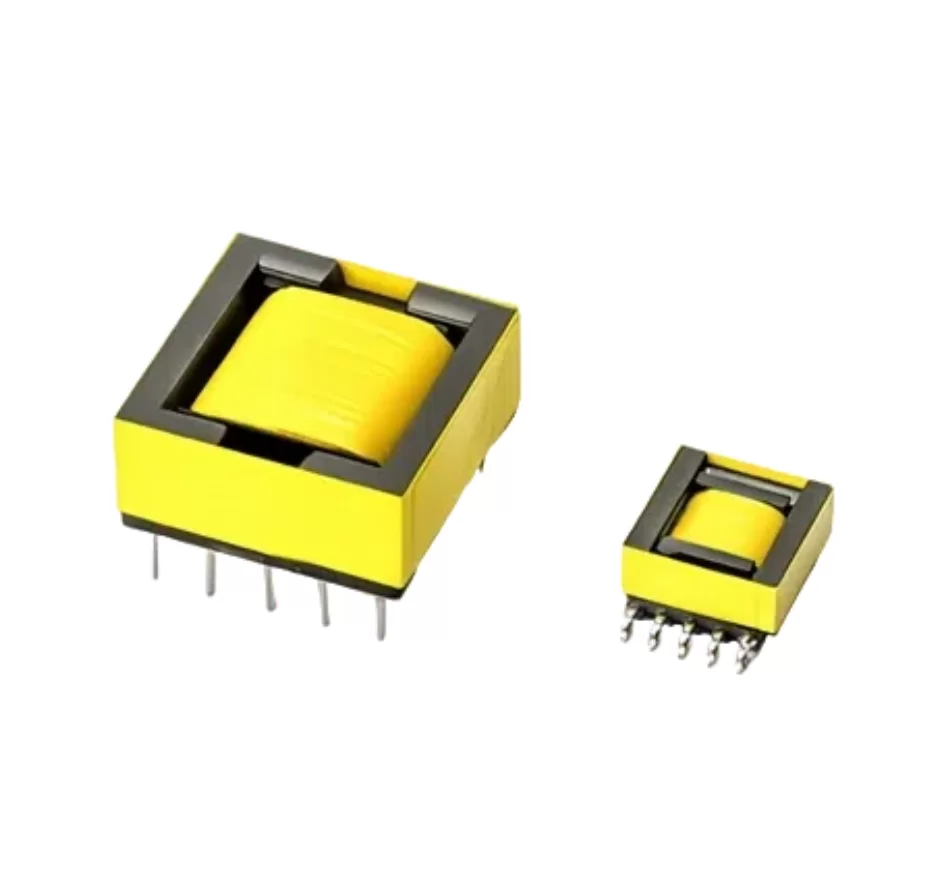
Currently, the market is transitioning from importing generic components to seeking specialized coupled inductor model designs that can handle the specific voltage ripples common in the Libyan power distribution network, ensuring stability for critical infrastructure.
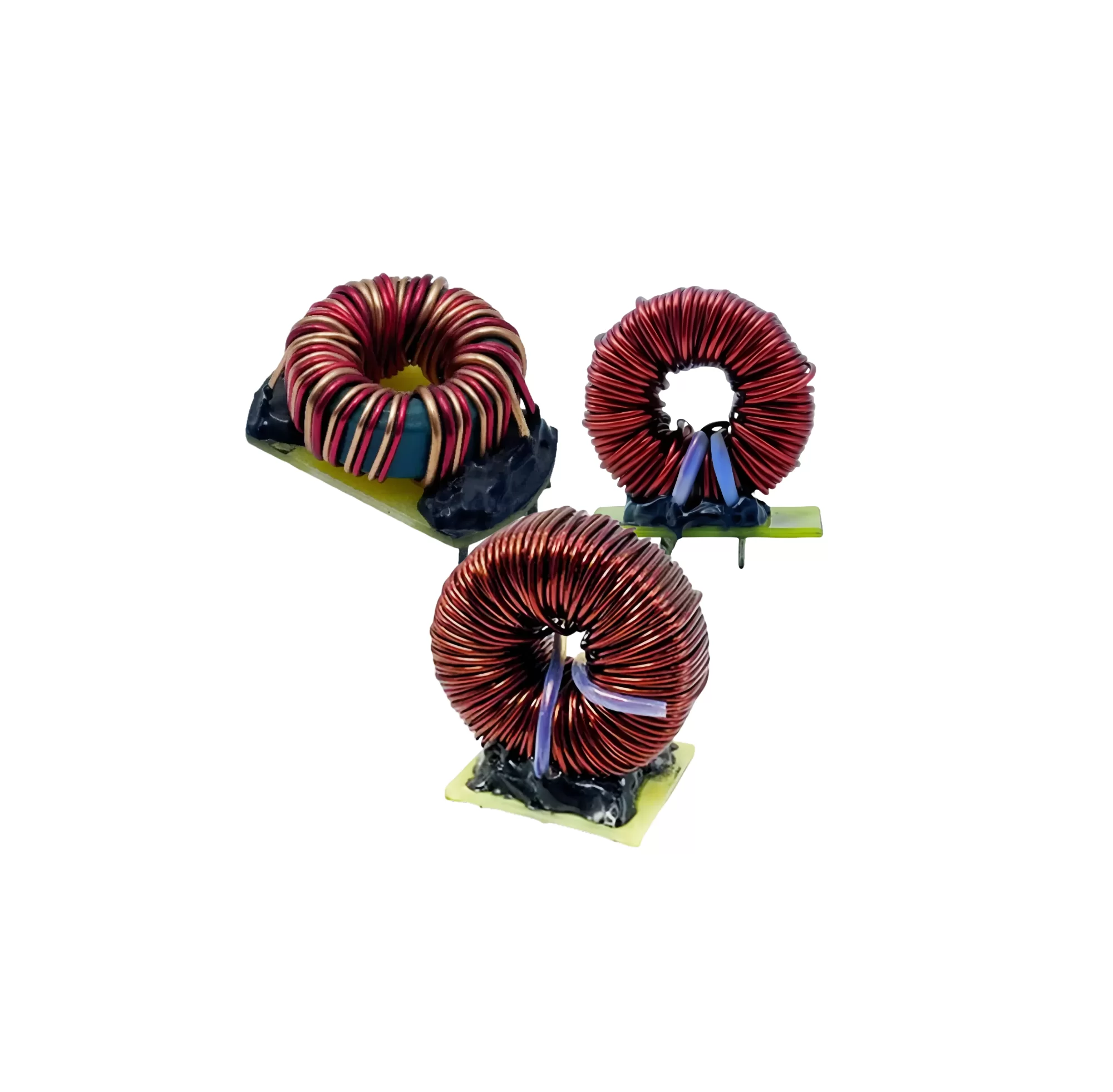
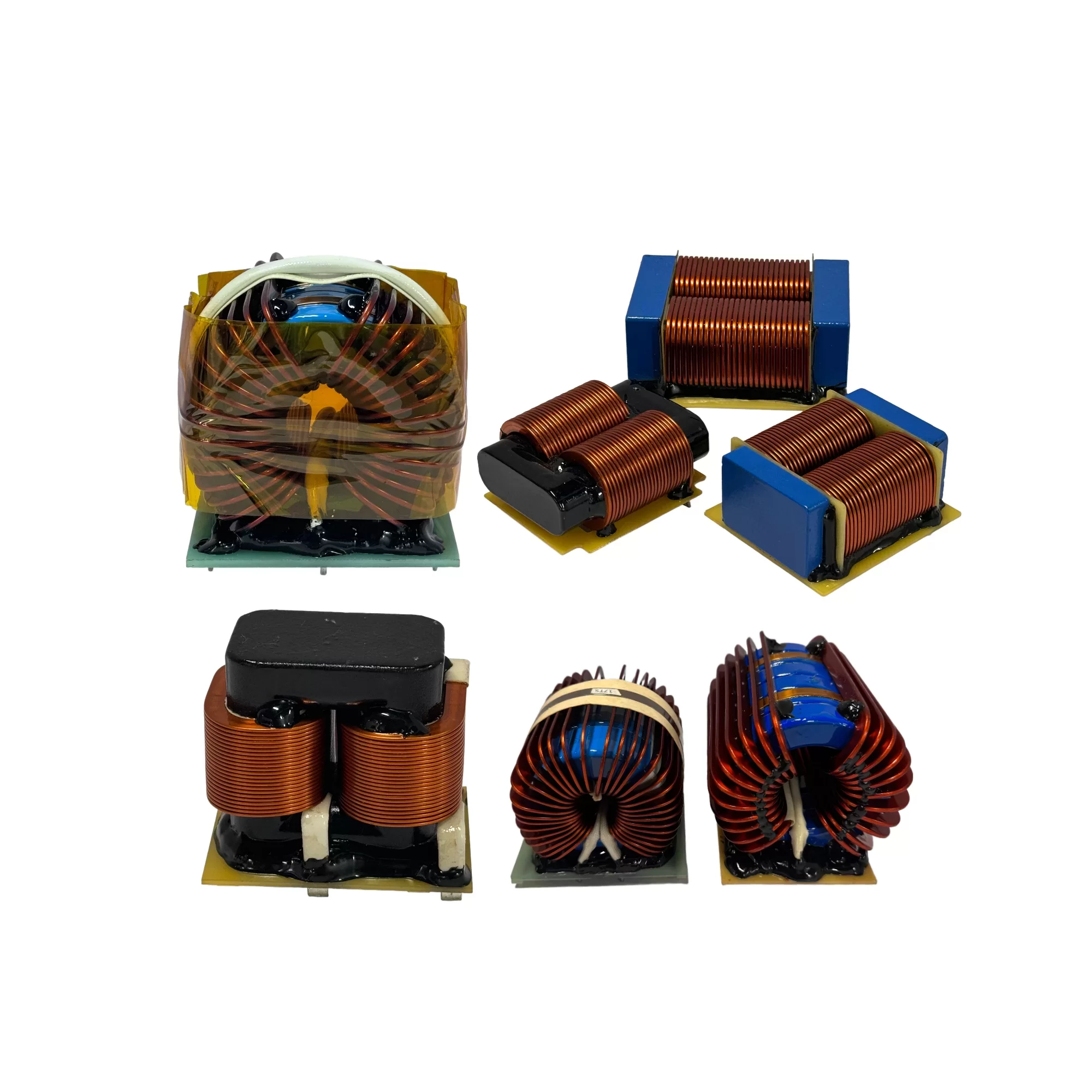
Evolution and Trajectory of Power Inductor Technology

From basic ferrite cores to advanced coupled magnetic structures.

Market Development History

During the early 2000s, the Libyan market relied primarily on basic air-core and low-grade ferrite inductors for simple power filtering, lacking the precision required for modern digital electronics.

Between 2010 and 2020, there was a significant shift toward the adoption of the coupled inductor buck converter designs, allowing for smaller footprints and higher efficiency in localized power supply units.

By 2023, the integration of high-saturation materials became standard, with a clear movement toward shielded components to reduce Electromagnetic Interference (EMI) in dense urban electronic installations across Tripoli and Benghazi.

Future Development Trends

Ultra-High Temperature Resistance

Future designs will focus on materials that maintain permeability at 100°C+, essential for the Sahara-adjacent industrial zones.

Miniaturization via Coupled Magnetics

The trend is moving toward multi-phase designs where a single core replaces multiple components to save space in 5G base stations.

AI-Driven Component Optimization

Predictive modeling will allow for customized inductor specifications based on real-time power grid data from the Libyan General Electricity Company.

Industry Outlook and Future Strategic Directions

Projecting the technological shift in electronic component manufacturing for the next 3-5 years.

Energy Grid Stabilization
Development of high-current inductors to support solar energy integration and grid smoothing in remote Libyan regions.
Telecom Infrastructure 5G
Increasing demand for low-loss magnetic components to facilitate the rollout of high-speed data networks in Libya.
Industrial Automation
Integration of precision inductors in oil and gas refinery control systems for enhanced reliability.
Eco-Friendly Materials
Transition toward halogen-free and recyclable magnetic cores to meet emerging environmental standards in North Africa.

Industry Outlook

Based on current search trends and infrastructure investment in North Africa, the demand for power conversion efficiency is peaking. We anticipate a surge in the request for integrated magnetic solutions that reduce the bill of materials (BOM) while increasing power density.

The synergy between smart grid initiatives in Libya and high-performance electronic components will drive the market toward customized, application-specific inductor designs rather than off-the-shelf generic models.

Localized Application Scenarios in Libya

Real-world deployments of electronic magnetic components across Libyan industry.

1. Oil & Gas Control Systems

Implementing high-saturation metal power inductors in sensor arrays for oil pipeline monitoring to ensure signal stability despite electromagnetic noise from heavy machinery.

2. Solar Energy Inverters

Utilizing coupled inductor buck converters in off-grid solar installations to provide clean DC power for remote desert communities.

3. Telecom Base Stations

Using precision bead inductors for EMI suppression in 4G/5G towers to maintain connectivity during Libya's frequent electrical surges.

4. Industrial Power Supplies

Deploying drum inductors in heavy-duty factory power supplies to manage high inrush currents in manufacturing plants within the Misrata Free Zone.

5. Medical Device Power Filtering

Integrating specific coupled inductor models in healthcare equipment to ensure uninterruptible and noise-free power for critical life-support systems in Tripoli hospitals.

Brand Story

Global Development Journey of Huizhou Xinchangda Electronics Co., Ltd.

Foundation and Vision

Established with a mission to solve the instability of power conversion in industrial electronics, focusing on high-precision magnetic core technology.

Technical Breakthroughs

Pioneered advanced winding techniques for coupled inductors, significantly reducing energy loss and heat generation for global clients.

Global Market Expansion

Expanded our footprint into North Africa and the Middle East, tailoring components for extreme climate resilience.

Quality Certification

Achieved international standards for automotive and industrial grade electronics, ensuring zero-defect shipments globally.

Future Sustainable Innovation

Committing to green manufacturing and the development of the next generation of energy-efficient magnetic components.

Complete Product Portfolio for Libya

Comprehensive magnetic solutions ranging from noise filtering to high-power conversion.

Common Questions Regarding Inductors in Libya

Technical guidance for local engineers and procurement specialists.

How does the high temperature in Libya affect coupled inductor model performance?

High temperatures can lead to a decrease in saturation current. We use high-Curie temperature ferrite materials to ensure stable inductance even in desert heat.

Which bead inductor is best for suppressing EMI in Libyan telecom equipment?

Depending on the frequency, we recommend high-impedance ferrite beads that offer maximum attenuation in the GHz range to prevent signal interference.

Can a metal power inductor handle the voltage spikes common in Libya's grid?

Yes, our metal power inductors are designed with wide voltage margins and high saturation limits to handle transient spikes without saturating.

What are the advantages of using a drum inductor in industrial power supplies?

Drum inductors provide an excellent balance between high current handling and compact size, making them ideal for rugged industrial power units.

Why choose a coupled inductor buck design for solar energy systems?

Coupled inductors reduce output ripple and improve transient response, which is critical for maintaining a steady DC voltage from fluctuating solar panels.

How do I specify the right inductor for a custom Libyan project?

Provide us with the operating temperature, peak current, and target frequency. Our engineers will suggest the optimal material and geometry for your application.

Get Expert Consultation Today

Partner with a global leader in magnetic components to optimize your electronics manufacturing in Libya.

Contact Us Now

If you are interested in our products, you can choose to leave your information here, and we will be in touch with you shortly.