Dry type power transformers are essential components in modern electrical distribution networks, playing a crucial role in ensuring reliable and safe power supply. These transformers, unlike their oil-filled counterparts, utilize air as the primary cooling medium, offering significant advantages in terms of safety and environmental impact. The global demand for dry type power transformers is steadily increasing, driven by factors like growing industrialization, stringent safety regulations, and the expanding renewable energy sector. Understanding their characteristics and applications is vital for engineers, procurement professionals, and anyone involved in power infrastructure development.
The importance of dry type power transformers extends beyond simple voltage transformation. They are increasingly favored in applications requiring enhanced fire safety, reduced maintenance, and minimized environmental footprint. From powering critical infrastructure like hospitals and data centers to serving commercial buildings and industrial facilities, these transformers are at the heart of a vast range of modern operations. Their adoption directly impacts the efficiency and reliability of power distribution systems worldwide.
The evolution of dry type power transformer technology continues with ongoing advancements in insulation materials, core designs, and cooling techniques. This innovation is focused on enhancing performance, reducing losses, and improving overall sustainability. As power grids become more complex and decentralized, the role of these transformers will only become more critical in facilitating a stable and efficient energy future. You can explore our range of dry type power transformer solutions at XCD Magnetic.
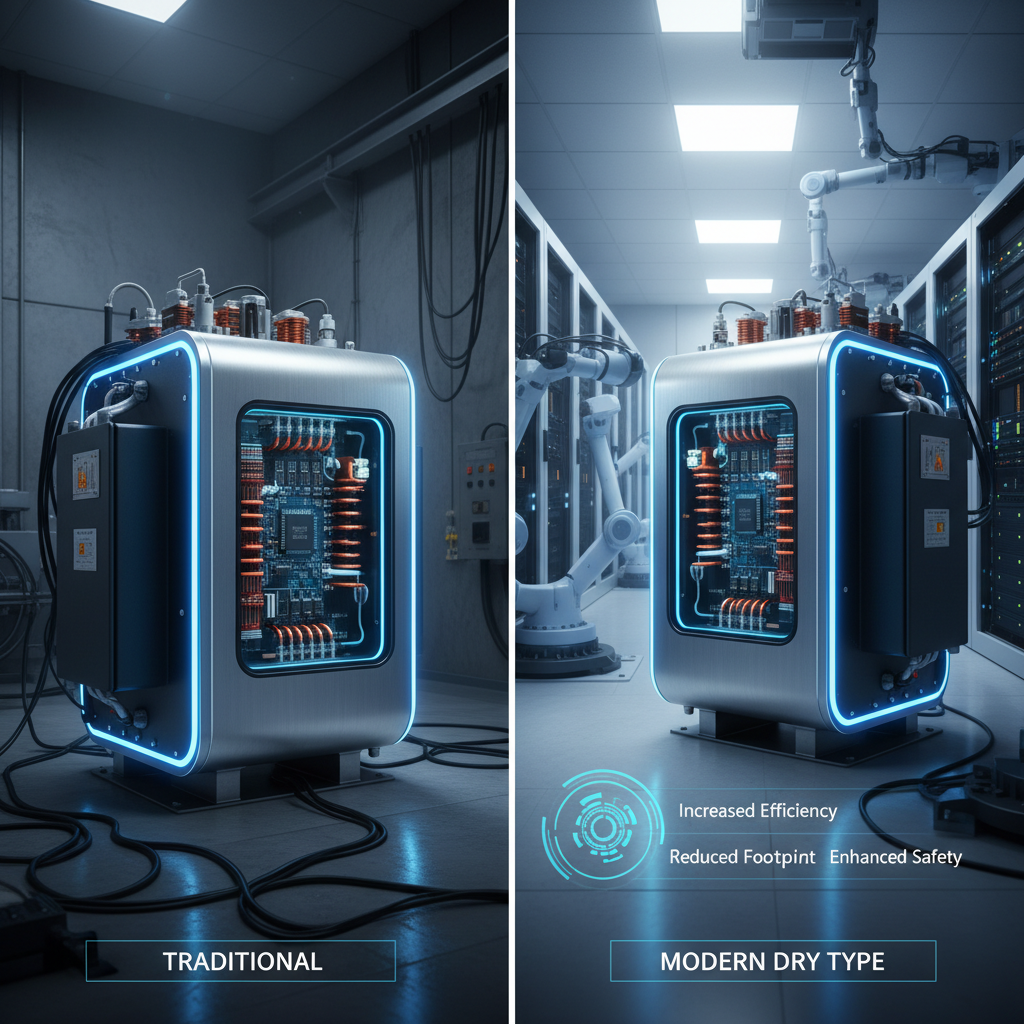
Introduction to Dry Type Power Transformers
Dry type power transformers are becoming increasingly prevalent in a wide range of applications due to their inherent safety and environmental advantages. Unlike oil-filled transformers, they don’t require flammable or potentially hazardous oil for cooling, eliminating the risk of oil leaks and fires. This makes them particularly suitable for indoor installations, densely populated areas, and environments with strict safety regulations. Dry type power transformers offer a clean and reliable power distribution solution.
The versatility of dry type transformers is also noteworthy. They can be customized to meet specific voltage and current requirements, making them adaptable to diverse industrial and commercial needs. Advancements in materials and design have further improved their efficiency and performance, making them a compelling choice for both new installations and replacements of older, less efficient technologies.
Defining Dry Type Power Transformers
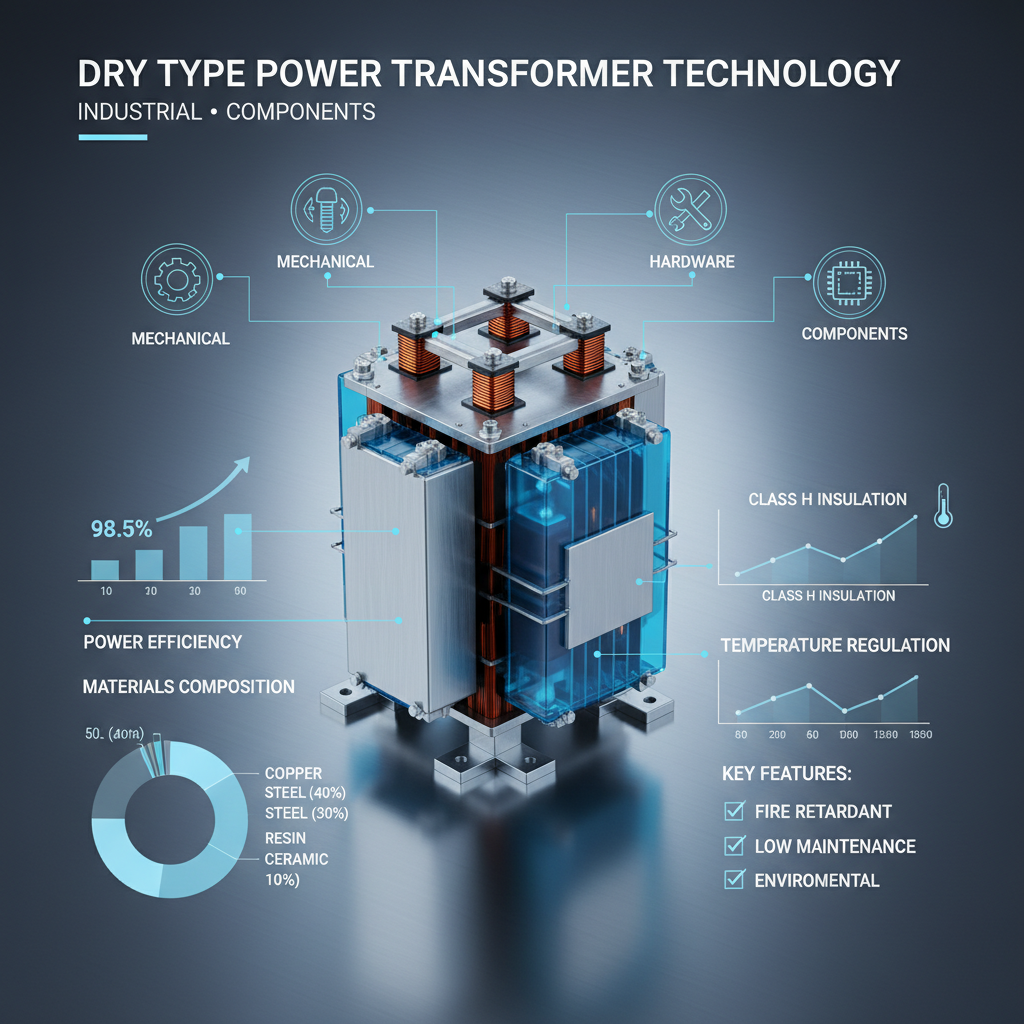
A dry type power transformer is an electrical transformer that uses air as its primary cooling medium. This contrasts sharply with oil-filled transformers which utilize oil for both cooling and insulation. Instead of oil, dry type transformers rely on a combination of materials like epoxy resin, polyester resin, or even simply air circulation to dissipate heat generated during operation. This inherently safer design reduces maintenance requirements and minimizes the risk of environmental contamination.
The core of a dry type power transformer consists of laminated steel, similar to oil-filled types, to minimize eddy current losses. The windings are insulated with high-performance materials designed to withstand high temperatures and voltage stresses. The entire assembly is often encased in a protective enclosure to shield it from dust, moisture, and other environmental factors.
This type of transformer is directly linked to providing reliable power in modern infrastructure. Its ability to function safely and efficiently in challenging environments makes it invaluable in supporting critical operations in hospitals, data centers, and manufacturing plants, all of which require consistent and dependable power delivery.
Key Features and Benefits
One of the foremost benefits of dry type power transformers is their enhanced safety profile. The absence of flammable oil eliminates a significant fire hazard, making them ideal for indoor applications and environments where fire safety is paramount. This contributes to reduced insurance costs and increased peace of mind. Selecting a high-quality dry type power transformer is a step towards a safer electrical system.
Durability is another significant advantage. Dry type transformers generally require less maintenance than oil-filled transformers, as there’s no oil to check, filter, or replace. This translates into lower operational costs and reduced downtime. Furthermore, they are less susceptible to damage from moisture and contaminants, extending their overall lifespan.
Environmental considerations are also driving the adoption of dry type transformers. They eliminate the risk of oil spills and leaks, minimizing environmental contamination. Their energy-efficient design also contributes to reduced carbon emissions and a more sustainable power infrastructure.
Global Applications and Industries Served
Dry type power transformers find widespread application across a multitude of industries and geographical regions. In North America and Europe, they are commonly used in commercial buildings, hospitals, schools, and data centers due to stringent fire safety regulations. Their reliability also makes them vital for infrastructure projects in rapidly developing nations.
The industrial sector, including manufacturing, chemical processing, and automotive, also relies heavily on dry type transformers to power critical machinery and processes. In remote industrial zones, where accessibility for maintenance can be limited, their low-maintenance design is particularly advantageous. They're also increasingly integrated into renewable energy systems, supporting the efficient distribution of power from solar and wind farms.
Furthermore, in post-disaster relief operations, dry type transformers offer a safe and reliable power source for temporary hospitals, emergency communication systems, and other essential services. The absence of oil minimizes the risk of environmental contamination in sensitive areas.
Comparative Performance of Dry Type Power Transformer Methods
Advantages of Dry Type Power Transformers
The compelling advantages of dry type power transformers stem from their inherent design and material composition. Their reduced fire risk is a primary benefit, leading to safer operating environments and lower insurance premiums. Furthermore, the minimal maintenance required translates into long-term cost savings and increased operational efficiency.
Beyond financial benefits, choosing a dry type power transformer demonstrates a commitment to sustainability. By eliminating the risk of oil leaks and reducing overall energy consumption, these transformers contribute to a smaller environmental footprint. This aligns with growing corporate social responsibility initiatives and regulatory requirements.
Future Trends in Dry Type Power Transformer Technology
The future of dry type power transformer technology is focused on further enhancing efficiency, reducing size, and improving sustainability. Ongoing research is exploring the use of advanced insulation materials with higher thermal conductivity and dielectric strength, allowing for increased power density. Digital monitoring and control systems are also being integrated to provide real-time performance data and predictive maintenance capabilities.
The integration of smart grid technologies is another key trend. Dry type transformers equipped with communication interfaces can participate in advanced grid management schemes, optimizing power flow and enhancing grid reliability. As renewable energy sources continue to proliferate, these transformers will play a vital role in ensuring the stable and efficient integration of intermittent power generation.
Finally, the development of biodegradable and eco-friendly insulation materials is gaining momentum, further reducing the environmental impact of these essential components. This drive towards sustainability underscores the long-term viability of dry type power transformers in a rapidly evolving energy landscape.
Common Challenges and Solutions
Despite their many advantages, dry type power transformers do present certain challenges. One common concern is their potential sensitivity to moisture and contaminants, particularly in harsh environmental conditions. However, this can be mitigated through the use of robust enclosures, appropriate ventilation systems, and regular inspection and maintenance.
Another challenge is their generally higher initial cost compared to oil-filled transformers. However, this cost is often offset by lower lifecycle costs due to reduced maintenance and the elimination of oil-related expenses. Life cycle cost analysis is crucial when making purchasing decisions.
To address these challenges, manufacturers like XCD Magnetic are continuously innovating, developing new materials and designs that enhance the durability and reliability of dry type transformers. Proactive maintenance programs and advanced monitoring systems can further ensure optimal performance and longevity.
Summary of Challenges and Solutions for Dry Type Power Transformers
| Challenge |
Impact on Performance |
Potential Solution |
Cost of Implementation |
| Moisture Ingress |
Reduced Insulation Resistance |
Sealed Enclosure, Desiccant Breathers |
Low |
| Overheating |
Decreased Lifespan, Insulation Degradation |
Improved Ventilation, Thermal Monitoring |
Medium |
| Dust Accumulation |
Reduced Cooling Efficiency |
Air Filters, Regular Cleaning |
Low |
| High Initial Cost |
Budget Constraints |
Lifecycle Cost Analysis |
Very Low |
| Vibration |
Loose Connections, Mechanical Stress |
Vibration Dampening Mounts |
Medium |
| Harmonic Distortion |
Increased Losses, Overheating |
Harmonic Filters, K-Rated Transformers |
High |
FAQS
Dry type power transformers eliminate the risk of oil leaks and fires associated with oil-filled units. This is because they use air as the cooling medium, making them considerably safer for indoor installations and environments where fire hazards are a concern. This reduction in risk contributes to lower insurance costs and provides greater peace of mind, while our dry type power transformer solutions are designed with safety as a top priority.
Dry type transformers generally require significantly less maintenance than oil-filled transformers. Oil-filled units need regular oil testing, filtering, and potential replacement, whereas dry types eliminate these requirements. Periodic visual inspections and cleaning are typically sufficient, leading to lower operational costs and reduced downtime. This simplified maintenance makes them ideal for applications where accessibility is limited.
The lifespan of a dry type power transformer is often comparable to, or even exceeds, that of an oil-filled unit, typically ranging from 20 to 30 years, and sometimes longer. Proper installation, regular inspection, and adherence to recommended operating conditions are crucial for maximizing lifespan. Factors such as load profile and environmental conditions also influence longevity.
Yes, dry type transformers are considered more environmentally friendly than oil-filled transformers. They eliminate the risk of oil spills and leaks, which can contaminate soil and water. Additionally, their energy-efficient design helps reduce carbon emissions and contribute to a more sustainable power infrastructure. We are dedicated to providing dry type power transformer options that minimize environmental impact.
Yes, dry type transformers can be used outdoors, but they require appropriate enclosures to protect them from the elements, such as rain, snow, and extreme temperatures. These enclosures are specifically designed to maintain the transformer's internal environment and prevent moisture ingress. Choosing the right enclosure is vital for ensuring reliable operation in outdoor settings.
Dry type transformers are commonly used in renewable energy projects such as solar and wind farms. They are ideal for step-up applications, increasing the voltage of generated power for efficient transmission to the grid. Their reliability and low maintenance requirements are particularly advantageous in remote locations where accessibility is limited. They play a crucial role in integrating renewable energy sources into the grid.
Conclusion
Dry type power transformers represent a significant advancement in electrical distribution technology, offering a compelling combination of safety, reliability, and environmental responsibility. Their inherent advantages make them increasingly popular across a wide range of industries and applications, contributing to more sustainable and efficient power systems globally. By choosing a high-quality dry type power transformer, you are investing in a long-term solution that enhances safety, reduces operational costs, and minimizes environmental impact.
Looking ahead, continued innovation in materials and design will further enhance the performance and capabilities of these transformers. As power grids become more complex and decentralized, their role in enabling a stable and resilient energy future will only become more critical. We encourage you to explore our complete range of solutions at XCD Magnetic and contact our team for expert guidance on selecting the right transformer for your specific needs. Visit our website: www.xcdmagnetic.com