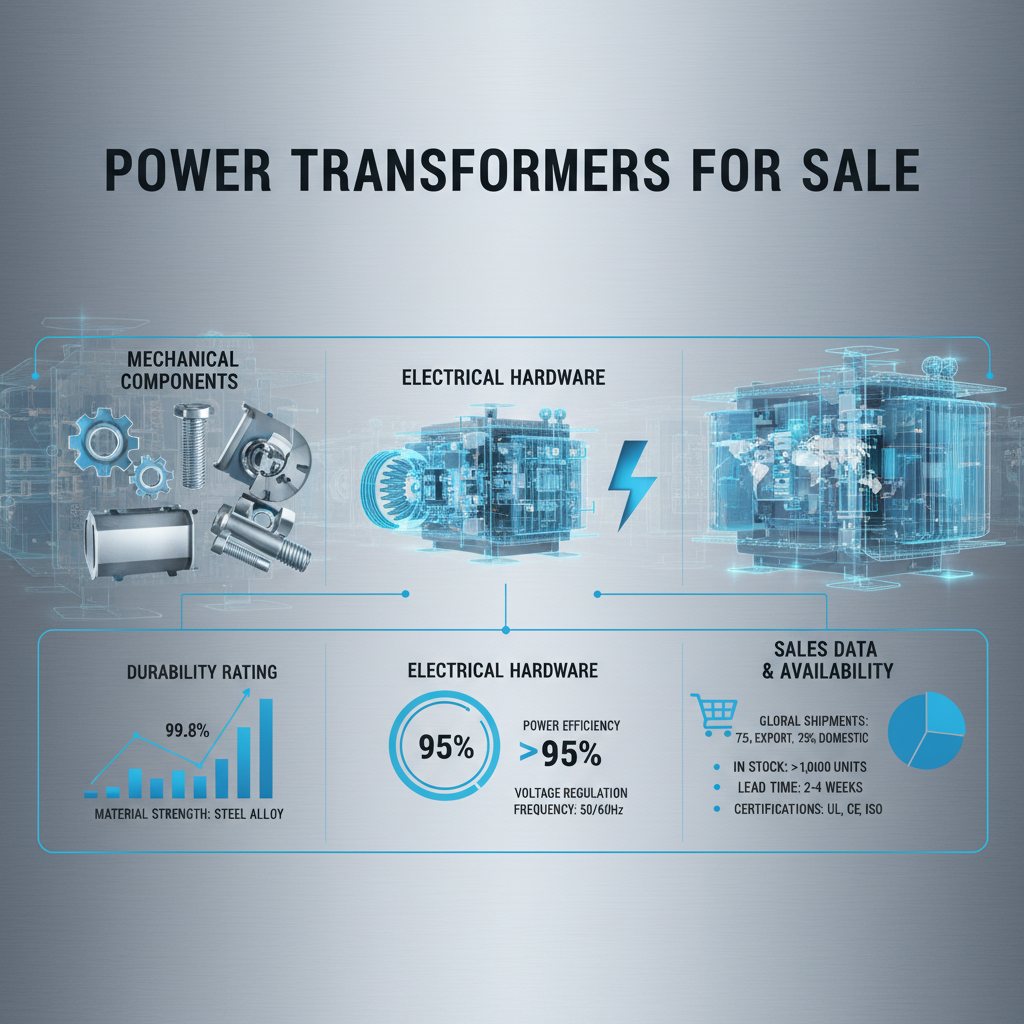
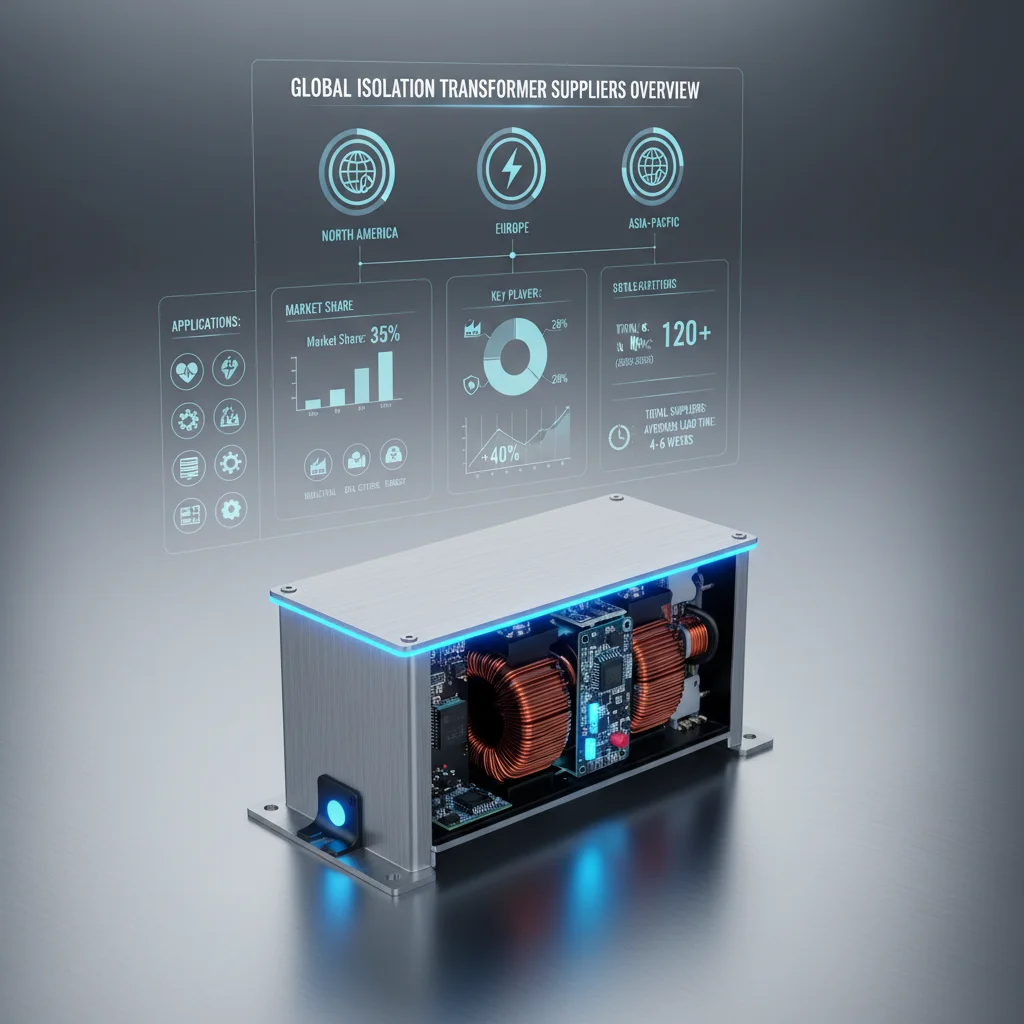
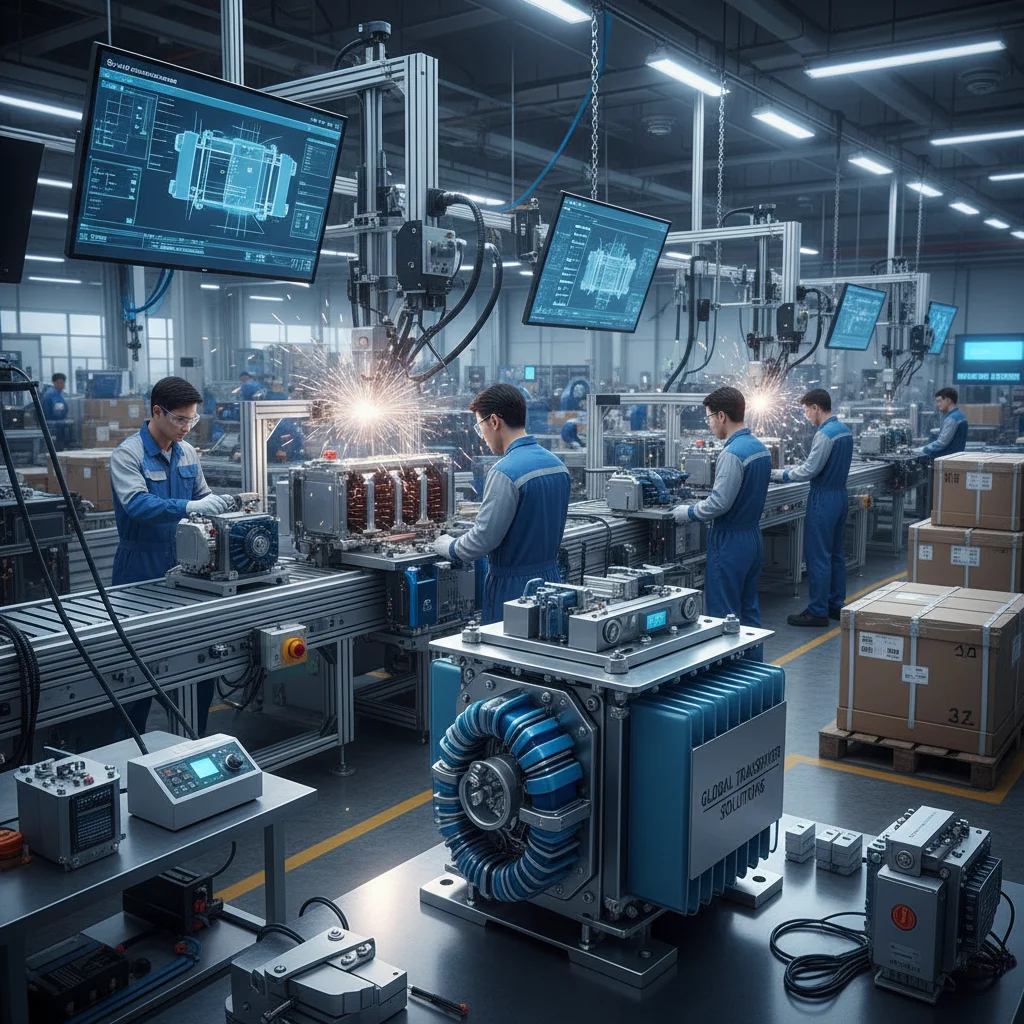
Power transformers are the unsung heroes of modern life. We take electricity for granted, flipping switches without a second thought, but behind the scenes, these robust pieces of equipment are constantly working to step voltage up for efficient transmission across vast distances, and then back down to safe levels for our homes and businesses. The market for power transformers for sale is booming, driven by aging infrastructure, increasing energy demand, and the shift towards renewable energy sources – all trends I’ve seen firsthand working on sites across the country. It’s not just about bigger grids; it’s about smarter, more reliable grids.
I’ve spent years crawling around substations, watching crews wrestle these behemoths into place. You quickly realize it’s not a commodity purchase. It’s a critical investment with long-term implications. The demand is global, spurred on by developing nations building out their power infrastructure, and the need to replace aging equipment in established economies like the US and Europe. The UN estimates that global electricity demand will increase by 3% annually through 2040, meaning the need for efficient and reliable power transformers will only intensify. It’s a challenge, especially as we face supply chain disruptions and skilled labor shortages.
Simply put, power transformers are electrical devices that transfer electrical energy between two or more circuits through electromagnetic induction. They’re essential components in the electrical power system, and their ability to efficiently and reliably manage voltage levels is critical for safe and effective electricity distribution. I've seen projects stall, costs escalate, and even safety issues arise when corners are cut on transformer quality. They’re not glamorous, but they are absolutely vital.
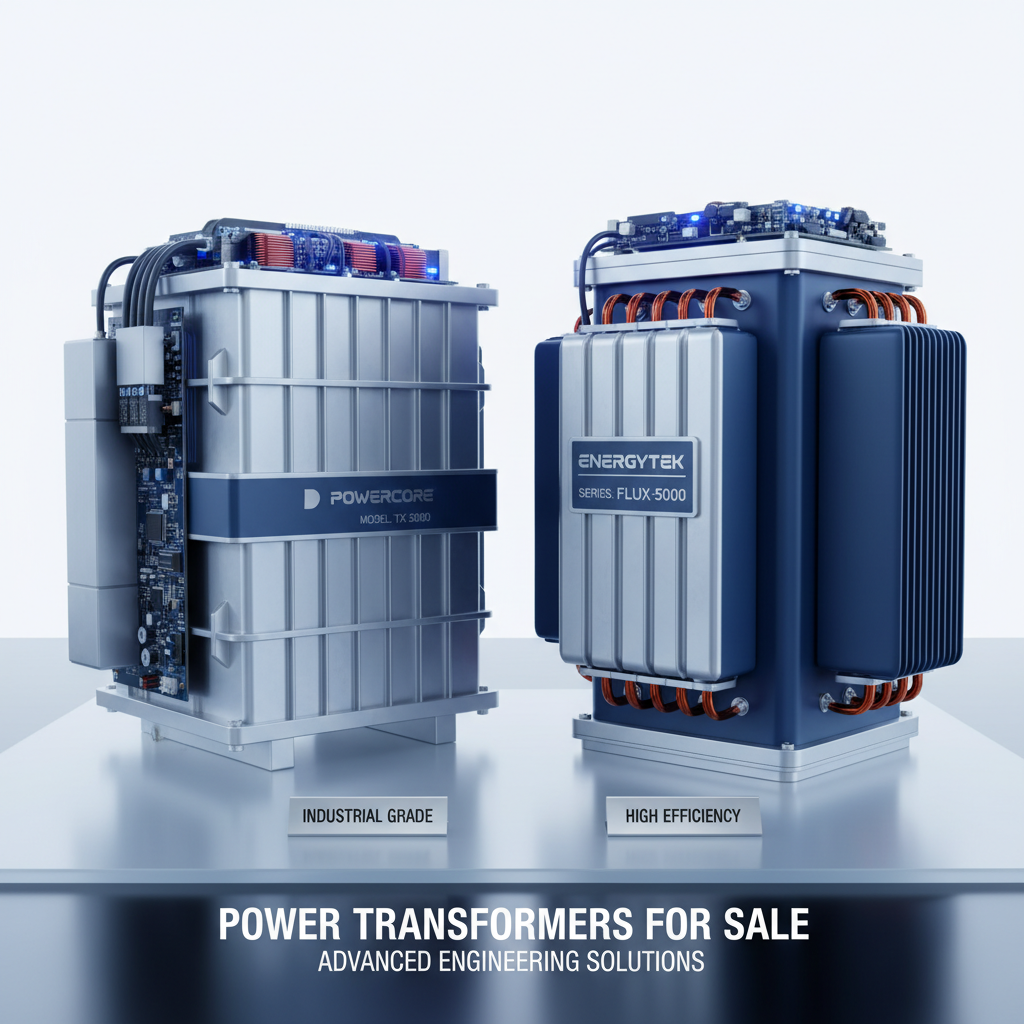
Key Considerations When Purchasing power transformers for sale
Durability is paramount. I've seen transformers that have been running for 50 years, and those that failed after just a few seasons. It's about the quality of the materials, the construction techniques, and the manufacturer’s reputation. You need to look beyond the sticker price. Scalability is also crucial. Your power needs will likely change over time, so choose a transformer that can handle future growth. We always factor in potential expansion when specifying these things.
Cost-efficiency isn't just about the initial purchase price, it's about total cost of ownership. Consider energy losses, maintenance requirements, and the lifespan of the transformer. A cheaper transformer that fails frequently will ultimately cost you more in the long run. I’ve learned this the hard way, having to explain unexpected downtime to clients. Another vital aspect is proper insulation – it’s critical for safety and preventing catastrophic failures. And finally, adherence to industry standards (like IEC or IEEE) is non-negotiable. Don’t even consider anything that doesn’t meet those standards.
The Global Landscape of Power Transformer Demand
The global demand for power transformers is heavily influenced by economic growth, particularly in developing countries like India, China, and those across Southeast Asia. These regions are investing heavily in infrastructure to support their growing populations and industries. I've spent time working on projects in India, and the scale of the infrastructure build-out is staggering. We’re seeing a massive push for electrification, and that means a huge demand for transformers.
North America and Europe are experiencing a different type of demand – a need to replace aging infrastructure and modernize existing grids. The US grid, in particular, is in desperate need of upgrades. There’s also a growing focus on integrating renewable energy sources, such as solar and wind, which requires specialized transformers capable of handling intermittent power generation. I'm seeing more and more projects involving renewable energy integration, and it’s changing the way we specify transformers.
Geopolitical factors also play a role. Trade disputes and supply chain disruptions can impact the availability and cost of transformers. It's essential to work with suppliers who have robust supply chains and can mitigate these risks. I’ve seen projects delayed for months due to material shortages, and it's something we always try to anticipate and plan for. The World Bank estimates that over $2.5 trillion in infrastructure investment will be needed globally by 2030, a significant portion of which will involve power transmission and distribution equipment.
Understanding Core Components and Specifications
Let’s talk brass tacks. A transformer’s core is usually made of laminated steel, which minimizes energy losses due to eddy currents. The windings, typically made of copper or aluminum, carry the electrical current. The insulation is critical—oil-filled transformers are common, but you also see dry-type transformers for indoor applications. I've spent hours inspecting windings, checking for shorts and proper insulation.
Key specifications include kVA rating (the transformer’s apparent power capacity), voltage ratio (the ratio of input to output voltage), impedance (which affects fault current levels), and cooling method (oil-immersed, dry-type, etc.). Understanding these specs is crucial for selecting the right transformer for a specific application. You also have to consider things like ambient temperature and altitude, as these can affect transformer performance.
Don't underestimate the importance of tap changers. These allow you to adjust the voltage ratio to compensate for fluctuations in the power supply. On-load tap changers (OLTCs) allow for voltage adjustment while the transformer is energized, while off-load tap changers require the transformer to be de-energized. Choosing the right type of tap changer can significantly improve system reliability.
Practical Applications Across Industries
Power transformers are everywhere, powering everything from massive industrial facilities to small businesses and residential homes. In the oil and gas industry, they’re critical for powering pumps, compressors, and other equipment at remote drilling and refining sites. I’ve seen some seriously rugged transformers holding up in harsh environments.
In the manufacturing sector, they supply power to assembly lines, robots, and other automated equipment. Reliability is paramount in these applications, as even a brief power outage can disrupt production and lead to significant losses. The utility sector obviously relies heavily on transformers for transmitting and distributing electricity across the grid. And increasingly, we’re seeing them used in renewable energy projects, connecting solar and wind farms to the grid.
Transformer Application Ratings
Long-Term Value and Return on Investment
Investing in high-quality power transformers for sale isn't just about upfront cost; it's about long-term reliability and minimizing downtime. A transformer failure can bring an entire operation to a standstill, resulting in lost revenue and potential safety hazards. That's a cost you can't afford.
From a sustainability perspective, efficient transformers reduce energy losses, contributing to a lower carbon footprint. That's becoming increasingly important as companies face pressure to meet environmental goals. And let's not forget the social impact – reliable power is essential for modern life, supporting hospitals, schools, and critical infrastructure.
Emerging Technologies and Innovations
We're seeing a lot of innovation in transformer technology. Smart transformers, equipped with sensors and communication capabilities, can monitor their own performance and provide real-time data to grid operators. This allows for more efficient grid management and predictive maintenance.
Solid-state transformers (SSTs) are also gaining traction. These use power electronics instead of traditional magnetic cores, offering advantages like reduced size, weight, and losses. I've been following the development of SSTs closely, and I think they have the potential to revolutionize the power grid.
Another trend is the use of biodegradable insulating oils, which are more environmentally friendly than traditional mineral oils. These innovations are all aimed at making transformers more efficient, reliable, and sustainable.
Common Challenges and Practical Solutions
One of the biggest challenges is dealing with harmonic distortion, which can damage transformer windings. Using harmonic filters and properly specifying transformers with appropriate kVA ratings can mitigate this issue. Another challenge is protecting transformers from overvoltage events, which can be caused by lightning strikes or switching surges. Surge arresters are essential for protecting transformers in these situations.
Supply chain disruptions are also a major concern, as we've seen in recent years. Working with multiple suppliers and maintaining a buffer stock of critical components can help mitigate these risks. And finally, ensuring proper maintenance is crucial for extending transformer lifespan. Regular inspections, oil analysis, and cleaning can prevent costly failures.
Proper planning and attention to detail are essential when selecting, installing, and maintaining power transformers. Don't cut corners – the long-term cost of a failure far outweighs the upfront savings.
Table Summarizing Transformer Maintenance Best Practices
| Maintenance Task |
Frequency |
Required Skill Level |
Estimated Cost |
| Visual Inspection |
Monthly |
Technician Level 1 |
$50 - $100 |
| Oil Level Check |
Quarterly |
Technician Level 1 |
$100 - $200 |
| Oil Analysis (Dielectric Strength, Dissolved Gas) |
Annually |
Technician Level 2 / Lab Analysis |
$500 - $1000 |
| Bushing Inspection |
Bi-Annually |
Technician Level 2 |
$200 - $400 |
| Tap Changer Inspection & Maintenance |
Every 3-5 Years |
Specialized Technician |
$1000 - $3000 |
| Internal Inspection (Core & Windings) |
Every 10-15 Years |
Highly Specialized Engineer |
$5000+ |
FAQS
Lead times can vary significantly depending on the transformer's size, specifications, and the manufacturer’s backlog. Generally, you can expect a lead time of anywhere from 8 to 24 weeks, sometimes longer for custom builds. Supply chain issues are still impacting delivery times, so it’s essential to plan well in advance and communicate closely with your supplier. I always recommend factoring in extra time for unforeseen delays, especially on critical projects.
Determining the correct kVA rating is crucial for ensuring optimal performance and avoiding premature failure. You need to calculate the total connected load of all the equipment you'll be powering, taking into account both continuous and intermittent loads. Then, apply a safety factor of at least 25% to account for future growth and potential overload situations. It’s better to slightly overestimate the kVA rating than to undersize the transformer.
The most common cooling methods are oil-immersed (ONAN, ONAF, OFAF) and dry-type (air-cooled). ONAN refers to Oil Natural Air Natural, meaning the oil circulates naturally and is cooled by ambient air. ONAF adds a fan to increase airflow. OFAF adds oil pumps and fans for forced circulation. Dry-type transformers are often used indoors and are generally quieter, but they may have a lower load capacity.
Oil-filled transformers require regular maintenance, including oil level checks, oil analysis (for dielectric strength and dissolved gas), bushing inspections, and leak detection. Oil analysis is particularly important, as it can reveal early signs of internal problems. It’s also important to keep the transformer enclosure clean and free of debris. A good maintenance program can significantly extend the transformer's lifespan.
Yes, environmental considerations are becoming increasingly important. Look for transformers that use biodegradable insulating oils and are designed for high efficiency to minimize energy losses. Proper disposal of old transformers and their components is also crucial. Many manufacturers are now offering environmentally friendly transformer options.
A step-up transformer increases voltage from the primary to the secondary winding, while a step-down transformer decreases voltage. Step-up transformers are typically used in power transmission to reduce current and minimize losses over long distances. Step-down transformers are used closer to end-users to reduce voltage to safe levels for residential and commercial applications. The voltage ratio determines whether a transformer is step-up or step-down.
Conclusion
In conclusion, power transformers for sale are foundational to our modern electrical infrastructure. From ensuring reliable power delivery to supporting the integration of renewable energy sources, these often-overlooked components play a vital role in our daily lives. Choosing the right transformer requires careful consideration of factors like durability, scalability, cost-efficiency, and adherence to industry standards. It’s not just a purchase; it’s an investment in long-term reliability and sustainability.
Looking ahead, innovations like smart transformers and solid-state transformers promise to further enhance grid efficiency and resilience. Staying informed about these advancements and proactively addressing challenges like harmonic distortion and supply chain disruptions will be critical for ensuring a reliable and sustainable power supply for future generations. I encourage you to visit our website at www.xcdmagnetic.com to learn more about our range of power transformer solutions and how we can help you meet your specific needs.