
Hit enter to search or ESC to close
17 March 2026
A hiFi speaker crossover is the heart of any multi-way loudspeaker system, meticulously directing audio frequencies to their appropriate drivers – woofers, tweeters, and midranges. This ensures a balanced and accurate sound reproduction. Choosing the right crossover is critical for optimizing speaker performance. This article dives deep into the world of speaker crossovers, covering types, components, design considerations, and how to select the best crossover for your audio needs. We will also explore the importance of quality components, like those offered by XCD Magnetic, in achieving superior sound quality.
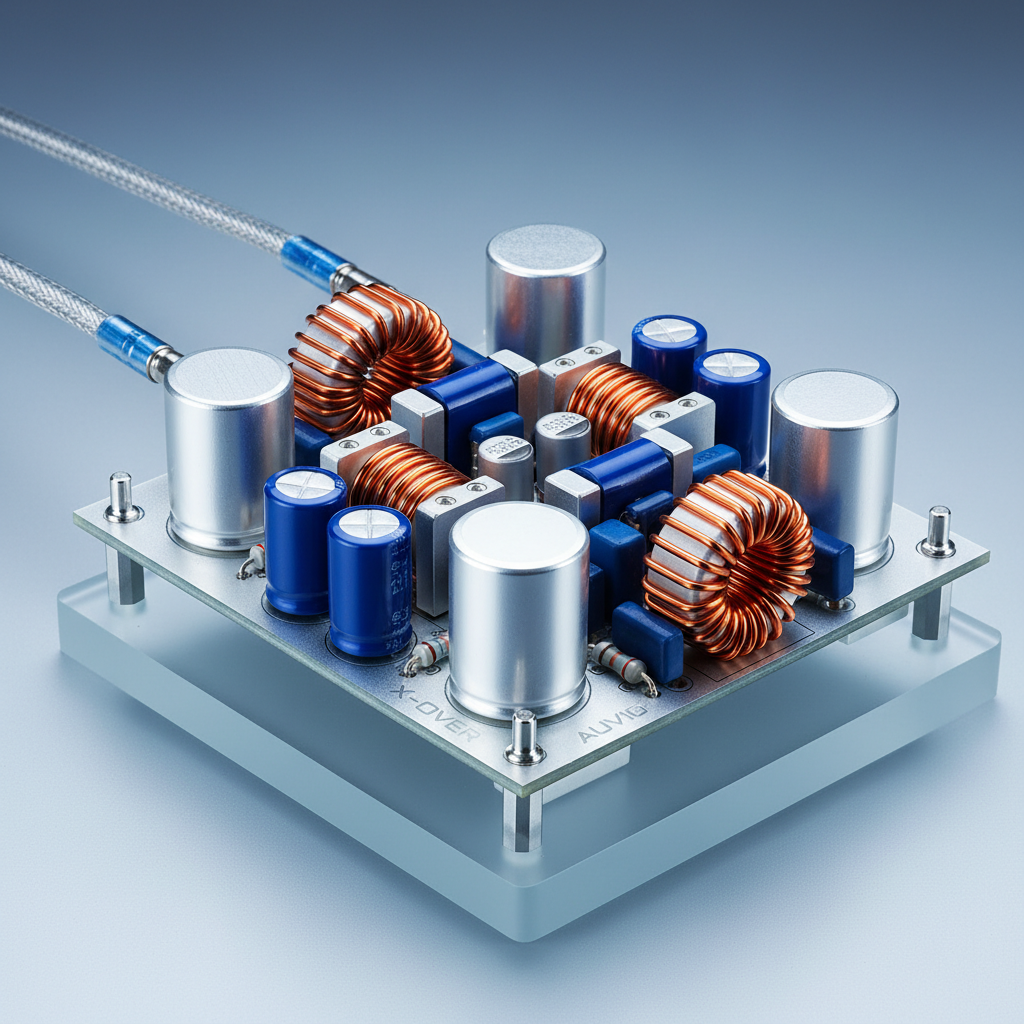
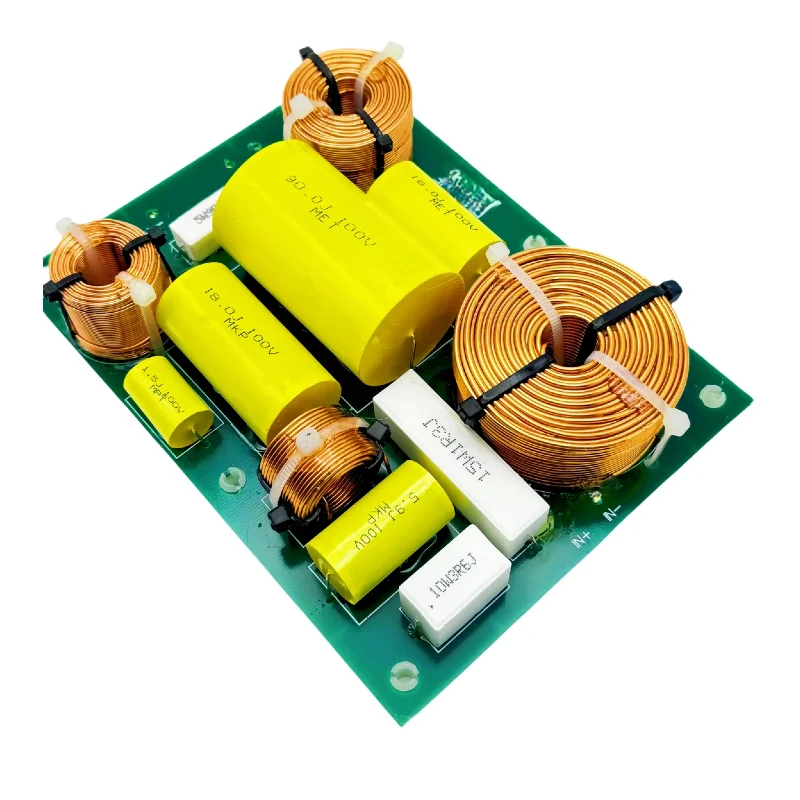
There are three primary types of speaker crossovers: passive, active, and digital. Passive crossovers are the most common, employing resistors, capacitors, and inductors to filter frequencies. They're placed between the amplifier and the drivers. Active crossovers, on the other hand, require separate amplifiers for each driver and operate at line level, offering greater control and precision. Digital crossovers (DSP) use digital signal processing for advanced filtering and equalization capabilities. Each type has its pros and cons, impacting the overall sound signature and system complexity.
Key Highlights: Passive crossovers are cost-effective, while active and digital crossovers offer superior control and customization options. Choosing the right type depends on your budget, technical expertise, and desired sound quality.
The quality of components within a hiFi speaker crossover significantly impacts its performance. Resistors attenuate signals, capacitors block low frequencies, and inductors block high frequencies. The materials used in these components – such as air-core inductors, polypropylene capacitors, and metal film resistors – directly influence the crossover's accuracy and transparency. Utilizing high-quality components, like those available from XCD Magnetic, is crucial for minimizing distortion and achieving optimal sound reproduction.
Component Quality Benefits:
• Reduced distortion and cleaner sound
• Improved frequency response accuracy
• Enhanced transparency and detail
• Increased long-term reliability
Designing an effective crossover involves careful consideration of several factors. Crossover frequency determines the point at which frequencies are split between drivers. Slope (dB/octave) dictates how quickly frequencies are attenuated. Impedance matching ensures efficient power transfer between the amplifier and speakers. The driver characteristics (frequency response, sensitivity, and impedance) are also critical to consider. A well-designed crossover seamlessly integrates the drivers, creating a cohesive and balanced soundstage.
Choosing between passive and active crossovers is a fundamental decision. Passive crossovers are simpler to implement and less expensive, but offer limited adjustment. Active crossovers provide precise control over each driver, allowing for customized equalization and optimization. However, they require separate amplification channels for each driver, increasing system cost and complexity. Here’s a breakdown:
Choosing the optimal crossover involves understanding your specific needs and system configuration. Consider the driver characteristics, desired sound signature, and budget. If you're building a custom speaker system, a carefully designed crossover is paramount. For pre-built speakers, consider upgrading the crossover components to improve sound quality. XCD Magnetic offers a wide range of high-quality components to elevate your speaker's performance.
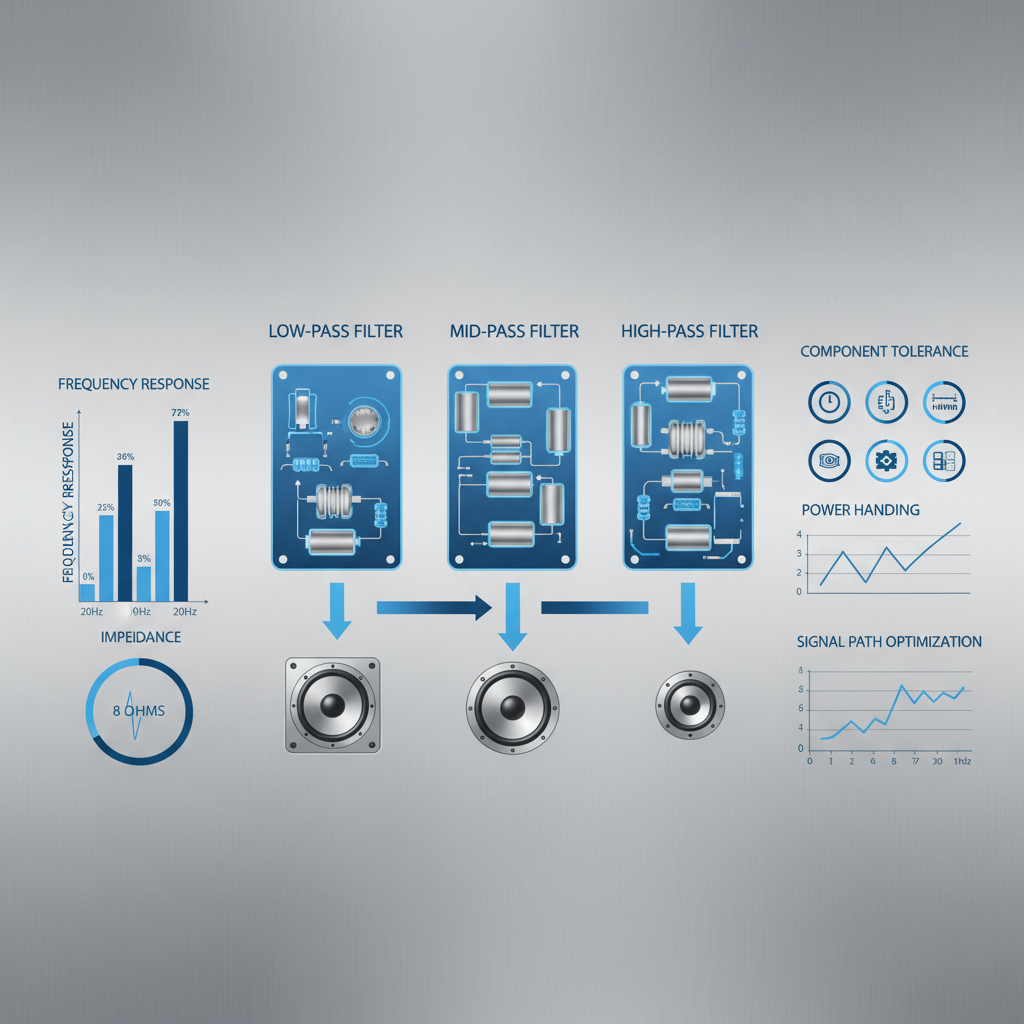
A well-designed hiFi speaker crossover is essential for achieving exceptional sound quality. By understanding the different types of crossovers, components, and design considerations, you can optimize your speaker system for a truly immersive listening experience. Investing in high-quality components from trusted suppliers like XCD Magnetic is a step towards audio perfection.
The ideal crossover frequency for a two-way speaker depends on the specific drivers used. Generally, a range of 2kHz to 3kHz is a good starting point. However, it’s crucial to consider the drivers’ frequency responses and sensitivities. Experimentation and measurements are often required to find the optimal frequency that provides a seamless transition between the tweeter and woofer. A lower crossover frequency can strain the tweeter, while a higher frequency might limit the woofer's upper-frequency extension. Software tools and impedance measurements can help determine the most effective crossover point.
The slope of a crossover (expressed in dB/octave) determines how quickly frequencies are attenuated above or below the crossover frequency. Common slopes are 6dB/octave, 12dB/octave, and 24dB/octave. Higher slopes offer steeper attenuation, providing better driver protection and minimizing overlap. However, steeper slopes can introduce phase shifts and potentially affect sound quality. A 12dB/octave slope is a good balance for most applications, offering adequate driver protection without significant phase distortion. The driver's specifications and the desired sound characteristics will influence the ideal slope.
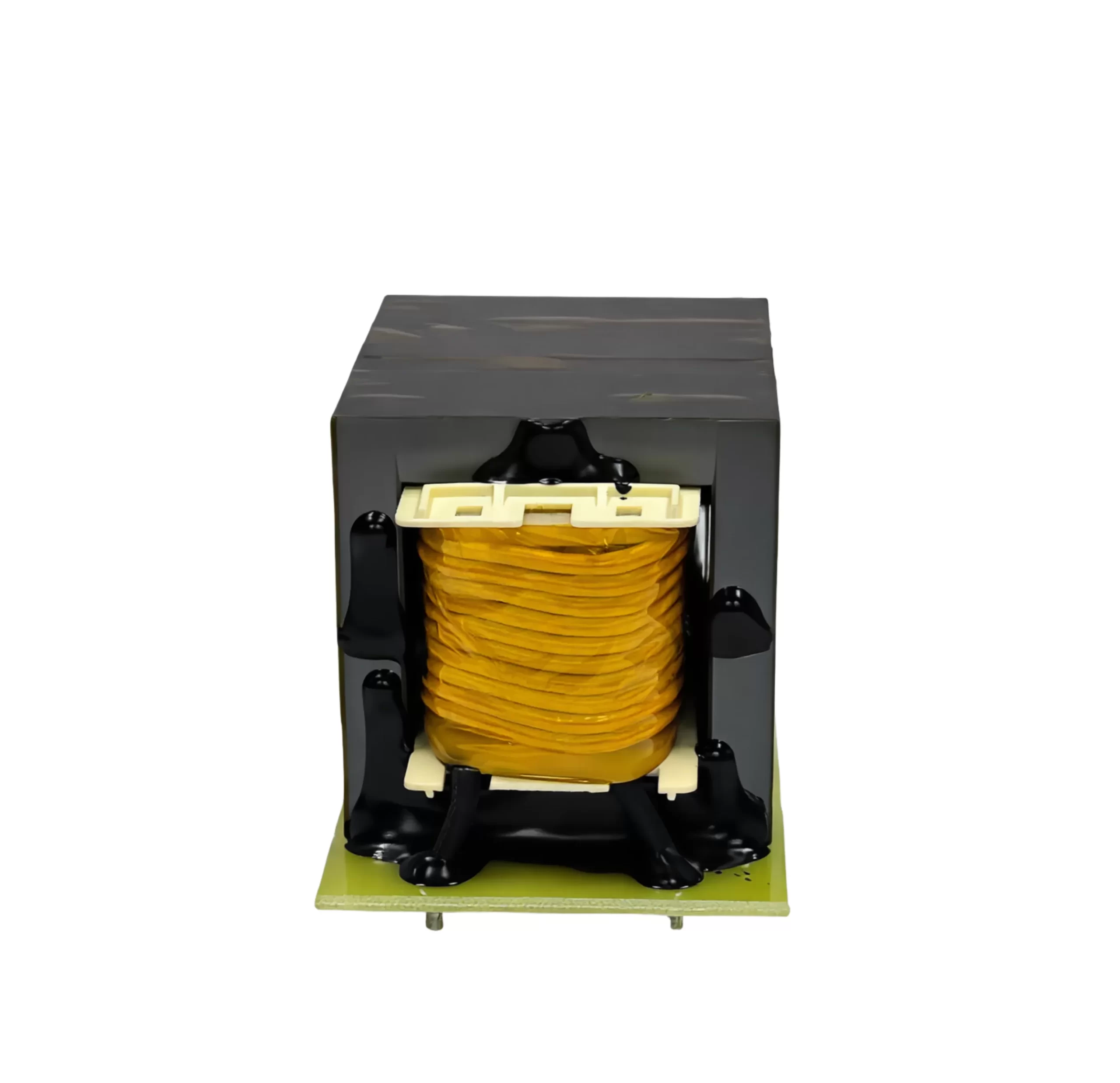
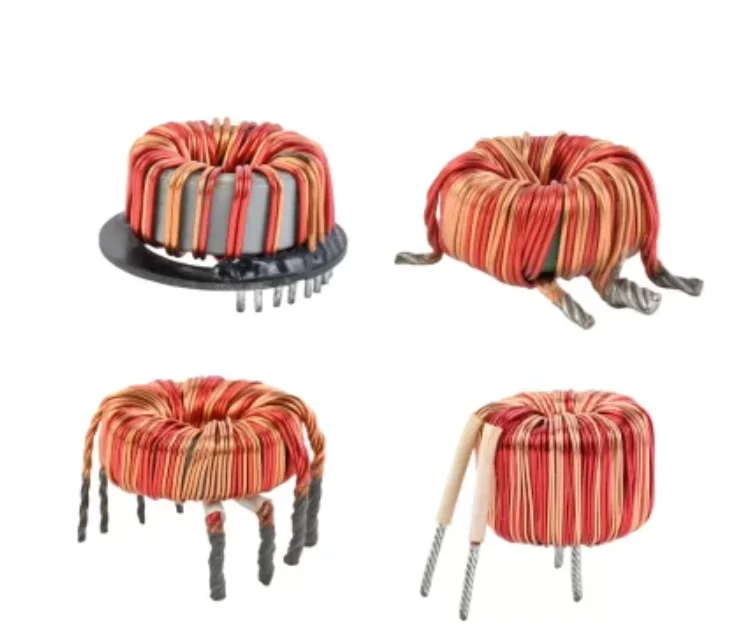
Air-core inductors are generally preferred for high-quality hiFi speaker crossovers because they minimize distortion and offer excellent linearity. Iron-core inductors are more compact and provide higher inductance for a given size, but they can introduce saturation and distortion at higher power levels. The wire gauge used in the inductor also affects its performance – thicker wire reduces resistance and improves efficiency. XCD Magnetic offers precision air-core inductors designed for optimal audio performance.