
Hit enter to search or ESC to close
14 March 2026
Choosing the right full range speaker crossover is crucial for optimizing your audio experience. A crossover network directs audio frequencies to the appropriate drivers in a speaker system, ensuring clear, balanced sound. This article will delve into the intricacies of full range speaker crossovers, exploring their types, components, design considerations, and how to choose the best one for your needs. We'll uncover why these components are fundamental to high-fidelity audio reproduction and explore the options available from XCD Magnetic.
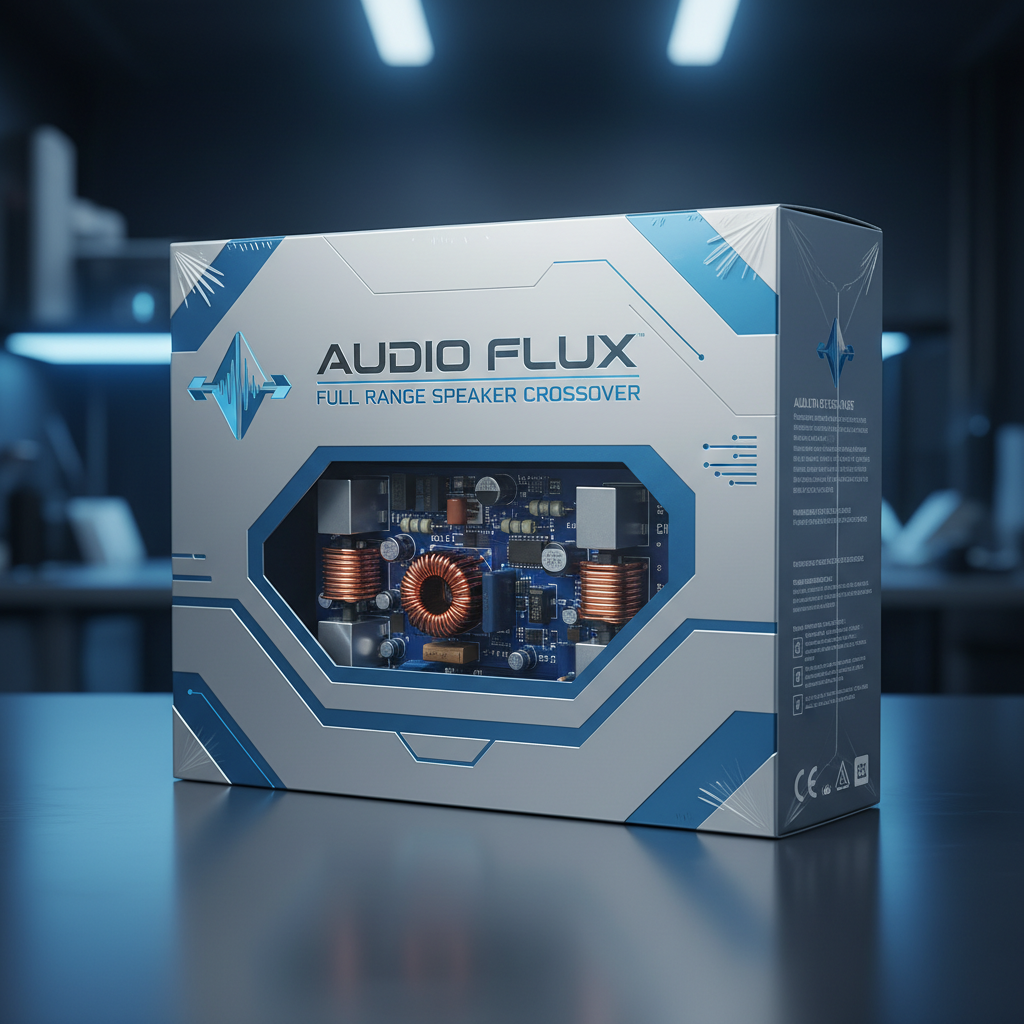
At its core, a full range speaker crossover is an electronic circuit that separates the audio signal into different frequency bands. These bands are then sent to the appropriate speaker drivers – typically woofers (low frequencies), mid-range drivers (middle frequencies), and tweeters (high frequencies). In the case of a full range speaker, the crossover is designed to filter out unwanted frequencies, enhancing the clarity and fidelity of the sound produced. Without a crossover, all frequencies would be sent to all drivers, resulting in distortion and inefficient performance. Proper crossover design is a blend of science and art, requiring careful component selection and precise calculations.
Key Benefit: Optimizing frequency response and preventing driver damage by ensuring each driver operates within its designed range.
There are several types of crossovers, each with its own advantages and disadvantages. The most common types include:
Crossover Type Comparison:
• Passive: Simple, affordable, potential signal loss.
• Active: Precise, requires power, more complex.
• Linkwitz-Riley: Smooth response, minimal phase shift.
A well-designed full range speaker crossover relies on several key components:
The quality of these components significantly impacts the overall performance of the crossover. XCD Magnetic sources premium components to ensure exceptional sound quality and reliability in their crossover products.
Selecting the best crossover depends on your specific needs and the characteristics of your speakers. Here's a comparison to help you make an informed decision:
At XCD Magnetic, we specialize in providing high-quality full range speaker crossovers designed to deliver exceptional audio performance. Our products are meticulously engineered and rigorously tested to ensure reliability and sonic accuracy. We offer a range of options to suit various speaker configurations and listening preferences.
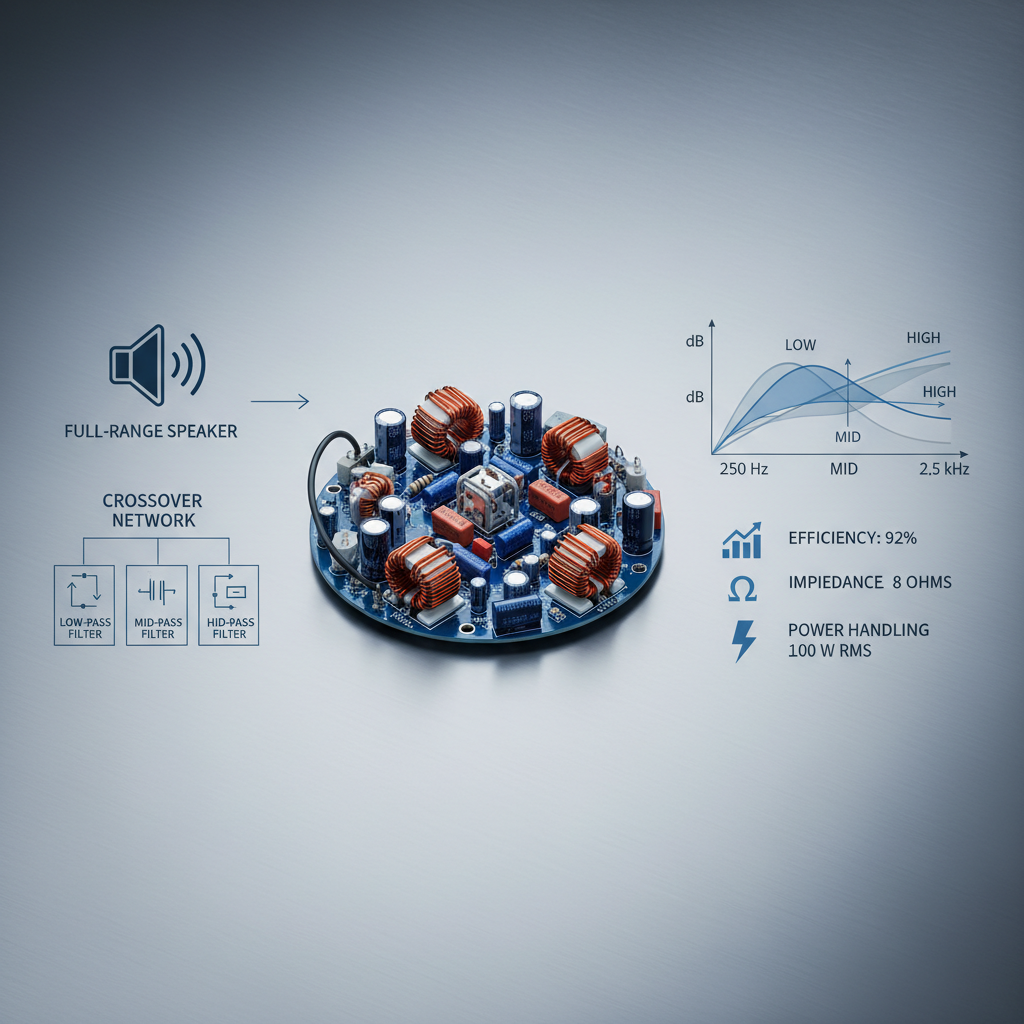
Investing in a quality full range speaker crossover is a critical step towards achieving optimal audio reproduction. From passive to active and Linkwitz-Riley designs, understanding the different types and components will empower you to make the right choice for your specific setup. XCD Magnetic is dedicated to delivering top-tier crossover solutions that enhance your listening experience.
The ideal crossover frequency depends heavily on the specific full-range driver being used and its frequency response characteristics. Generally, frequencies between 2kHz and 5kHz are common starting points. The goal is to find a frequency where the full-range driver begins to roll off in output, allowing the tweeter to take over seamlessly. Careful listening tests and frequency response measurements are crucial for determining the optimal crossover point. It's often a process of experimentation and adjustment to achieve the best sonic balance. Factors such as driver dispersion and room acoustics also play a role in the optimal crossover selection.
Impedance matching is vital for ensuring efficient power transfer and preventing damage to the amplifier and drivers. A crossover network needs to present a relatively stable impedance load to the amplifier across the entire frequency range. Mismatched impedance can lead to reduced power output, distortion, and potentially overheating. Crossover components like resistors and inductors are strategically used to shape the impedance curve, ensuring it remains within acceptable limits for the amplifier. At XCD Magnetic, impedance matching is a critical aspect of our crossover design process.
Several signs indicate your crossover might need replacement. These include distorted sound, a noticeable lack of clarity in specific frequencies, reduced overall volume, or a buzzing or humming sound emanating from the speaker. Physical inspection can reveal damaged components – burnt resistors, bulging capacitors, or cracked inductors. If you've tried troubleshooting other potential issues (like speaker wiring) and the problems persist, a faulty crossover is a likely culprit. Replacing a damaged crossover with a high-quality unit from XCD Magnetic can restore your speakers to their original performance.
Whether an active or passive crossover is "better" depends on your specific needs and budget. Active crossovers offer greater flexibility, precision, and control over the frequency response, but they require an external amplifier channel for each driver, increasing complexity and cost. They also introduce the potential for noise and distortion from the active components. Passive crossovers are simpler and more affordable, but they can introduce signal loss and offer less precise control. For high-end systems where ultimate performance is paramount, active crossovers are often preferred. However, for many applications, a well-designed passive crossover can deliver excellent results.