
Hit enter to search or ESC to close
8 March 2026
When optimizing audio systems, the crossover network plays a crucial role in directing frequencies to the appropriate speaker drivers. An external crossover for speakers offers advantages over built-in crossovers, providing flexibility and potentially superior performance. This article will explore the benefits, components, design considerations, and applications of external crossover networks, catering to both audio enthusiasts and professionals. We will delve into how choosing the right crossover can dramatically improve your sound system’s fidelity and efficiency.
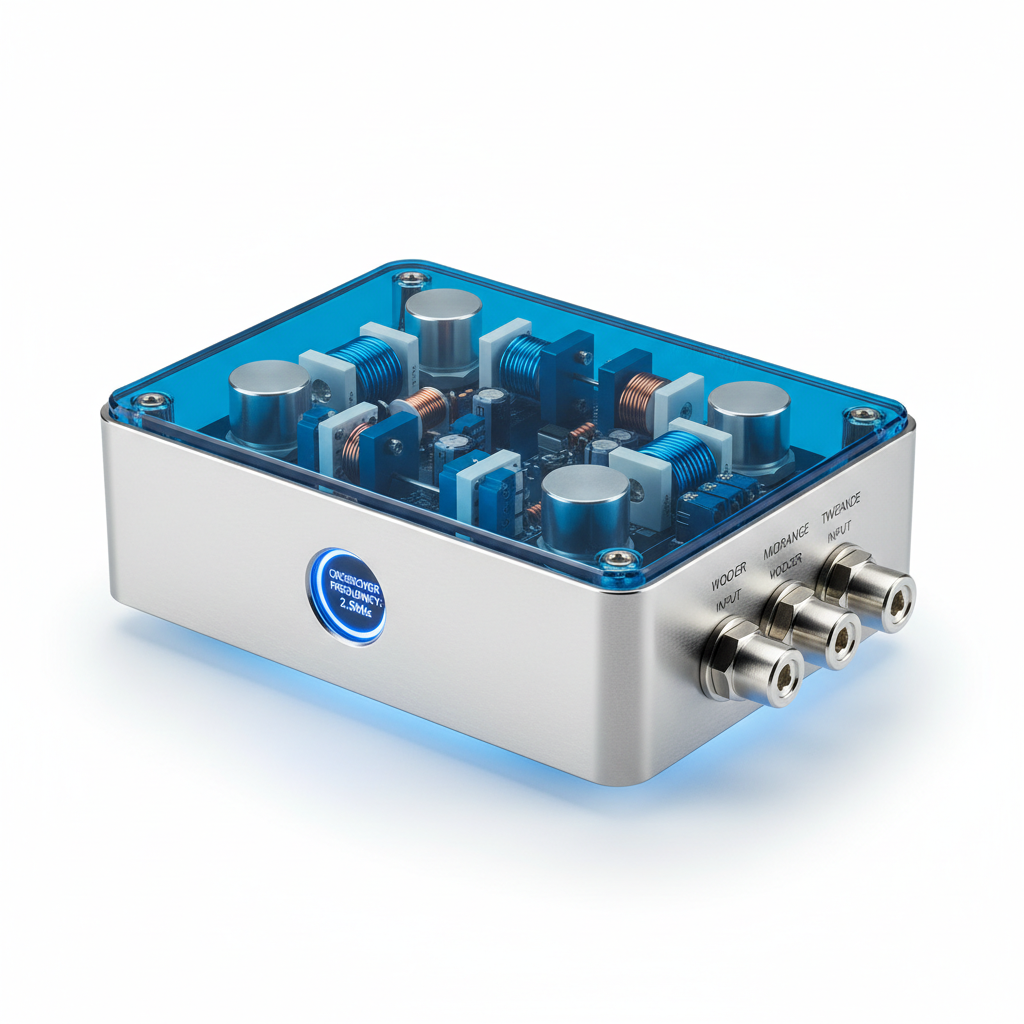
Unlike integrated crossovers found within speaker cabinets, external crossovers reside in a separate enclosure. This separation offers significant benefits. Primarily, it allows for the use of higher-quality components, such as larger inductors and more robust capacitors, without size constraints. Secondly, it enables easy modification and experimentation with different crossover slopes and frequencies. This flexibility is invaluable for fine-tuning the sound to personal preferences or specific room acoustics. Finally, external crossovers minimize interference between the crossover components and the speaker drivers, potentially improving clarity and reducing distortion. XCD Magnetic specializes in providing high-quality components for building these superior networks.
Key Benefits: Higher-quality components, easy modification, reduced interference, and improved sound clarity.
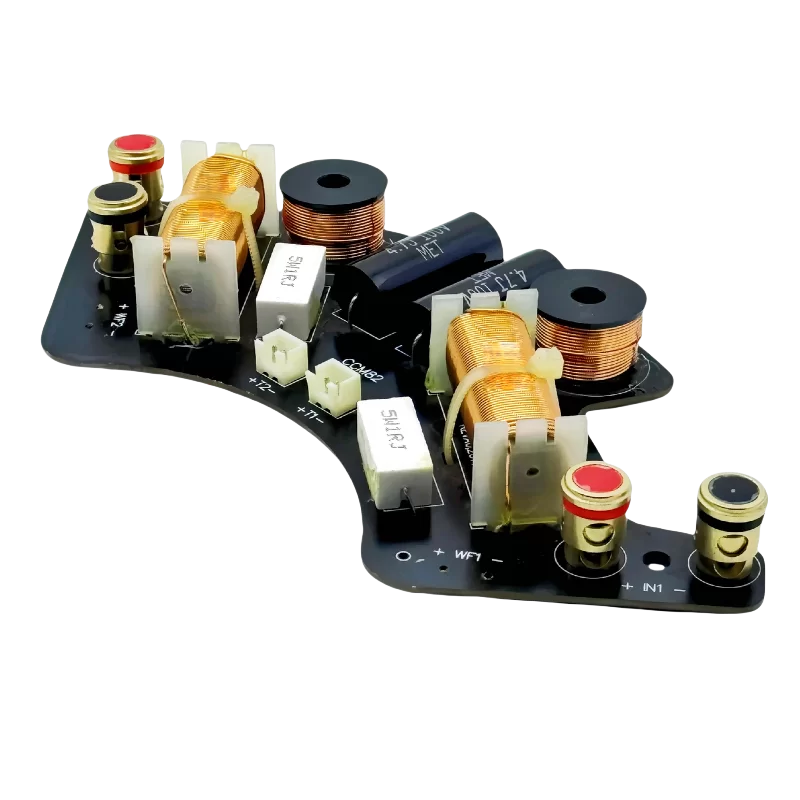
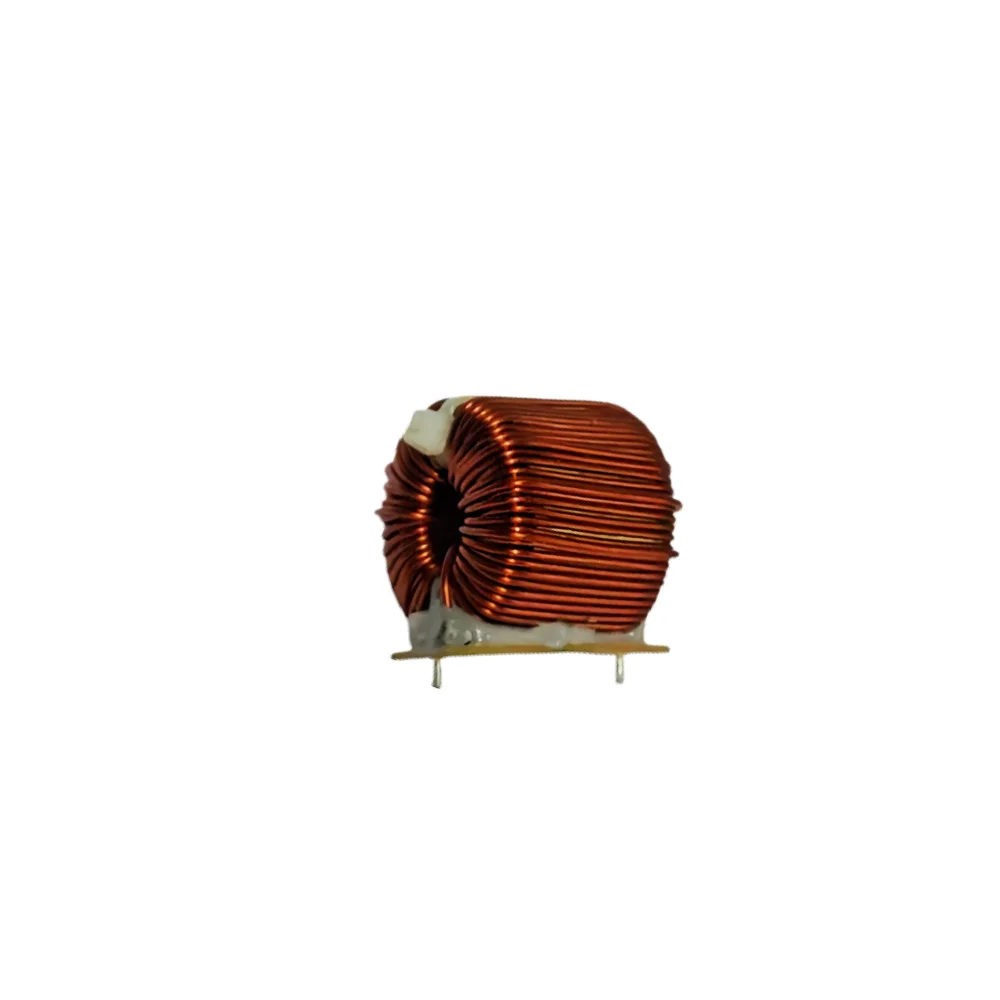
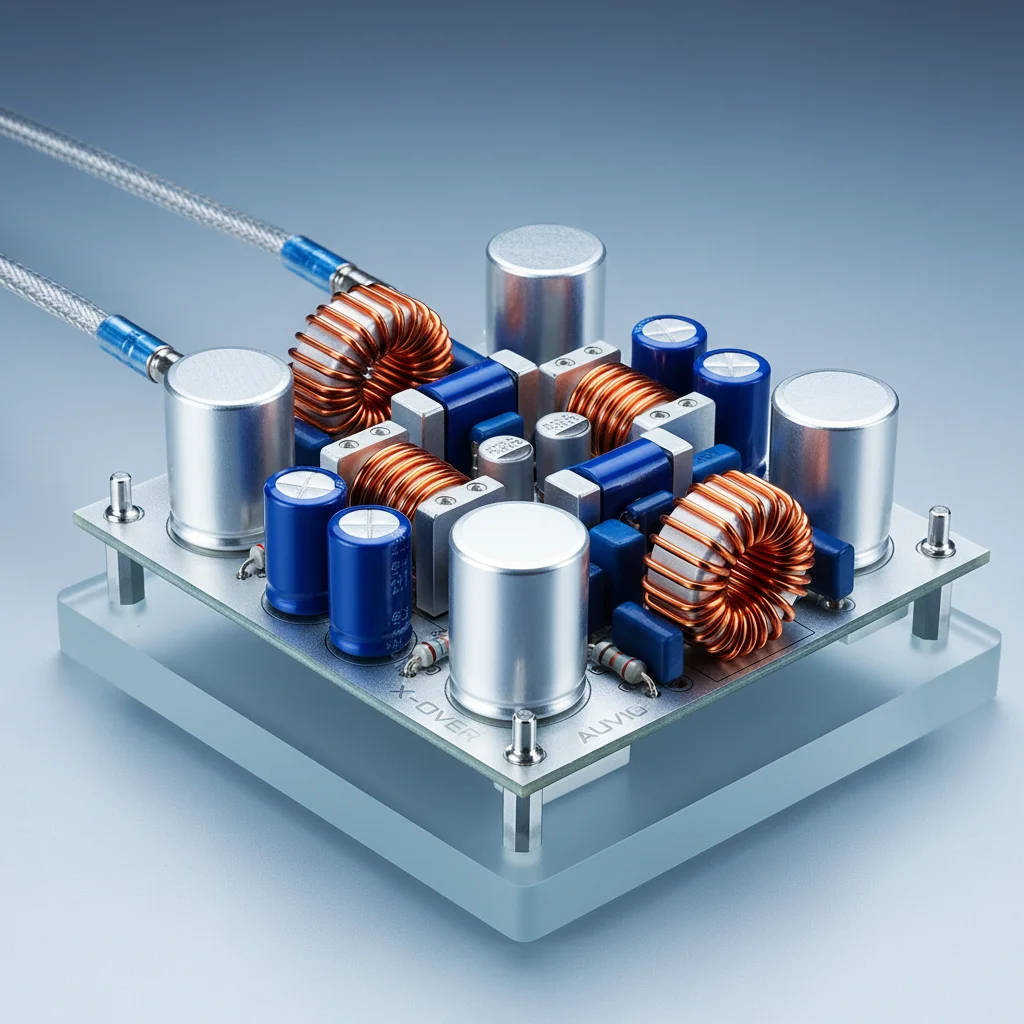
An external crossover network primarily consists of three core components: capacitors, inductors (coils), and resistors. Capacitors block low frequencies while allowing high frequencies to pass. Inductors do the opposite – they block high frequencies and allow low frequencies to pass. Resistors are used to attenuate specific frequencies and provide impedance matching. The precise values of these components determine the crossover frequency, which is the point where frequencies are divided between the tweeter and woofer (or other drivers). Careful selection and precise matching of these components are critical for optimal performance. Choosing components from a reputable source, like XCD Magnetic, ensures quality and consistency.
Component Functions:
• Capacitors: Block low frequencies.
• Inductors: Block high frequencies.
• Resistors: Attenuate frequencies & impedance matching.
Designing an effective external crossover requires careful consideration of several factors. The first is the impedance of your speakers – typically 4, 6, or 8 ohms. The crossover frequency must be chosen to suit the drivers being used. The slope of the crossover – measured in dB per octave – determines how quickly frequencies are attenuated. Steeper slopes (e.g., 24 dB/octave) provide more precise separation but can introduce phase shift. The component quality significantly impacts sound quality; using higher-tolerance components and air-core inductors generally yields better results. Proper layout and shielding within the crossover enclosure are also crucial to minimize unwanted interactions and noise.
External crossovers are utilized in a wide range of audio applications, from high-end home stereo systems to professional recording studios and live sound reinforcement. They are particularly beneficial when upgrading existing speakers with improved drivers, as a custom crossover can optimize performance. DIY speaker projects frequently employ external crossovers to provide greater control over the sound characteristics. They also find use in bi-amping or tri-amping configurations, where separate amplifiers are used for different frequency ranges. XCD Magnetic provides components suitable for all these applications.
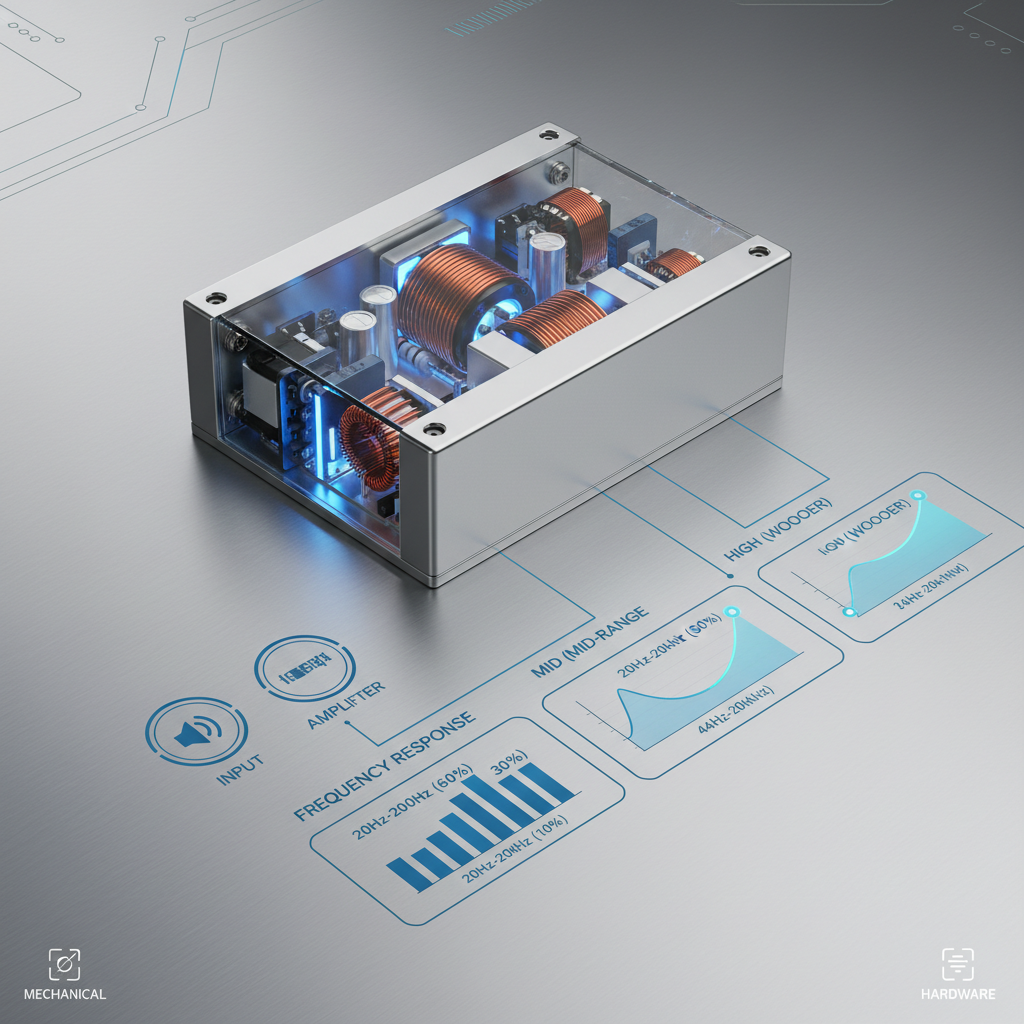
Choosing the right components for your external crossover for speakers is paramount to achieving the desired sound quality. When selecting capacitors, film capacitors (polypropylene or polyester) are generally preferred over electrolytic capacitors due to their lower distortion and higher accuracy. For inductors, air-core inductors offer the lowest distortion but can be larger and more expensive than ferrite-core inductors. Resistors should have low tolerance and good power handling capabilities. Consider the power requirements of your speakers and choose components that can handle the expected wattage. Investing in high-quality components upfront will result in a significantly better-sounding system.
An external crossover for speakers is a powerful tool for audiophiles and professionals seeking to optimize their sound systems. By understanding the benefits, components, and design considerations, you can unlock a new level of audio fidelity and control. Don't compromise on quality—choose premium components from a trusted source like XCD Magnetic to build a crossover network that truly delivers.
The cost of building an external crossover can vary significantly depending on the quality of the components used. A basic crossover with standard components might cost around $50-$100. However, a high-end crossover using premium capacitors, air-core inductors, and precision resistors can easily exceed $300 or more. Labor costs, if you are not building it yourself, would add to this total. It's a worthwhile investment for significantly improved sound quality, especially when paired with quality speakers and amplifiers. Purchasing components from a reputable supplier like XCD Magnetic can help you manage costs without sacrificing quality.
While it's possible to place the external crossover inside the speaker cabinet, it's generally not recommended. Doing so can introduce unwanted vibrations and interference, negating some of the benefits of an external crossover. Ideally, the crossover should be housed in a separate, well-damped enclosure to isolate it from the speaker drivers. A dedicated enclosure also allows for better airflow and heat dissipation.
Calculating crossover frequencies requires understanding the frequency response characteristics of your speaker drivers. The goal is to choose a frequency where the drivers transition smoothly, minimizing distortion and ensuring balanced sound. Online crossover calculators can provide a starting point, but it’s often necessary to experiment and measure the results with a microphone and audio analysis software to fine-tune the crossover points. Consider the drivers' sensitivity and dispersion patterns when selecting crossover frequencies. Consulting resources and forums dedicated to speaker design can also be helpful.
The installation of an external crossover is relatively straightforward for those with basic electronics knowledge. It involves disconnecting the existing internal crossover (if present) and connecting the speaker wires to the corresponding terminals on the external crossover. Ensure proper polarity is maintained (positive to positive, negative to negative). Securely mount the crossover enclosure in a convenient location, away from moisture and extreme temperatures. Always disconnect the amplifier before making any wiring connections.