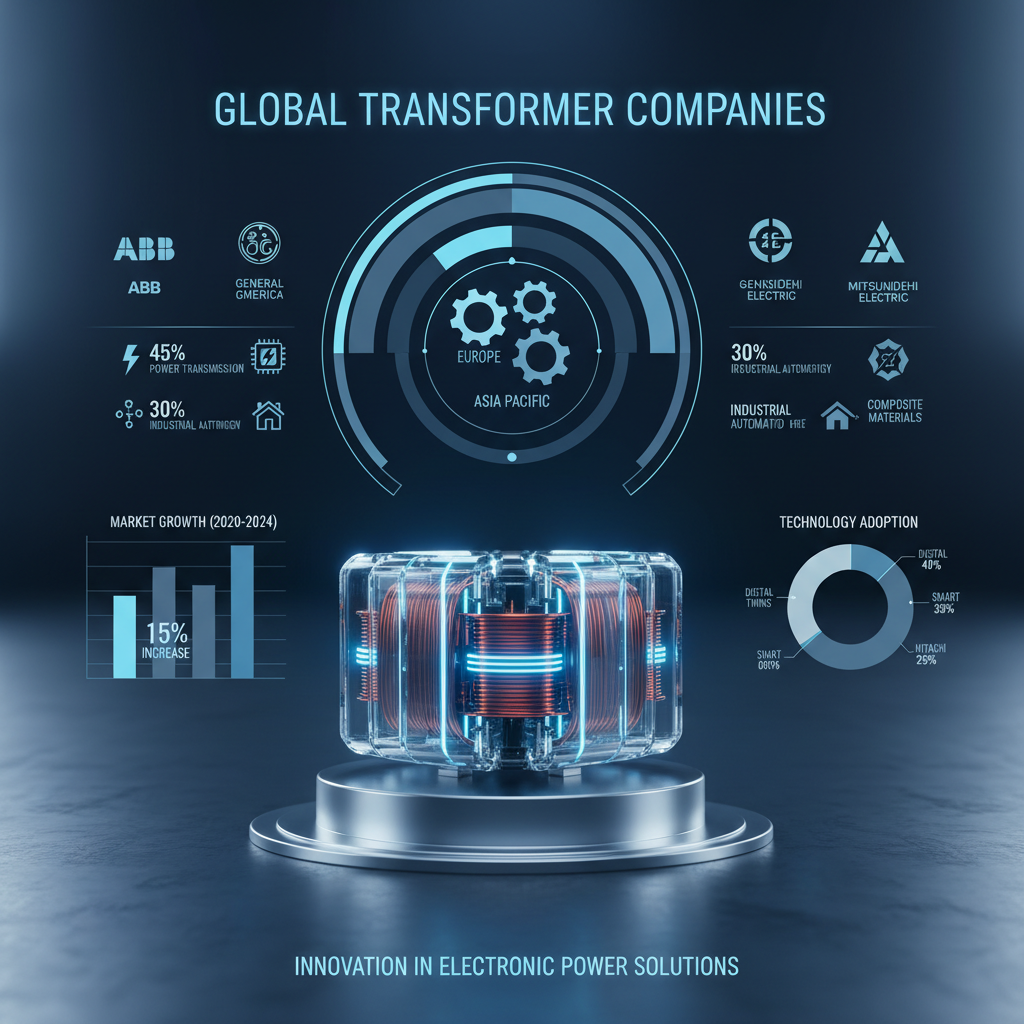
Transformer companies are at the heart of modern power distribution, essential for stepping voltage up for efficient transmission and down for safe use by consumers. These companies design, manufacture, and service a crucial component of the electrical grid, impacting everything from industrial operations to residential lighting. The global demand for reliable power continues to grow, driving innovation and expansion within the transformer industry.
The relevance of transformer companies extends beyond simply providing electricity. They play a vital role in enabling renewable energy integration, supporting smart grid technologies, and ensuring the stability of power networks worldwide. Globally, the market for transformers is significant, estimated at billions of dollars annually, with projected growth driven by infrastructure development and energy transition initiatives. The UN Sustainable Development Goal 7 (Affordable and Clean Energy) relies heavily on efficient and reliable transformer technology.
A core challenge the transformer industry addresses is balancing power demands with efficiency and sustainability. Traditional transformers, while reliable, can suffer from losses during transmission. Modern transformer companies are focused on developing solutions like amorphous core transformers and smart transformers to minimize these losses, reduce carbon footprints, and enhance grid resilience. This commitment to innovation is pivotal in a world increasingly focused on environmental responsibility.

The Role of Transformer Companies in Global Power Infrastructure
Transformer companies are foundational to the modern world’s energy systems. They aren’t simply manufacturers; they are engineering problem-solvers providing the critical link between power generation and end-user consumption. Without reliable transformers, large-scale energy delivery would be impossible, hindering economic growth and societal progress. Many transformer companies specialize in custom solutions for unique power requirements.
The importance of these companies is heightened by the increasingly complex demands on the grid, including the integration of renewable energy sources and the rise of electric vehicles. Efficient and adaptable transformers are crucial for managing the intermittent nature of renewables and ensuring grid stability. They are also vital in reducing energy loss and maximizing the efficiency of power delivery, leading to cost savings and environmental benefits.
Defining Transformer Companies and Their Impact
Transformer companies are organizations specializing in the design, manufacture, testing, installation, and maintenance of transformers – static electrical devices that transfer energy between circuits through electromagnetic induction. These companies cater to diverse sectors including power utilities, industrial facilities, renewable energy plants, and commercial buildings. Their work directly impacts the reliability and efficiency of power distribution networks.
The impact of transformer companies extends far beyond simply providing electrical components. They drive innovation in power electronics, materials science, and grid management. Transformer companies are continuously researching and developing new technologies to improve transformer performance, reduce environmental impact, and enhance grid resilience. The best companies offer comprehensive services, from initial consultation to long-term maintenance and support.
In a world reliant on consistent power, the role of transformer companies is paramount to sustained economic activity, public safety, and overall quality of life. Their expertise ensures that electricity flows smoothly and efficiently, powering homes, businesses, and critical infrastructure.
Core Components of Effective Transformer Companies
Effective transformer companies aren’t built on simply producing a product; they're built on a foundation of robust engineering expertise, stringent quality control, and dedicated customer support. These components work in concert to deliver reliable, high-performance transformers that meet the demanding needs of modern power systems. A commitment to research and development is also crucial for staying ahead in a rapidly evolving industry.
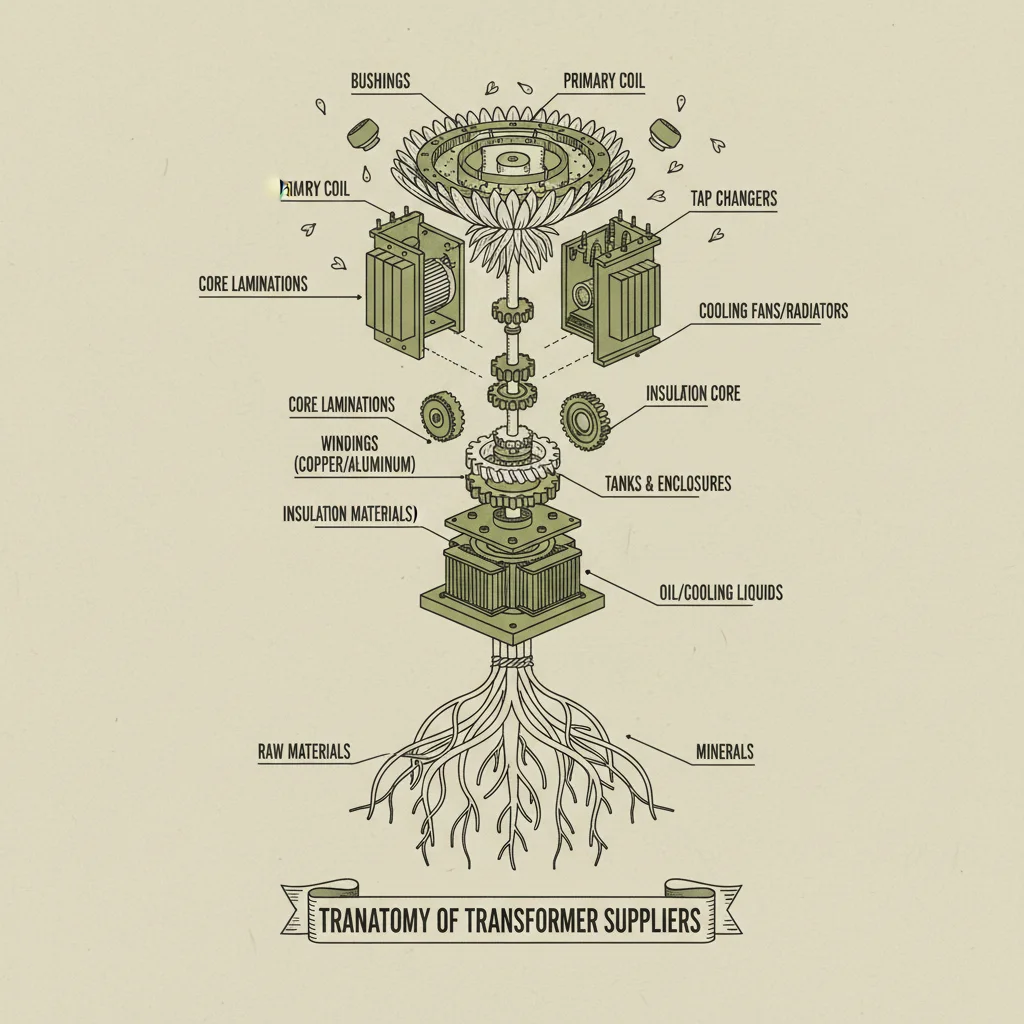
Another key component is a comprehensive understanding of industry standards and regulations. Transformer companies must adhere to strict safety and performance criteria to ensure the safe and reliable operation of their products. Compliance with standards set by organizations like IEC and ANSI is critical. Supply chain management also plays a key role, ensuring timely access to high-quality materials and components.
Finally, the ability to offer customized solutions tailored to specific customer needs differentiates leading transformer companies. Standard transformers often aren't sufficient for complex applications, so companies must possess the engineering capabilities to design and manufacture bespoke solutions that meet unique requirements. This necessitates a collaborative approach, working closely with clients to understand their challenges and deliver optimal results.
Key Performance Indicators in Transformer Companies
Evaluating the performance of transformer companies requires looking beyond just the price point of their products. Key Performance Indicators (KPIs) provide a more comprehensive assessment of their capabilities and reliability. These metrics highlight areas of strength and areas for improvement, enabling informed decision-making when selecting a partner.
Some critical KPIs include transformer efficiency ratings (measuring energy loss), failure rates (indicating product reliability), and lead times (reflecting responsiveness and supply chain efficiency). Customer satisfaction scores and the company’s responsiveness to technical support requests are also vital indicators of their commitment to service.
Transformer Company Performance KPIs
Global Applications of Transformer Companies
Transformer companies provide vital components to diverse industries across the globe. Power utilities rely on large power transformers for efficient transmission and distribution, ensuring electricity reaches homes and businesses. Industrial facilities utilize transformers for powering machinery and processes, optimizing operations. Renewable energy projects, like wind and solar farms, require specialized transformers to connect to the grid.
In developing nations, transformer companies often play a critical role in expanding access to electricity, powering economic growth and improving living standards. In remote locations, smaller distribution transformers enable localized power generation and distribution. Moreover, in post-disaster relief operations, rapidly deployable transformers are essential for restoring power to affected communities, offering a lifeline during times of crisis.
The Advantages and Long-Term Value of Partnering with Transformer Companies
The benefits of partnering with reputable transformer companies extend far beyond simply acquiring equipment. A strong partnership provides access to specialized expertise, enabling optimized system design, reduced energy losses, and enhanced grid reliability. Choosing the right company translates into long-term cost savings through improved efficiency and minimized downtime.
Furthermore, collaborating with companies focused on sustainable practices promotes environmental responsibility, aligning with growing corporate social responsibility goals. Trustworthy transformer companies provide comprehensive after-sales support, ensuring long-term operational stability and peace of mind. This collaborative approach builds enduring relationships and fosters innovation in the energy sector.
Future Trends and Innovation in Transformer Companies
The future of transformer companies is intertwined with several emerging trends, including the proliferation of smart grids, the integration of renewable energy sources, and the adoption of digital technologies. Smart transformers, equipped with sensors and communication capabilities, are enabling real-time monitoring and control of power flows, optimizing grid efficiency and enhancing resilience.
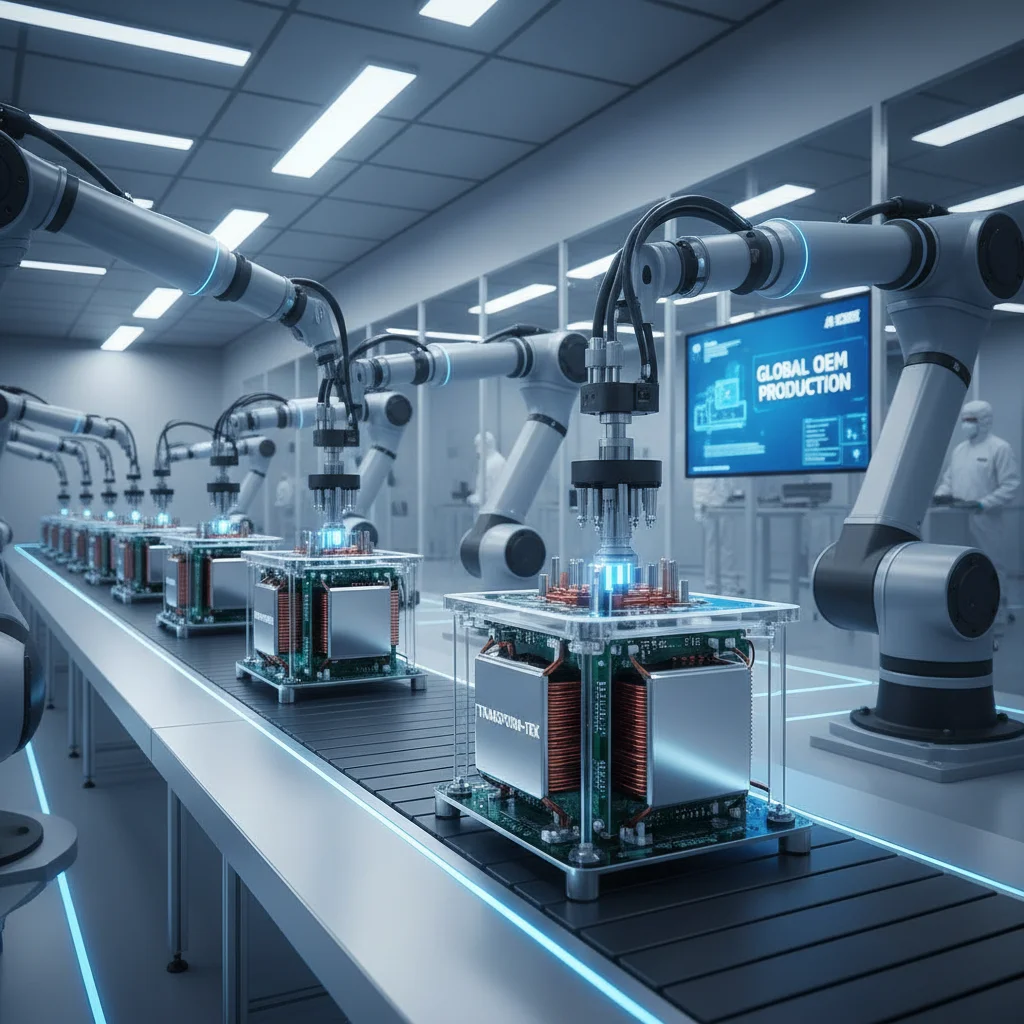
Innovative materials, like amorphous metal cores, are reducing energy losses and improving transformer performance. Digital twin technology, allowing for virtual modeling and simulation of transformer behavior, is streamlining design and maintenance processes. Automation and artificial intelligence are also playing an increasing role in transformer manufacturing and testing, enhancing quality and efficiency.
Analysis of Emerging Trends in Transformer Company Technologies
| Technology |
Impact on Efficiency |
Implementation Cost |
Long-Term ROI |
| Smart Transformer Technology |
Significant (5-10% loss reduction) |
High |
Excellent (5-7 years) |
| Amorphous Metal Cores |
Moderate (3-5% loss reduction) |
Moderate |
Good (7-10 years) |
| Digital Twin Modeling |
Indirect (Optimized design and maintenance) |
Moderate |
Good (5-8 years) |
| Automated Manufacturing |
Indirect (Improved quality control) |
High (Initial Investment) |
Excellent (Long-term cost reduction) |
| Predictive Maintenance Systems |
Indirect (Reduced downtime) |
Low-Moderate |
Good (Reduced maintenance costs) |
| Eco-Friendly Insulation Fluids |
Minimal (Environmental Benefit) |
Moderate |
Good (Enhanced sustainability) |
FAQS
The typical lifespan of a well-maintained transformer from leading transformer companies can range from 25 to 40 years, or even longer in some cases. However, this is highly dependent on operating conditions, load levels, and the quality of maintenance practices. Regular oil analysis, bushing inspections, and load monitoring are crucial for maximizing transformer lifespan. Environmental factors, such as humidity and temperature, also play a significant role.
Reputable transformer companies adhere to stringent industry safety standards, such as those set by IEC (International Electrotechnical Commission) and ANSI (American National Standards Institute). This involves rigorous testing procedures throughout the manufacturing process, including dielectric testing, impulse testing, and short-circuit testing. Companies also implement robust quality control systems and obtain certifications from accredited testing laboratories to demonstrate compliance and ensure product safety.
Amorphous core transformers offer significant energy savings compared to traditional silicon steel core transformers due to their lower core losses. This results in reduced operating costs and a smaller carbon footprint. While amorphous core transformers typically have a higher initial cost, the long-term energy savings often outweigh the upfront investment. They are particularly beneficial in applications with high load factors and continuous operation.
Transformer companies commonly offer a range of maintenance services, including routine oil analysis, bushing inspections, tap changer maintenance, load tap changer (LTC) maintenance, and transformer oil processing. They also provide diagnostic testing services, such as dissolved gas analysis (DGA) and transformer turns ratio (TTR) testing, to identify potential problems before they lead to failures. Preventative maintenance programs are crucial for ensuring reliable transformer operation.
Harmonic distortion, caused by non-linear loads, can negatively impact transformer performance and lifespan. Transformer companies address this challenge by offering K-rated transformers, which are designed to withstand harmonic currents without experiencing excessive heating. They also provide harmonic filters and other mitigation solutions to reduce harmonic distortion in power systems. Proper transformer sizing and design are crucial for minimizing harmonic-related issues.
Transformer companies play a vital role in integrating renewable energy sources, such as wind and solar, into the grid. They provide specialized transformers designed to handle the fluctuating output of these sources and ensure grid stability. They also develop smart transformers with advanced control capabilities to optimize power flow and manage intermittency. Furthermore, they offer solutions for connecting renewable energy generation facilities to the transmission and distribution networks.
Conclusion
Transformer companies are indispensable pillars of the global power infrastructure, facilitating the efficient and reliable delivery of electricity. Their dedication to innovation, quality, and sustainability is essential for meeting the evolving demands of a rapidly changing energy landscape. From enhancing grid resilience to supporting the integration of renewable energy, these companies are shaping the future of power distribution.
Looking ahead, transformer companies will continue to drive advancements in power technology, focusing on smart grid solutions, optimized energy management, and environmentally responsible practices. Investing in these technologies and partnering with reputable transformer companies is crucial for building a more sustainable and resilient energy future. Visit our website at www.xcdmagnetic.com to learn more about our innovative transformer solutions.