
Hit enter to search or ESC to close
11 February 2026
For audiophiles seeking a rich, immersive sound experience, a crossover stereo system is often the preferred choice. These systems expertly separate audio frequencies, directing them to the appropriate speakers—tweeters for high frequencies, woofers for low, and mid-range drivers for the in-between. This results in a clearer, more defined soundstage. At XCD Magnetic, we specialize in providing high-quality components for building superior crossover networks. This guide explores the core concepts, components, design considerations, and benefits of a well-engineered crossover stereo system.
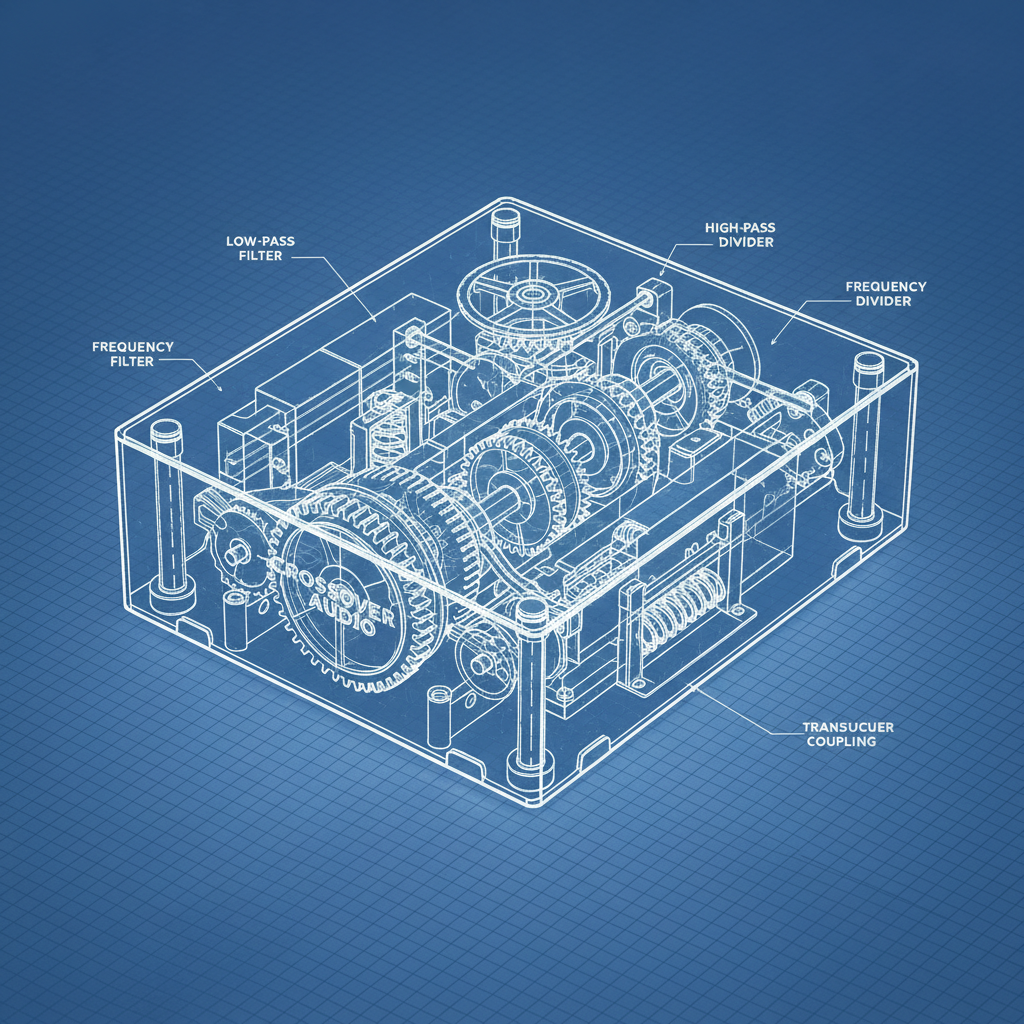
At its heart, a crossover stereo system is a filter network. It takes the full-range audio signal from an amplifier and divides it into multiple frequency bands. Each band is then sent to a speaker driver designed to reproduce those specific frequencies most effectively. Without a crossover, the entire audio signal would be sent to all drivers, resulting in muddiness, distortion, and inefficient performance. The crossover ensures that each driver operates within its optimal range, maximizing clarity and fidelity. Different types of crossovers exist, each with its own advantages and disadvantages – we’ll discuss those shortly.
Key Benefit: Properly designed crossovers dramatically improve sound quality by optimizing speaker performance across the frequency spectrum.
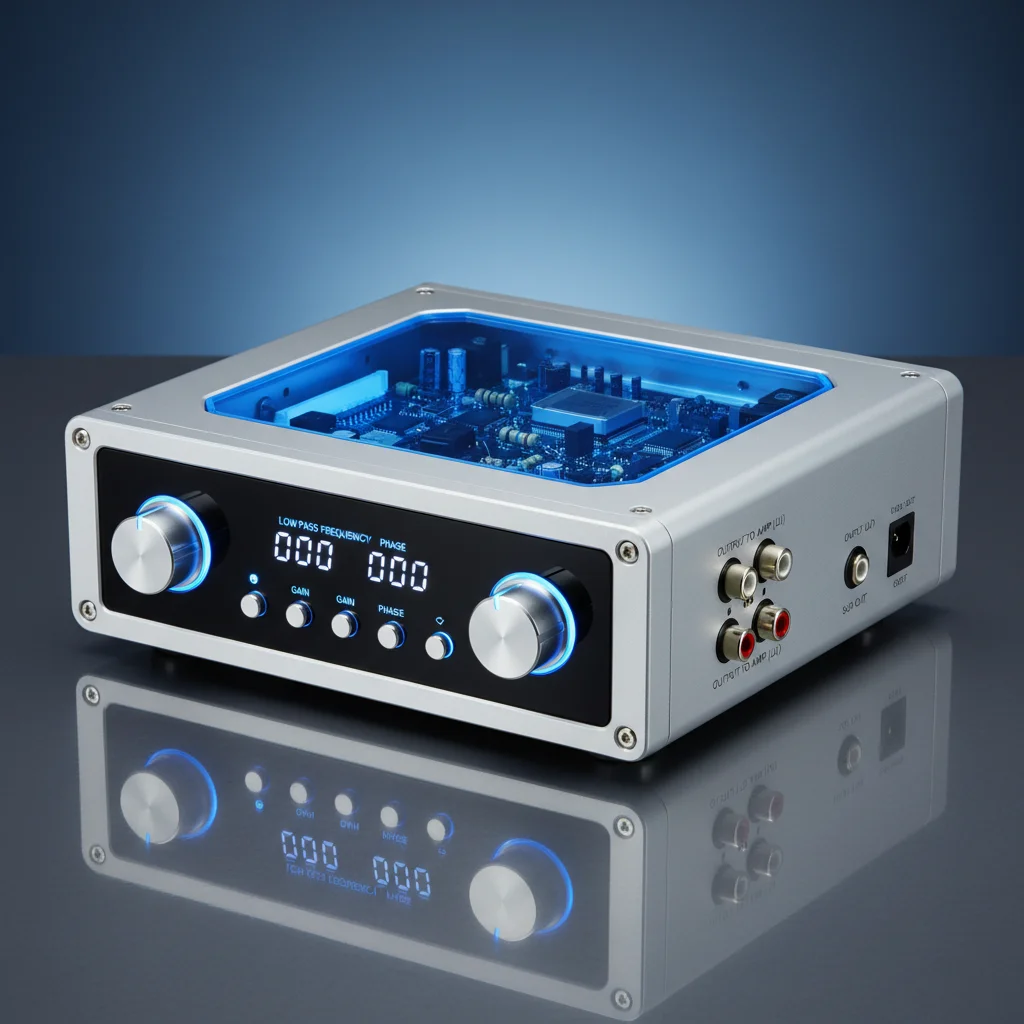
There are several types of crossover networks commonly used in stereo systems. The main ones include passive crossovers, active crossovers, and electronic crossovers. Passive crossovers use capacitors, inductors, and resistors to filter the signal after it leaves the amplifier. They are simpler and less expensive but can introduce signal loss. Active crossovers operate before the amplifier, using operational amplifiers (op-amps) to filter the signal. This provides more control and avoids signal loss, but requires a separate amplifier channel for each frequency band. Electronic crossovers are often digital signal processing (DSP) based, offering the highest level of flexibility and control.
Crossover Network Comparison:
• Passive: Simple, cost-effective, some signal loss.
• Active: More control, no signal loss, requires multiple amplifiers.
• Electronic (DSP): Highest flexibility, complex setup.
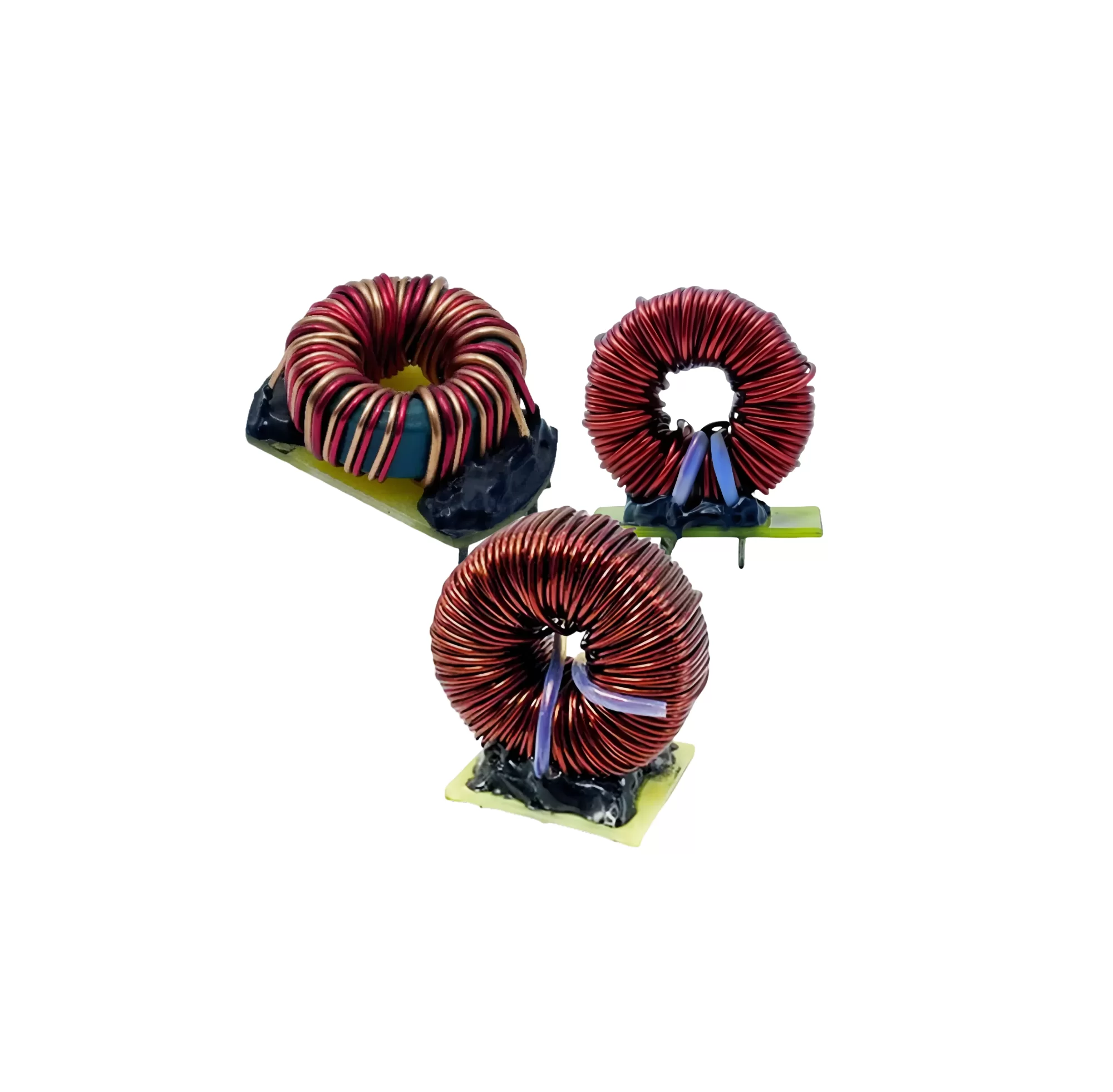
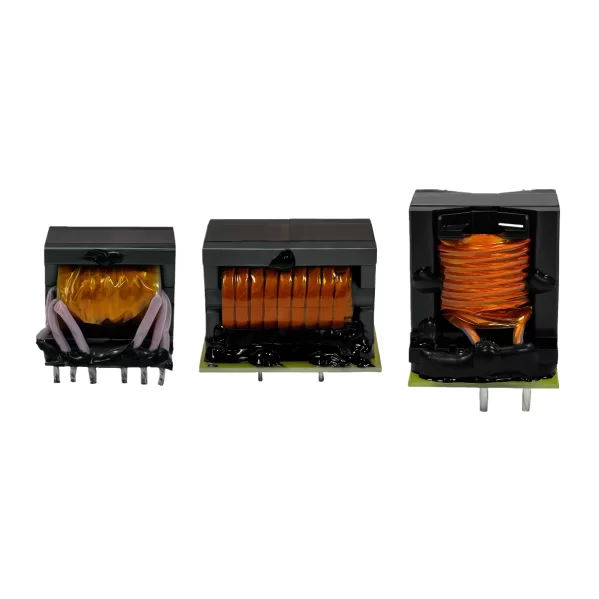
The effectiveness of a crossover stereo system hinges on the quality of its components. The core components include: Capacitors block low frequencies and pass high frequencies. Their value determines the cutoff frequency. Inductors block high frequencies and pass low frequencies, with their inductance value also influencing the cutoff frequency. Resistors are used to adjust the levels of different frequency bands and shape the crossover’s response. The quality and tolerance of these components are critical for accurate and predictable performance. XCD Magnetic provides a wide selection of high-precision components ideal for building professional-grade crossover networks.
Designing a crossover network is a complex process that requires a good understanding of speaker characteristics and acoustic principles. Key considerations include the cutoff frequencies, crossover slope (measured in dB/octave), and impedance matching. The slope determines how quickly the signal is attenuated outside the desired frequency range. A steeper slope provides better separation but can introduce phase distortion. Careful component selection and layout are also crucial to minimize interference and ensure optimal performance. Software tools and simulation programs can greatly assist in the design process.
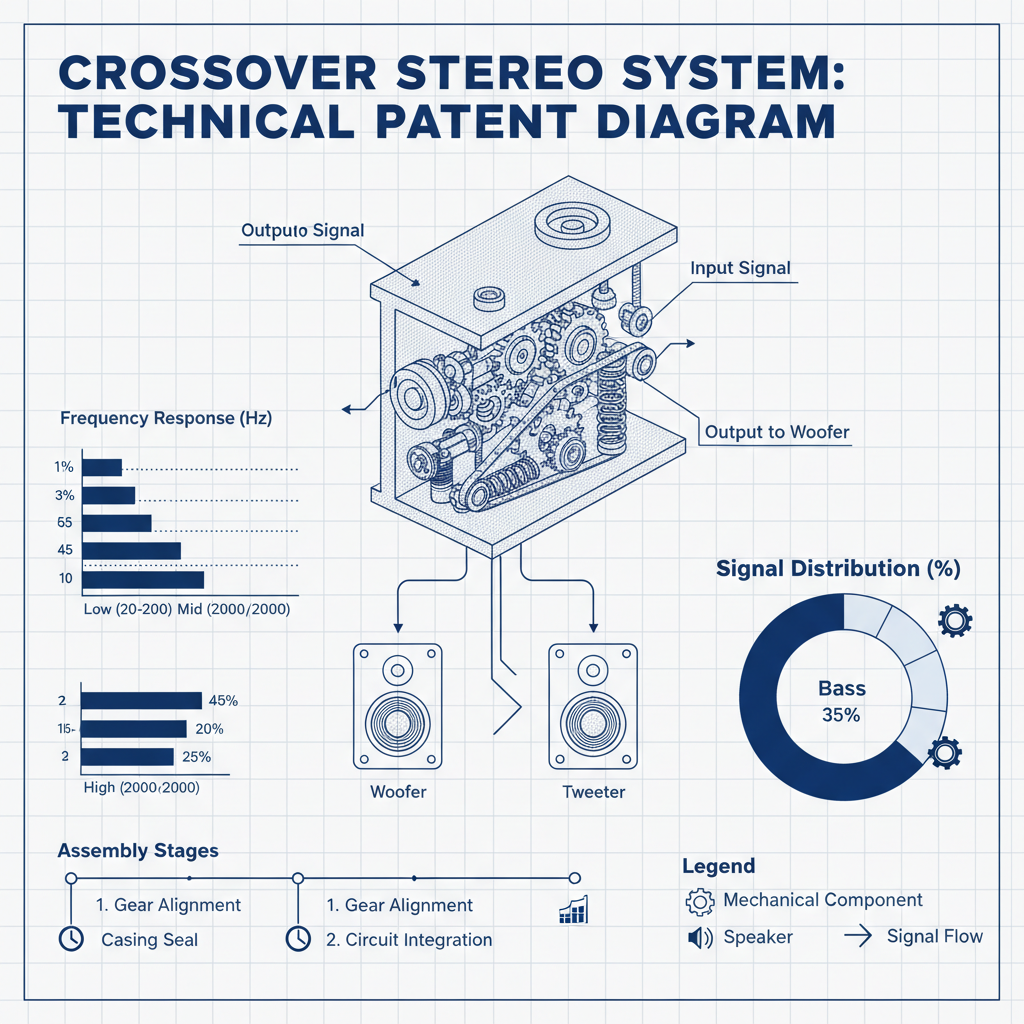
The benefits of investing in a carefully designed crossover stereo system are substantial. Improved clarity, a wider and more defined soundstage, and enhanced bass response are just a few of the advantages. By optimizing the performance of each speaker driver, a good crossover unlocks the full potential of your audio system. At XCD Magnetic, we’re dedicated to providing the components you need to achieve exceptional sound quality. We strive to empower audiophiles with the best tools to realize their sonic visions.
A well-implemented crossover stereo system is fundamental to achieving high-fidelity audio. By carefully selecting components and understanding the principles of crossover design, you can unlock the full potential of your speakers and enjoy a truly immersive listening experience. Explore the quality components available at XCD Magnetic and take your sound to the next level.
The ideal crossover slope depends on several factors, including the driver characteristics, cabinet design, and listening preferences. Common slopes include 6dB/octave, 12dB/octave, and 24dB/octave. A steeper slope (e.g., 24dB/octave) provides better separation but can introduce phase distortion. A gentler slope (e.g., 6dB/octave) offers a more natural sound but may result in some overlap between drivers. Experimentation and listening tests are often the best way to determine the optimal slope for your specific setup. Consider the crossover slope when selecting components from XCD Magnetic.
Component selection is critical for crossover performance. Choose capacitors, inductors, and resistors with low tolerances and high-quality construction. Film capacitors are generally preferred over electrolytic capacitors for their superior performance. Air-core inductors are often favored for their low distortion. Resistors should have a power rating sufficient for the signal levels they'll be handling. At XCD Magnetic, we provide detailed specifications and expert guidance to help you select the right components.
Yes, it is! Building your own crossover network is a rewarding project for experienced DIYers. It allows you to customize the crossover to your specific speakers and preferences. However, it requires a good understanding of crossover design principles, soldering skills, and access to quality components. XCD Magnetic offers a comprehensive selection of components and resources to support your DIY crossover project.
Component placement within the crossover network can affect its performance. Keep components physically separated to minimize unwanted interactions and interference. Avoid routing signal wires parallel to power supply wires. Securely mount components to prevent vibration. A well-organized and carefully laid-out crossover network will contribute to improved sound quality. Use high-quality materials from XCD Magnetic to ensure stability and reliability.