Step down transformers are crucial components in modern electrical systems, facilitating the safe and efficient delivery of power to a wide range of applications. A reliable step down transformer manufacturer is therefore essential to global infrastructure, ensuring consistent energy supply and preventing equipment damage. Understanding their function and importance is vital in a world increasingly reliant on electricity.
The demand for step down transformers is driven by industrial growth, urbanization, and the expanding adoption of electrical devices in both developed and developing nations. Selecting the right step down transformer manufacturer directly impacts the efficiency and reliability of power distribution networks. Investing in quality transformers minimizes downtime and maximizes energy savings.
As global energy demands continue to rise, and with a focus on efficient power delivery, the role of step down transformer manufacturers becomes even more critical. They are fundamental for ensuring compatibility between high-voltage transmission lines and the lower voltages required for residential, commercial, and industrial consumption.
The Importance of Step Down Transformer Manufacturing
The manufacturing of step down transformers isn’t simply about assembling materials; it’s a complex process demanding precision engineering and rigorous quality control. A reputable step down transformer manufacturer plays a vital role in ensuring the safety and reliability of electrical systems worldwide. Their expertise directly influences energy efficiency and minimizes the risk of costly equipment failures.
The supply chain involved in transformer manufacturing is intricate, requiring skilled labor, specialized materials, and adherence to stringent industry standards like ISO 9001. Choosing a manufacturer committed to these standards guarantees a durable, high-performing product designed for long-term use.
Defining Step Down Transformers and Their Relevance
A step down transformer is an electrical device designed to reduce the voltage from its primary side to a lower voltage on its secondary side. This is essential because electricity is transmitted over long distances at high voltages to minimize power loss, but these voltages are too dangerous for direct use in homes and businesses.
In modern industry, step down transformers are integral to powering a vast array of equipment, from industrial machinery and control systems to lighting and HVAC. Without them, efficient operation of many facilities would be impossible. They also contribute directly to humanitarian needs by providing safe and reliable power in remote areas and during disaster relief efforts.
The relevance extends beyond industrial and humanitarian applications; they're fundamental components in the distribution of electrical energy, ensuring that the voltage supplied to end-users matches their requirements. A trusted step down transformer manufacturer provides the backbone for a functioning electrical grid.
Core Components & Manufacturing Considerations
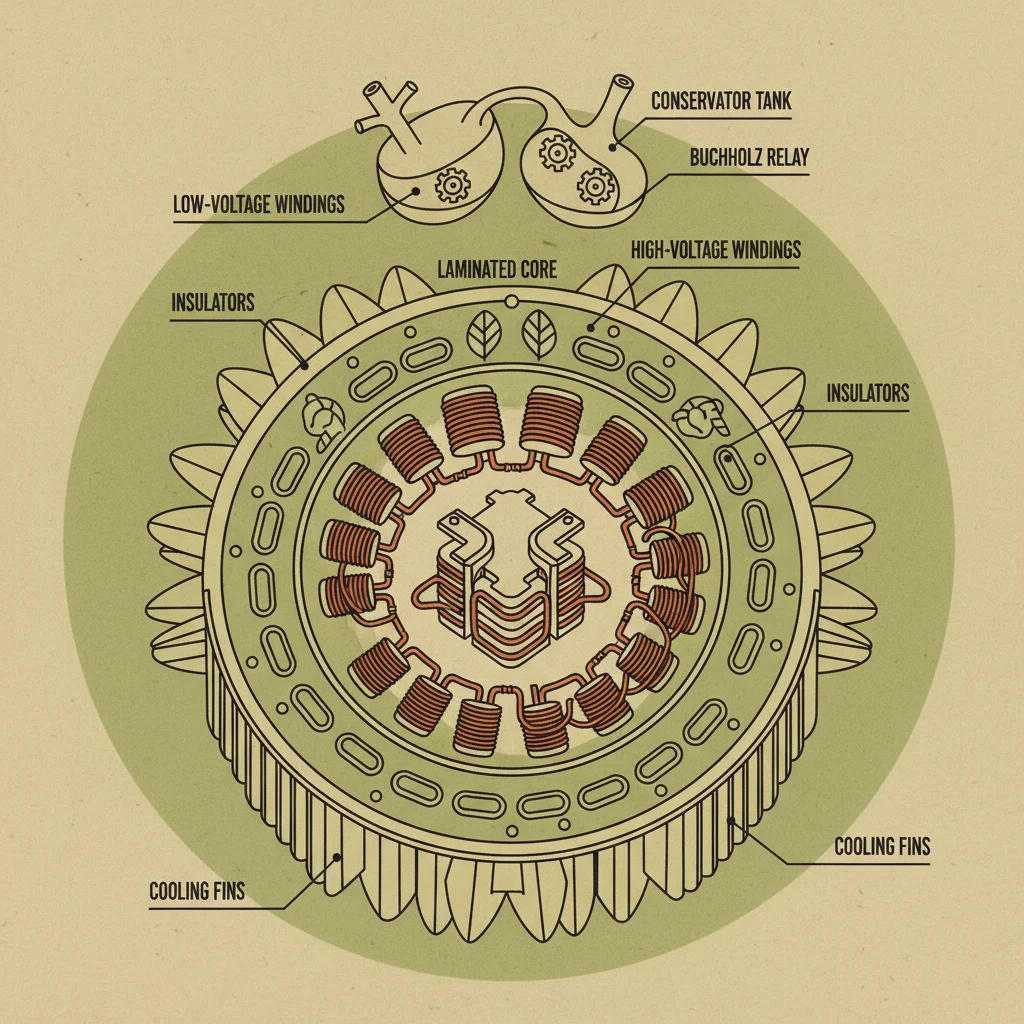
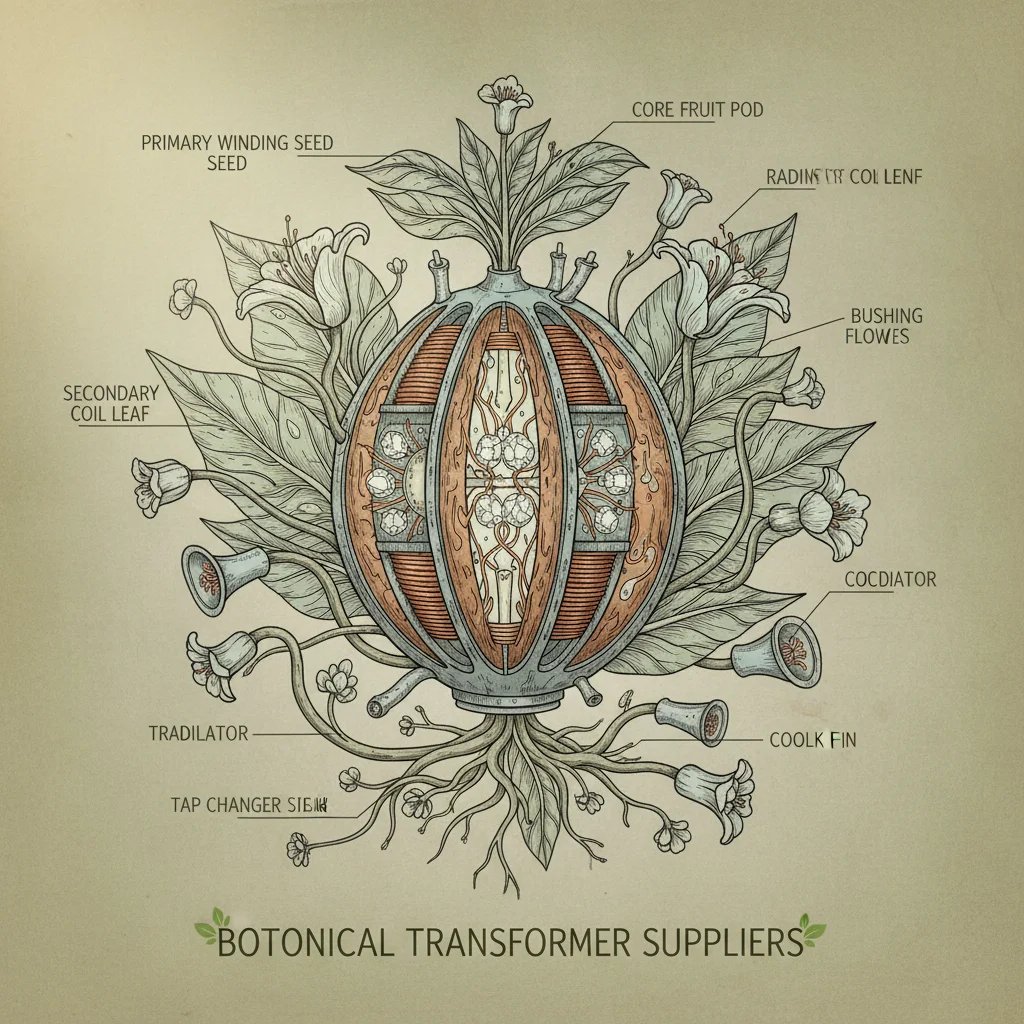
Key components of a step down transformer include the core (typically made of laminated steel), windings (copper or aluminum wire), insulation, and a protective enclosure. The quality of each component significantly impacts the transformer's overall performance and lifespan. The manufacturing process for these components requires meticulous attention to detail.
Critical manufacturing considerations include core material selection, winding design, insulation class, and the cooling system. Proper cooling is essential to dissipate heat generated during operation, preventing premature failure. A skilled step down transformer manufacturer understands these nuances and implements rigorous quality control measures throughout the production process.
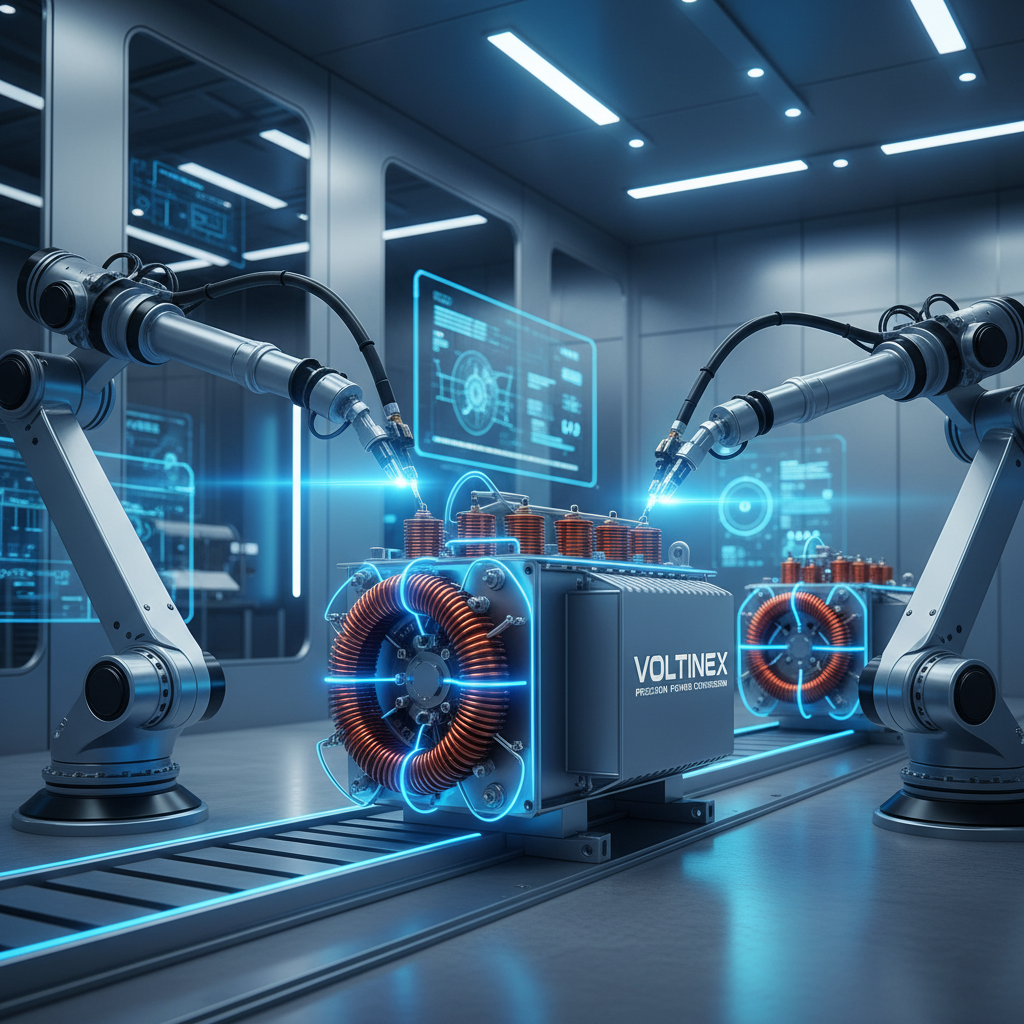
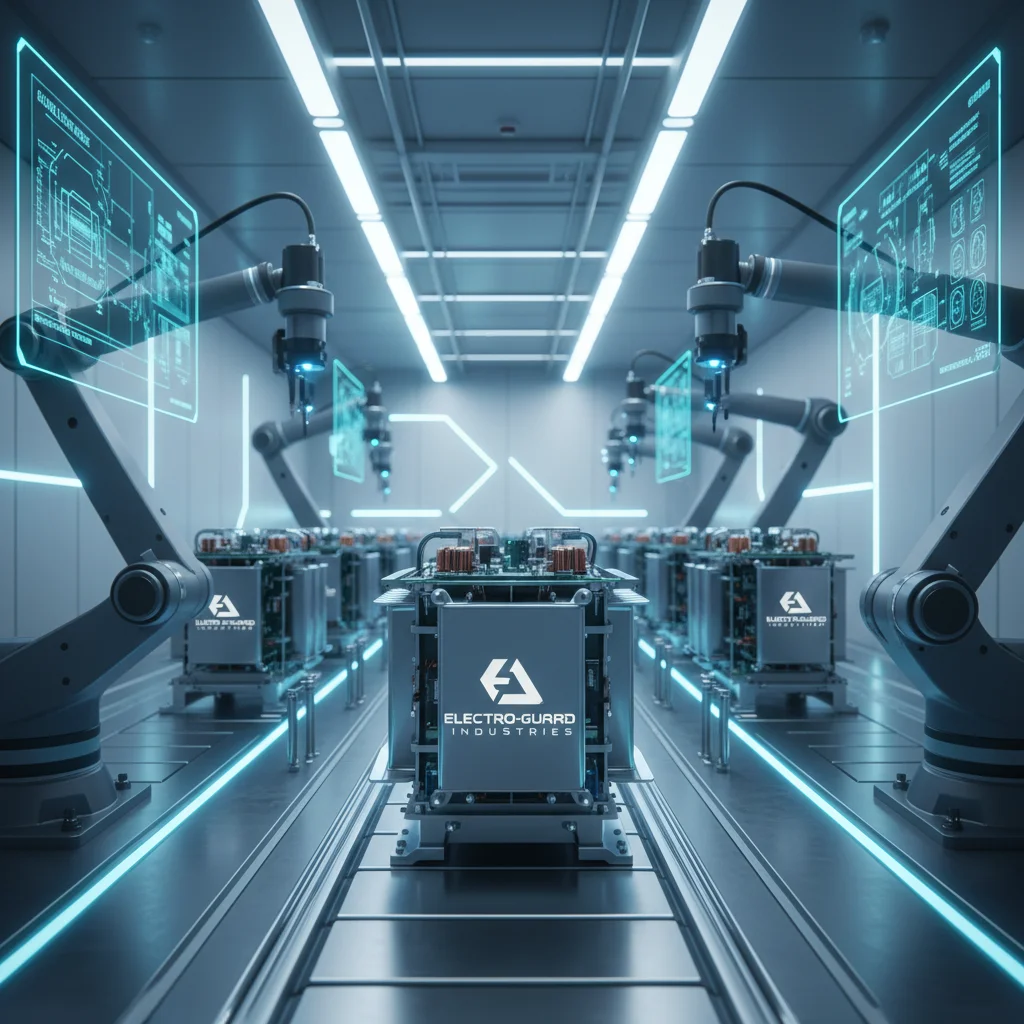
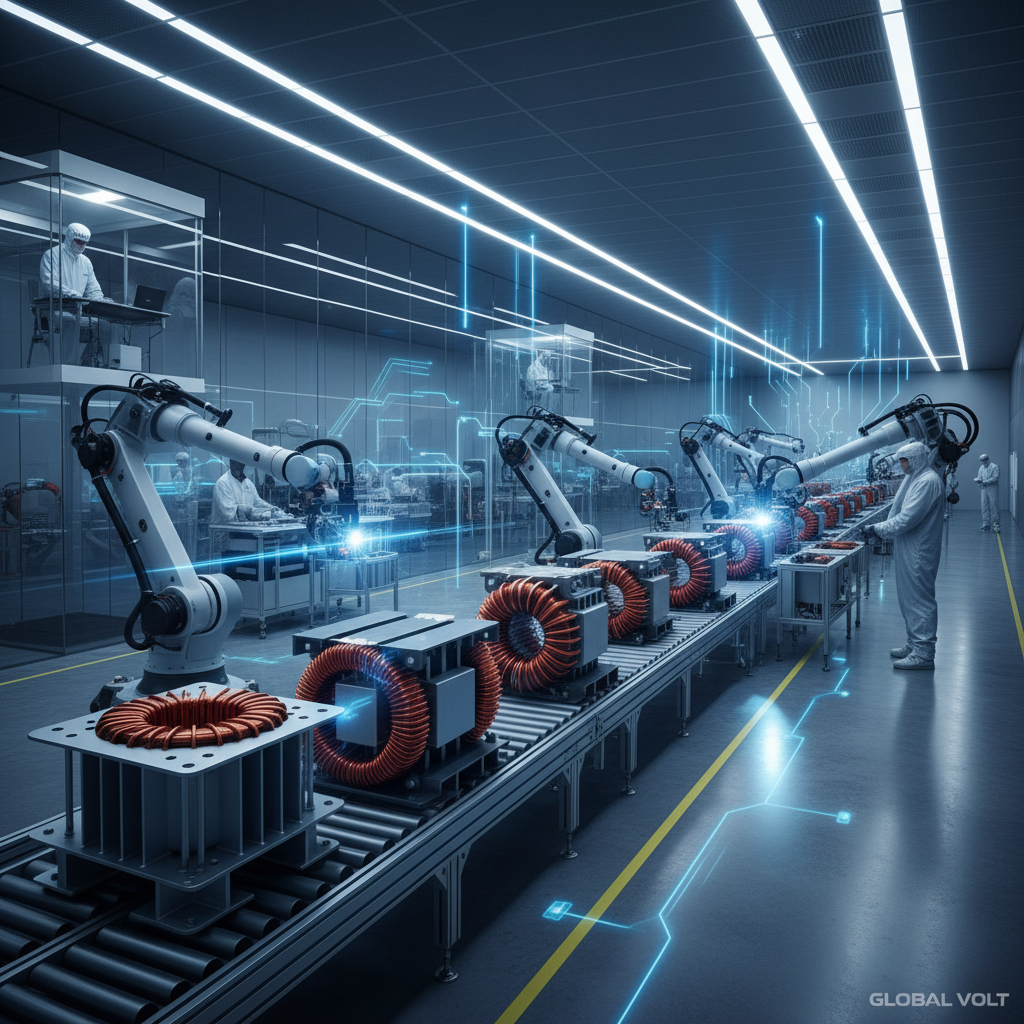
Furthermore, environmental factors during manufacture, such as humidity control and contamination prevention, play a vital role in ensuring long-term reliability. Modern manufacturing facilities utilize automated processes and advanced testing equipment to guarantee consistent quality and adherence to specifications.
Key Performance Indicators for Step Down Transformers
Evaluating the performance of a step down transformer requires considering several key indicators. Efficiency, measured as the ratio of output power to input power, is paramount. A higher efficiency translates to lower operating costs and reduced energy waste.
Other crucial KPIs include voltage regulation (the ability to maintain a stable output voltage under varying load conditions), impedance (influencing short-circuit current levels), and temperature rise (indicating the effectiveness of the cooling system). Selecting a step down transformer manufacturer who prioritizes these metrics is crucial for operational success.
Step Down Transformer Performance Indicators
Global Applications of Step Down Transformers
Step down transformers are ubiquitous across various industries and geographies. In post-disaster relief operations, they provide immediate power access for essential services, like hospitals and communication networks. In remote industrial zones, they enable the operation of machinery where grid access is limited.
They are widely used in manufacturing plants, commercial buildings, residential areas, and power distribution networks worldwide. Specific applications include powering electric motors, lighting systems, control circuits, and sensitive electronic equipment. Demand is particularly strong in rapidly developing economies experiencing infrastructure growth.
Advantages of Partnering with a Quality Manufacturer
Choosing a reputable step down transformer manufacturer provides several key advantages. These include access to high-quality products, customized solutions tailored to specific needs, and expert technical support.
A strong manufacturer will prioritize safety, reliability, and efficiency, resulting in reduced downtime and lower operating costs. Furthermore, they often offer extended warranties and comprehensive after-sales service, providing peace of mind and long-term value.
Future Trends in Step Down Transformer Technology
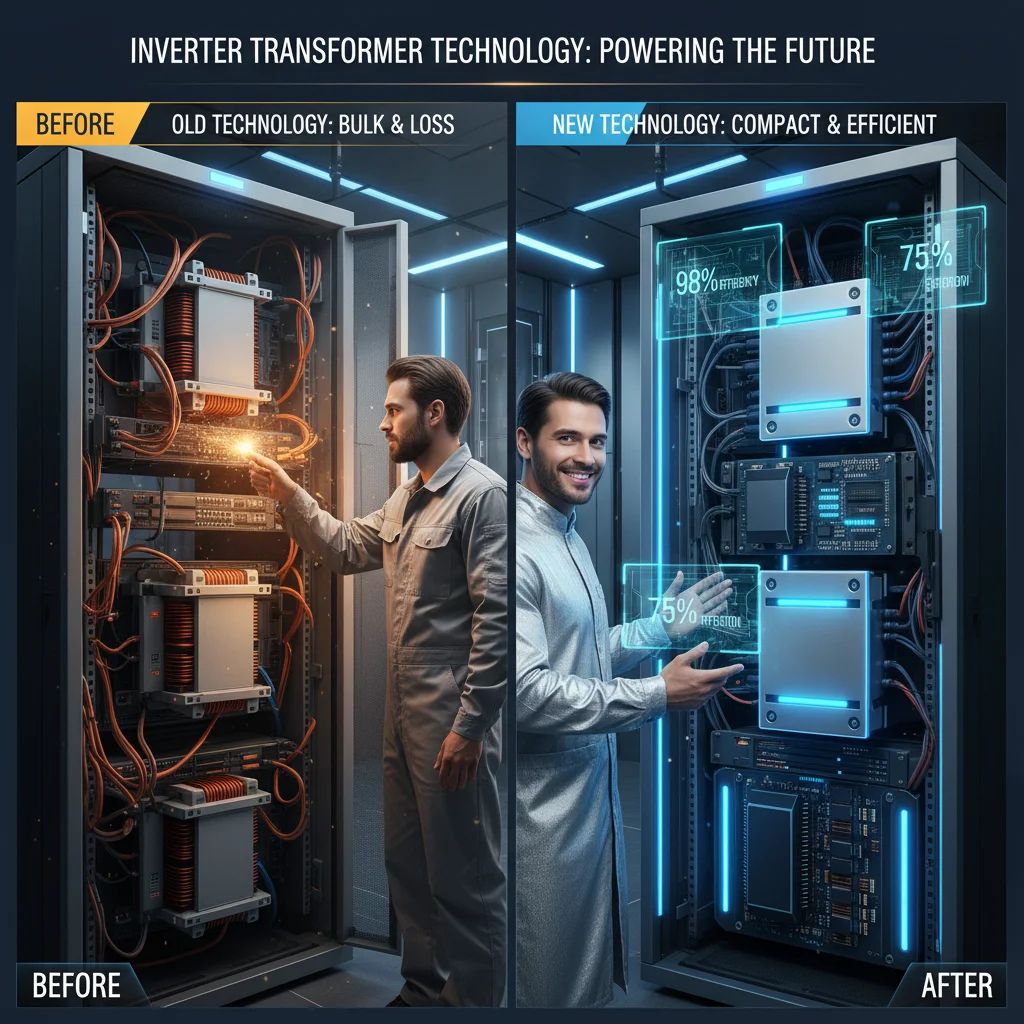
The future of step down transformer technology is being shaped by several key trends. These include the integration of smart grid technologies for improved monitoring and control, the development of more efficient core materials like amorphous metal, and the increasing use of solid-state transformers.
With growing focus on sustainability, manufacturers are investing in eco-friendly designs and materials, minimizing environmental impact. Digitalization and automation are also streamlining manufacturing processes, leading to improved quality and reduced costs.
The demand for smaller, lighter, and more efficient transformers will continue to drive innovation, particularly in applications like electric vehicles and renewable energy systems.
Summary of Key Future Trends in Step Down Transformer Technology
| Trend Category |
Specific Innovation |
Impact on Performance |
Expected Adoption Rate (1-10) |
| Materials Science |
Amorphous Metal Cores |
Reduced Hysteresis Loss, Increased Efficiency |
7 |
| Smart Grid Integration |
Remote Monitoring and Control |
Improved Reliability, Predictive Maintenance |
8 |
| Power Electronics |
Solid-State Transformers |
Enhanced Voltage Regulation, Reduced Size |
5 |
| Manufacturing Processes |
Automated Winding and Assembly |
Increased Precision, Reduced Costs |
9 |
| Sustainability |
Biodegradable Insulation Oils |
Reduced Environmental Impact |
6 |
| Digitalization |
Digital Twin Technology |
Simulation & Optimization of Transformer Performance |
4 |
FAQS
Lead times for custom step down transformers vary depending on complexity, material availability, and current order volume. Generally, expect a lead time of 6-12 weeks for standard customizations, and 12-16 weeks for highly specialized designs. A reputable manufacturer will provide a detailed timeline upon receiving your specifications.
Determining the correct kVA rating requires calculating the total load (in watts) of all equipment that will be powered by the transformer. Divide the total wattage by the operating voltage to get the amperage. Then, multiply the amperage by the voltage to calculate the kVA. It's always recommended to add a safety margin of 20-25% to avoid overloading the transformer.
Look for manufacturers holding certifications like ISO 9001 (quality management), ISO 14001 (environmental management), and relevant industry standards such as IEC or UL certifications. These certifications demonstrate a commitment to quality, safety, and environmental responsibility.
A properly sized, well-maintained step down transformer typically has a lifespan of 20-30 years, or even longer. Regular inspections, cleaning, and oil analysis (for oil-filled transformers) are crucial for maximizing its lifespan and preventing unexpected failures.
Yes, most reputable step down transformer manufacturers offer customization services to meet specific voltage requirements. Customizations can include changes to the primary and secondary voltage ratios, winding materials, and enclosure designs. Discuss your exact needs with the manufacturer during the quotation process.
Transformer cooling is essential for preventing overheating and extending lifespan. Cooling methods include natural air cooling, forced air cooling, and oil immersion. The appropriate cooling method depends on the transformer's kVA rating, operating environment, and duty cycle. A manufacturer can help you select the best cooling solution for your application.
Conclusion
In conclusion, step down transformers are indispensable components of modern electrical infrastructure, facilitating the safe and efficient delivery of power to countless applications. Selecting a qualified step down transformer manufacturer is paramount for ensuring reliability, performance, and longevity. Understanding the core components, key performance indicators, and emerging trends in transformer technology is crucial for making informed decisions.
Looking ahead, the industry will continue to evolve with advancements in materials science, smart grid integration, and sustainable design. By embracing these innovations and partnering with a forward-thinking manufacturer, businesses and organizations can optimize their power systems, reduce costs, and contribute to a more sustainable future. Visit our website: www.xcdmagnetic.com to learn more.