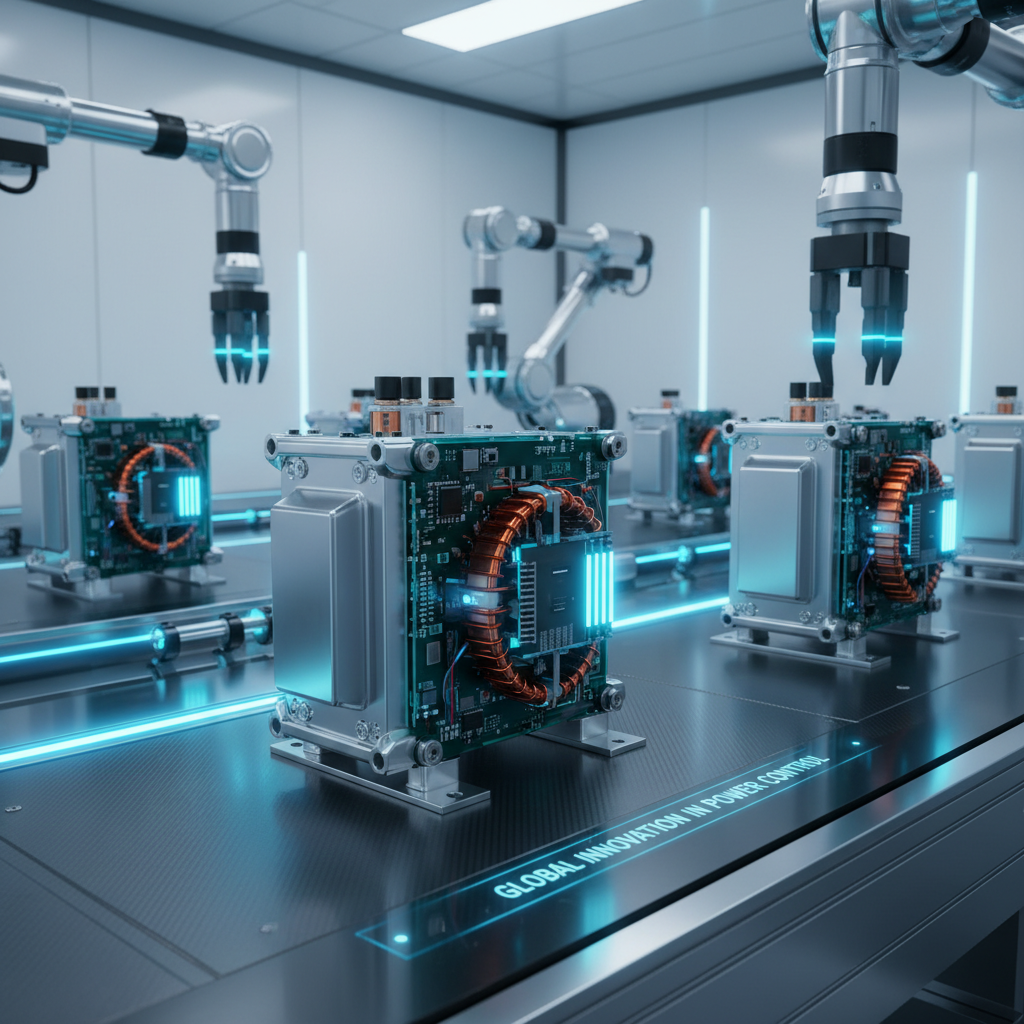
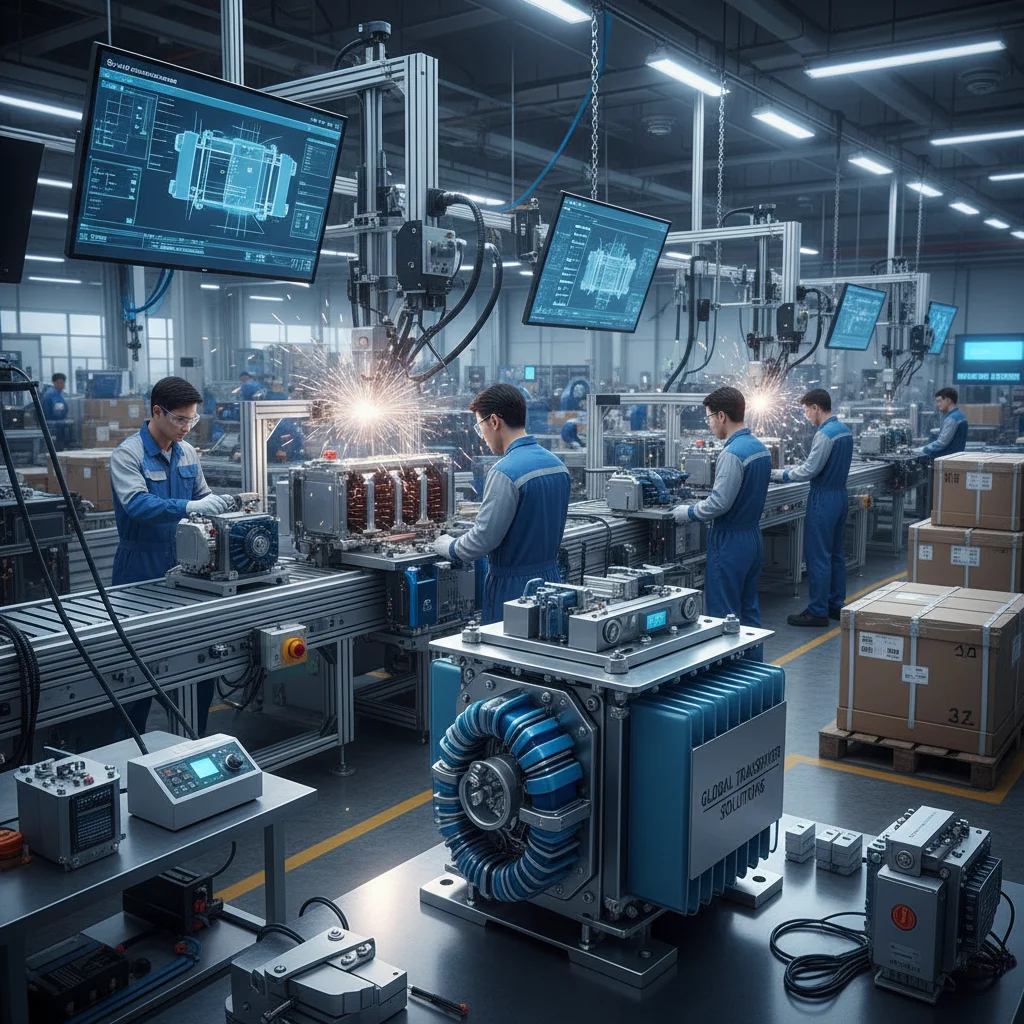
Control transformer manufacturers play a pivotal role in modern industrial infrastructure, supplying essential components for reliable and efficient power distribution. These manufacturers are increasingly focused on producing high-quality transformers designed to meet stringent safety standards and evolving energy demands. The global market for control transformers is driven by growth in manufacturing, automation, and infrastructure development, necessitating a constant stream of innovation and adaptation from these key players. Understanding the intricacies of this industry is crucial for businesses and engineers relying on stable and optimized power systems.
The demand for control transformer manufacturers is inextricably linked to the expanding global economy, with significant increases observed in emerging markets. According to recent reports, the power transformer market is projected to reach substantial growth in the coming years, fueled by the modernization of aging grid infrastructure and the proliferation of renewable energy sources. This growth presents both opportunities and challenges for manufacturers, requiring them to invest in advanced technologies and sustainable practices to remain competitive. The importance of consistent, reliable power cannot be overstated in today's interconnected world.
The ability of control transformer manufacturers to deliver bespoke solutions, tailored to specific client needs, is a defining characteristic of the industry. This often involves specialized designs, advanced insulation materials, and rigorous testing procedures. Furthermore, a commitment to environmental responsibility, including minimizing energy consumption during manufacturing and utilizing eco-friendly materials, is becoming increasingly paramount. The industry’s continued success depends on its ability to embrace sustainability and technological advancement.
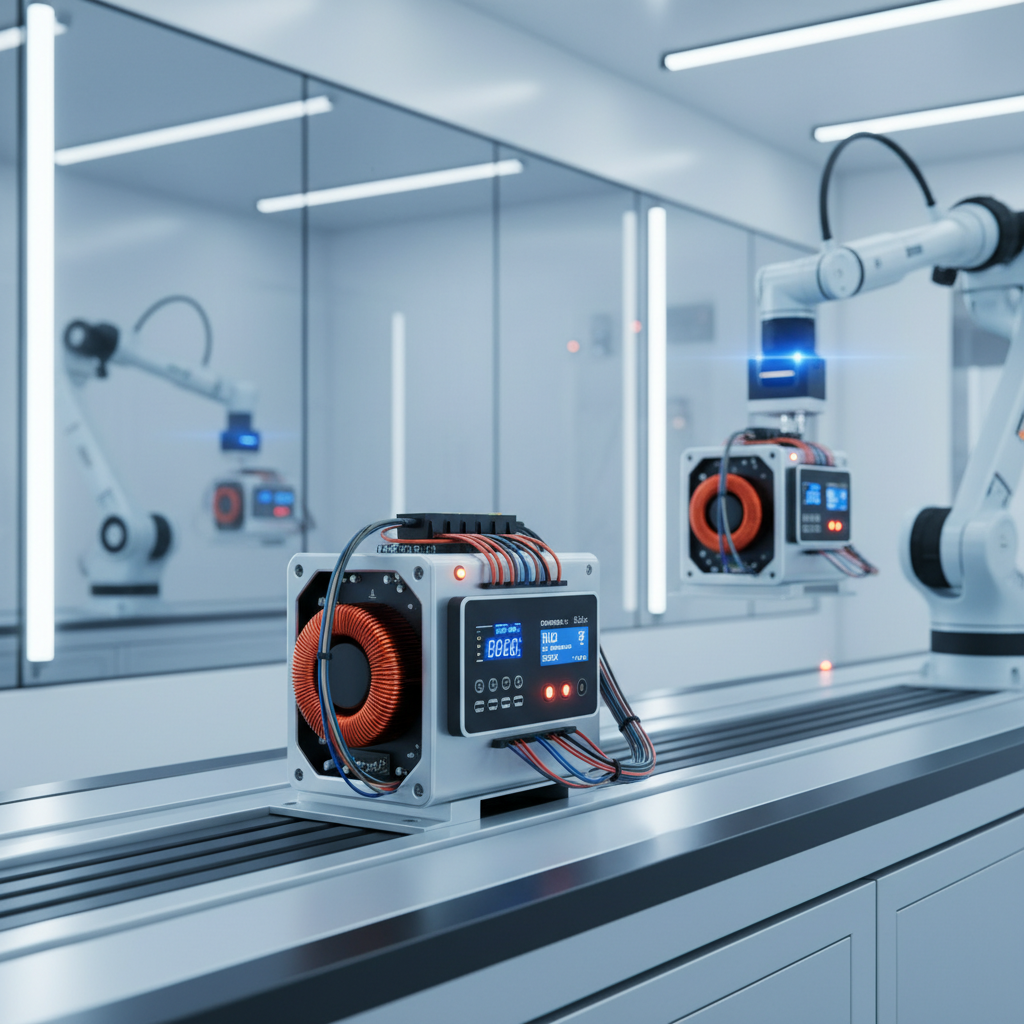
Introduction: Global or Industry Context
Control transformer manufacturers are integral to the reliable operation of countless industries worldwide. From powering industrial machinery to enabling complex automation systems, these specialized transformers play a critical role in ensuring efficient and safe power distribution. The global network of control transformer manufacturers supports diverse sectors, including manufacturing, healthcare, transportation, and energy production. control transformer manufacturers are facing increasing pressure to deliver innovative solutions that address evolving customer needs and stringent regulatory requirements.
The market for control transformers is significantly influenced by macroeconomic factors, such as infrastructure investment and industrial growth. The United Nations Industrial Development Organization (UNIDO) reports a growing demand for electrical equipment in developing countries, which directly translates to increased orders for control transformer manufacturers. The World Bank’s infrastructure projects often incorporate substantial power distribution needs, further driving market demand. These global trends highlight the importance of these manufacturers in supporting economic development and modernization efforts.
A key challenge facing control transformer manufacturers is the need to adapt to the rapidly changing energy landscape. The increasing adoption of renewable energy sources, such as solar and wind power, requires transformers capable of handling intermittent and fluctuating power inputs. Furthermore, the growing emphasis on energy efficiency and sustainability is driving demand for transformers with lower energy losses and reduced environmental impact. Addressing these challenges requires continuous innovation and investment in research and development.
Definition & Meaning
Control transformer manufacturers are companies specializing in the design, production, and distribution of transformers specifically designed to provide a stable and isolated power supply for control circuits and electronic devices. Unlike power transformers which handle large bulk power transmission, control transformers typically operate at lower voltages and kVA ratings. They are essential components in industrial control panels, automation systems, and various electronic equipment where precise and reliable power is critical for safe and efficient operation.
The connection to modern industry is undeniable. Control transformers ensure the accuracy and stability of signals used for controlling machinery, monitoring processes, and maintaining safety systems. Without these transformers, automated manufacturing processes would be prone to errors and disruptions, leading to reduced productivity and potential hazards. They are, in essence, the backbone of modern industrial automation.
In a humanitarian context, control transformer manufacturers indirectly contribute to improved living standards by enabling the production of essential goods and services. The reliable power they provide supports medical equipment, water purification systems, and communication networks – all critical components of modern infrastructure. Their role extends beyond industrial applications, contributing to the smooth functioning of everyday life.
Key Factors or Core Components
Durability: Control transformers must withstand harsh industrial environments, including exposure to extreme temperatures, humidity, and vibrations. Manufacturers prioritize robust construction, utilizing high-quality materials and rigorous testing procedures to ensure long-term reliability. This translates to reduced maintenance costs and extended operational lifespans for end-users.
Isolation: A crucial function of control transformers is to provide galvanic isolation between the primary and secondary circuits, protecting sensitive control equipment from voltage spikes, electrical noise, and ground loops. This isolation enhances safety and prevents damage to connected devices, safeguarding critical processes.
Efficiency: Minimizing energy losses is paramount in today's environment. Manufacturers are continuously improving transformer designs and utilizing advanced core materials to maximize efficiency and reduce operating costs. Energy-efficient transformers contribute to lower carbon emissions and a more sustainable industrial ecosystem.
Voltage Regulation: Maintaining a stable output voltage, even under varying load conditions, is essential for accurate control and reliable operation. Control transformer manufacturers employ various techniques, such as tap changers and automatic voltage regulators, to ensure consistent voltage delivery.
Safety Standards Compliance: Adherence to stringent safety standards (such as UL, CSA, and IEC) is non-negotiable. Manufacturers invest heavily in testing and certification to demonstrate compliance and ensure the safety of their products.
Customization Capabilities: The ability to offer customized transformer solutions tailored to specific application requirements is a key differentiator for manufacturers. This includes variations in voltage ratios, kVA ratings, and mounting configurations.
Global Applications & Use Cases
Control transformer manufacturers serve a wide range of industries, including manufacturing, oil and gas, power generation, water treatment, and transportation. In manufacturing plants, they provide isolated power for Programmable Logic Controllers (PLCs), motor starters, and other critical control systems. The oil and gas industry utilizes them in remote monitoring and control applications, ensuring reliable operation of pipelines and processing facilities.
In post-disaster relief operations, portable control transformers can be deployed rapidly to power essential communication equipment and medical facilities. In remote industrial zones, where grid power is unreliable or unavailable, control transformers are vital for maintaining continuous operation of critical processes. These versatile components are essential for maintaining infrastructure and stability in diverse and challenging environments.
Geographically, demand for control transformers is strongest in industrialized nations like the United States, Germany, and Japan. However, rapid industrialization in emerging markets, such as China, India, and Brazil, is driving significant growth in demand. control transformer manufacturers are actively expanding their presence in these regions to capitalize on the growing opportunities.
Comparative Analysis of control transformer manufacturers Methods
Advantages & Long-Term Value
The tangible benefits of investing in high-quality control transformers from reputable manufacturers are substantial. Reduced downtime, minimized maintenance costs, and improved energy efficiency translate directly into cost savings for businesses. Furthermore, the enhanced safety features built into these transformers protect personnel and equipment, reducing the risk of accidents and operational disruptions.
Beyond the economic advantages, control transformer manufacturers contribute to a more sustainable future. Energy-efficient transformers reduce carbon emissions and promote responsible energy consumption. The long lifespan of these components also minimizes waste and reduces the need for frequent replacements, furthering their environmental benefits. The reliability offered by quality transformers creates trust and stability within industrial operations.
The long-term value extends to innovation. Manufacturers constantly strive to improve designs, incorporating new materials and technologies to enhance performance and address evolving customer needs. This commitment to innovation ensures that users have access to cutting-edge solutions that optimize their operations and maintain a competitive edge.
Future Trends & Innovations
The future of control transformer manufacturing is being shaped by several key trends. The integration of smart grid technologies, including advanced monitoring and control systems, is driving demand for transformers equipped with digital sensors and communication capabilities. This allows for real-time data analysis and predictive maintenance, optimizing performance and preventing failures.
The increasing adoption of solid-state transformers (SSTs) presents a disruptive innovation. SSTs offer advantages such as higher efficiency, smaller size, and improved voltage regulation compared to traditional transformers. The trend towards digitalization and automation will inevitably influence the design and manufacturing processes of control transformers.
Challenges & Solutions
One of the primary challenges facing control transformer manufacturers is the rising cost of raw materials, particularly copper and steel. To mitigate this, manufacturers are exploring alternative materials and optimizing designs to reduce material consumption. Another challenge is the need to adapt to increasingly complex regulatory requirements related to energy efficiency and safety.
Supply chain disruptions, as experienced during recent global events, also pose a significant challenge. Manufacturers are addressing this by diversifying their sourcing strategies and building stronger relationships with suppliers. Investing in advanced manufacturing technologies, such as automation and additive manufacturing, can also help improve efficiency and reduce costs. control transformer manufacturers must embrace innovation to overcome these hurdles.
Furthermore, the skills gap in the manufacturing sector requires manufacturers to invest in training and development programs to ensure they have a qualified workforce capable of operating and maintaining advanced equipment. Collaboration with educational institutions can help bridge this gap and foster a pipeline of skilled workers.
Summary of Challenges and Potential Solutions for Control Transformer Manufacturers
| Challenge |
Impact on control transformer manufacturers |
Potential Solution |
Implementation Timeline |
| Rising Raw Material Costs |
Reduced Profit Margins |
Material Substitution & Design Optimization |
Short-Term (6-12 months) |
| Complex Regulatory Compliance |
Increased Compliance Costs |
Dedicated Compliance Team & Automation |
Medium-Term (1-3 years) |
| Supply Chain Disruptions |
Production Delays & Inventory Shortages |
Diversified Sourcing & Strategic Partnerships |
Ongoing |
| Skills Gap in Manufacturing |
Reduced Productivity & Quality Issues |
Training Programs & Apprenticeships |
Long-Term (3-5 years) |
| Increasing Demand for Customization |
Complex Manufacturing Processes |
Flexible Manufacturing Systems & Modular Design |
Medium-Term (1-3 years) |
| Competition from Low-Cost Producers |
Price Pressure & Reduced Market Share |
Focus on Innovation & Value-Added Services |
Ongoing |
FAQS
The typical lifespan of a well-maintained control transformer can range from 20 to 30 years, and sometimes even longer. However, this depends heavily on factors such as the quality of the manufacturing process, the operating environment, the load profile, and the frequency of maintenance. Regular inspections and preventative maintenance, like oil sampling and winding resistance measurements, can significantly extend the transformer's lifespan. Choosing a reputable manufacturer committed to quality materials and construction is also crucial for maximizing longevity.
Control transformers and power transformers serve distinct purposes. Power transformers are designed to handle large amounts of power at high voltages for transmission across long distances. Control transformers, on the other hand, are designed for lower power levels and provide isolated power to control circuits, relays, and electronic devices. They prioritize voltage stability and isolation to protect sensitive equipment, rather than maximizing power throughput. Typically, control transformers have smaller kVA ratings and operate at lower voltages compared to their power transformer counterparts.
When selecting a control transformer, it’s crucial to ensure it meets relevant safety standards. Common certifications include UL (Underwriters Laboratories), CSA (Canadian Standards Association), and IEC (International Electrotechnical Commission). These standards ensure the transformer has been tested for safety, performance, and reliability. Look for transformers with proper insulation, grounding provisions, and overload protection to minimize the risk of electrical hazards. Verification of these certifications by an independent testing laboratory provides further assurance.
Yes, control transformers can be used with renewable energy sources like solar and wind power, but some considerations are necessary. Renewable energy sources often produce fluctuating voltage and frequency. Control transformers designed for these applications must be capable of handling these variations and providing a stable, isolated power supply to control circuits. Specialized transformers with harmonic filters and voltage regulation capabilities are often employed in renewable energy systems to ensure reliable operation.
Toroidal core control transformers offer several advantages over traditional laminated core transformers. They exhibit lower core losses, reduced radiated magnetic fields, and improved efficiency. Their compact size and weight make them ideal for applications with limited space. Toroidal cores also provide better voltage regulation and reduced harmonic distortion, resulting in a cleaner and more stable power supply for sensitive control circuits. However, they can be more expensive to manufacture than laminated core transformers.
Ambient temperature significantly impacts control transformer performance. Higher temperatures can increase internal losses, reduce insulation life, and decrease the transformer’s overall efficiency. Manufacturers specify operating temperature limits for their transformers, and exceeding these limits can lead to premature failure. Proper ventilation and cooling are essential to maintain the transformer within its specified temperature range. In high-temperature environments, derating the transformer's kVA rating may be necessary to ensure safe and reliable operation.
Conclusion
In summary, control transformer manufacturers are vital components of modern industrial infrastructure, providing the reliable and isolated power necessary for countless applications. Their commitment to quality, innovation, and safety is crucial for ensuring the efficient and stable operation of critical systems. Understanding the key factors, global trends, and challenges facing these manufacturers is essential for businesses and engineers alike.
Looking ahead, the future of control transformer manufacturing will be shaped by emerging technologies, such as smart grid integration and solid-state transformers. Manufacturers that embrace these advancements and prioritize sustainability will be well-positioned to thrive in a rapidly evolving market. Investing in research and development, fostering collaboration, and prioritizing customer needs will be key to long-term success.