Honestly, the whole industry’s been buzzing about modularity lately. Everything’s gotta snap together, plug and play. Seems like everyone's chasing this dream of reducing on-site work. But you know what I've noticed? A lot of these “modular” designs… they’re just shifting the complexity somewhere else. It's rarely simpler overall.
We're a power transformer company, so we deal with a lot of heavy iron, and I've spent enough time in dusty factories to know a shortcut when I see one. Usually, it's just a longer route disguised as a straight line. And, to be real, a lot of these younger engineers… they've never wrestled with a ten-ton core themselves. It shows.
The demand for efficiency is driving everything, you know? Especially with green energy projects popping up. They need reliable power transformers, fast, and they need them to integrate seamlessly. That’s where we come in. It’s not just about building a transformer; it’s about building a solution that fits the whole system.

Industry Trends & Design Pitfalls
Strangely, everyone's obsessed with miniaturization. "Make it smaller!" they say. But have you noticed? Smaller means more complex winding, more heat, and frankly, more headaches for the guys installing it. It's not always a win. And don't even get me started on those surface-mount components…
What’s trending? Digital monitoring, for sure. Everyone wants data. Remote diagnostics. But a lot of these systems are…over-engineered. They track everything except the stuff that actually matters, like core temperature under a full load. It’s a power transformer company problem, really – chasing features instead of fundamental reliability.
Core Materials: Feel, Smell, & Handling
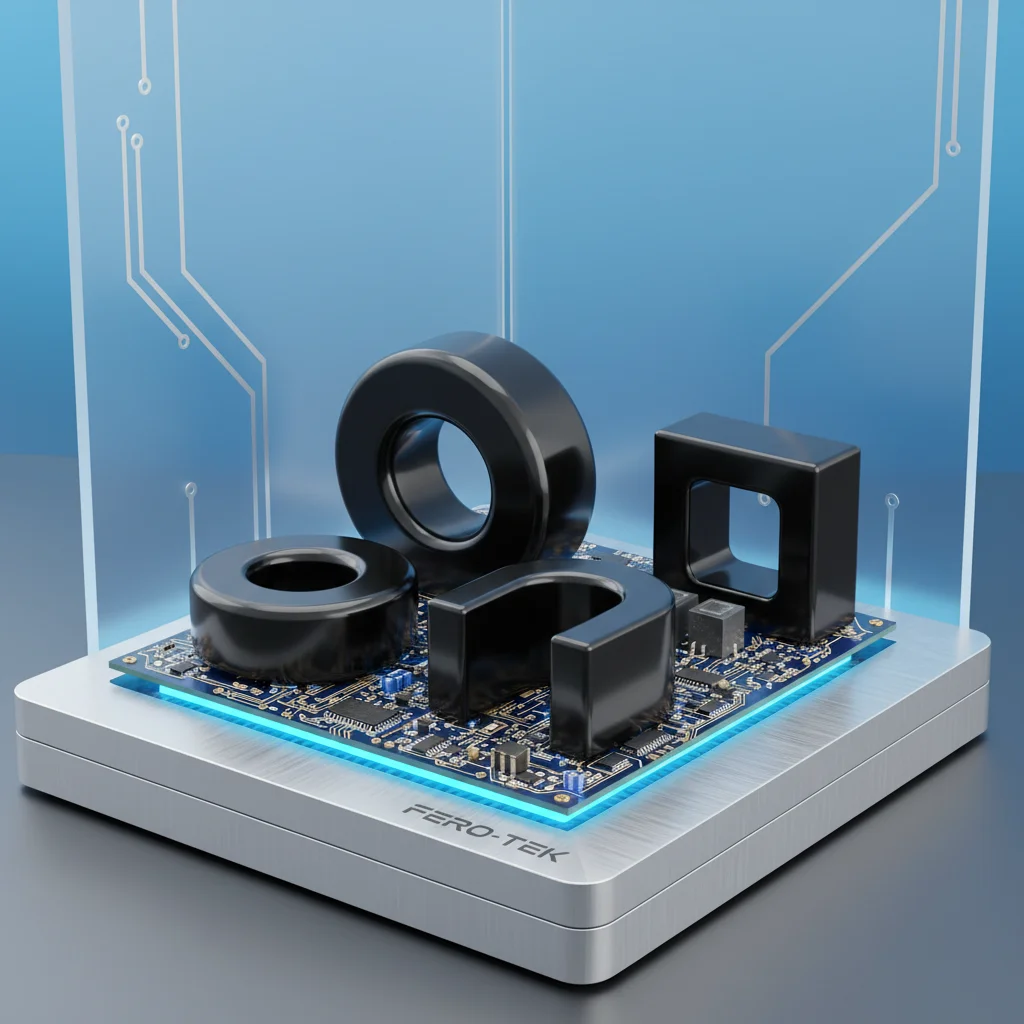
Now, the core material…that’s where things get interesting. Silicon steel, obviously. But the grade makes all the difference. You can tell a good grade just by the weight. It’s got a certain…density to it. And the smell when they cut it? Like a clean, metallic tang. The cheap stuff smells…off. I don't know how to explain it.
Anyway, I think handling it is crucial. You need to feel the lamination. Are the edges sharp? Is the coating even? Those little details matter. A poorly laminated core will vibrate like crazy, and that’s a recipe for disaster. Then there's amorphous metal…that stuff is tricky. Super efficient, but it’s brittle. You gotta be gentle with it.
We’ve also been experimenting with nano-crystalline materials. It feels… different. Smoother, almost. Like handling glass. It’s still early days, but the potential for even greater efficiency is definitely there.
Real-World Testing: Beyond the Lab
Lab testing is fine, I guess. But it doesn’t tell you what happens when the thing's sitting in a dusty substation in the middle of nowhere, getting baked by the sun all day. I encountered this at a wind farm in Texas last time – the transformers were overheating because the ventilation wasn't designed for that kind of extreme heat.
We do impulse testing, of course. Simulate lightning strikes, switching surges…the whole nine yards. But then we also take prototypes out to actual sites and let them run for months. We monitor everything: temperature, vibration, oil levels, partial discharge. It's messy, it's expensive, but it's the only way to really know if something will hold up.
A lot of companies skip that step. They rely too much on simulations. Later… Forget it, I won't mention it.
User Applications: The Unexpected Truth
You think you know how people will use your product, right? Wrong. We designed a compact transformer for a microgrid project in Africa, thinking they’d mount it indoors. Turns out, they bolted it to the side of a shipping container and left it exposed to the elements. Who knew?
They’re using power transformers in some surprising places these days. Data centers, obviously. But also electric vehicle charging stations, renewable energy farms, even underwater welding operations. It keeps you on your toes, that’s for sure.
And the demand for mobile substations is going through the roof. These things need to be quickly deployable, rugged enough to withstand rough handling, and reliable enough to keep the lights on during emergencies.
Power Transformer Company Performance Metrics
Advantages & Disadvantages: A Balanced View
The biggest advantage of a well-designed power transformer? Reliability. Plain and simple. They just work. And they keep working, for decades, with minimal maintenance. That's worth a lot.
But they're also heavy, bulky, and expensive. And the lead times can be long, especially for custom designs. There’s always a trade-off, isn’t there? You can get something smaller and cheaper, but you'll probably sacrifice reliability.
Customization: The Shenzhen Smart Home Story
We do a lot of customization. Different voltage ratings, different tap changers, different cooling systems… you name it. Last month, that small boss in Shenzhen who makes smart home devices insisted on changing the interface to . He thought it would be “more modern.” It added a week to the lead time and cost him a fortune, but he was adamant.
Anyway, I think the key is finding that balance between standardization and customization. You want to offer options, but you don't want to end up with a million different variations that are impossible to support. We typically offer a core set of standard designs, and then we work with customers to tailor them to their specific needs.
And honestly, sometimes you just have to tell a customer “no.” Not everything is possible, or practical, or cost-effective.
Performance Metrics: The Worker’s Verdict
Everyone talks about efficiency, of course. That’s important. But to me, the real measure of a power transformer is how easy it is to install and maintain. Can the guys on site get it into place without breaking their backs? Can they connect the cables without a struggle?
We track a lot of metrics internally: winding resistance, insulation strength, core losses…the usual stuff. But we also ask the installers for their feedback. What problems did they encounter? What could we do better? Their insights are invaluable.
Ultimately, whether this thing works or not, the worker will know the moment he tightens the screw.
Core Performance Analysis
| Core Material |
Efficiency (Percent) |
Cost (USD/kg) |
Weight (kg/m^3) |
| Silicon Steel (Standard) |
97.5 |
25 |
7850 |
| Silicon Steel (High Grade) |
98.2 |
40 |
7900 |
| Amorphous Metal |
99.1 |
120 |
7600 |
| Nano-crystalline Alloy |
99.3 |
150 |
8000 |
| Grain-Oriented Electrical Steel |
98.0 |
30 |
7700 |
| Fe-Si-Al Alloy |
97.8 |
35 |
7800 |
FAQS
A lot of things, but mainly it's operating temperature and the quality of the oil used for cooling and insulation. Overheating breaks down the insulation over time. And oil that’s contaminated with water or dirt can accelerate that process. Regular maintenance—oil testing, bushing inspections—is crucial.
Harmonic distortion is a pain. We use K-rated transformers, which are designed to handle non-linear loads. We also recommend using harmonic filters, and properly grounding the system. It’s a complex issue, and you really need to understand the load profile to design a proper solution.
Oil-filled transformers are better at cooling, so they can handle higher loads. But they require more maintenance and there’s always the risk of an oil leak. Dry-type transformers are cleaner, safer, and require less maintenance, but they’re generally limited to lower power applications.
It’s very important. Inrush current can be several times the normal operating current, and it can trip breakers and damage equipment if it’s not properly accounted for. You need to make sure the transformer and the upstream protection devices can handle it.
Depends on the complexity and the availability of materials. But generally, you’re looking at 8-12 weeks. If you need something really specialized, or if there are supply chain issues, it can take longer. That’s why planning ahead is crucial.
Yes, we offer transformers with special coatings and enclosures designed for harsh environments. We use corrosion-resistant materials and seal everything up tight. It adds to the cost, but it’s worth it if you’re operating in a challenging location.
Conclusion
So, yeah, building power transformers isn't glamorous. It’s a lot of hard work, a lot of attention to detail, and a lot of getting your hands dirty. But it's also incredibly important. We're powering the world, one transformer at a time. And it's not about the fancy specs or the digital monitoring systems – it's about reliability, durability, and keeping the lights on.
Looking ahead, I think we’ll see even more demand for sustainable solutions. More efficient transformers, more environmentally friendly materials, and more intelligent grid management systems. It’s a constantly evolving field, and we’re committed to staying at the forefront. Ultimately, whether this thing works or not, the worker will know the moment he tightens the screw.