Look, electrical transformer suppliers... it's a whole world, right? Been running around sites all year, seeing what works and, more often, what doesn't. Lately, everyone's talking about smart transformers, digital substations – fancy buzzwords. But to be honest, a lot of it's just repackaging old ideas. The real shift I’m seeing is demand for more flexible, scalable solutions, especially with renewable energy popping up everywhere. People need transformers that can handle fluctuating loads, you know? It's not just about bigger and stronger anymore; it's about smarter and adaptable.
It’s a tricky business, this transformer game. You design something that looks perfect on paper, but then you get it on-site, and… well, things happen. I encountered this at a factory in Changzhou last time; they'd spec'd this supposedly ‘ultra-efficient’ core, but the cooling system couldn't keep up with the heat loss. Huge headache. Have you noticed how often designs overlook the practicalities of installation and maintenance? Seriously.
The core material, that’s where it all starts. Silicon steel, of course, that's the standard. But it’s the grade, the grain orientation… that makes all the difference. I prefer the M3 grade – feels solid, almost a bit oily to the touch, you can tell it’s been processed properly. And the smell when you cut it… it’s a metallic, almost sweet scent. Weird, I know. They’re starting to experiment with amorphous metal cores too, but those are fragile, need really careful handling, and they're expensive. Anyway, I think silicon steel is still the workhorse for a reason.

The Current Landscape of electrical transformer suppliers
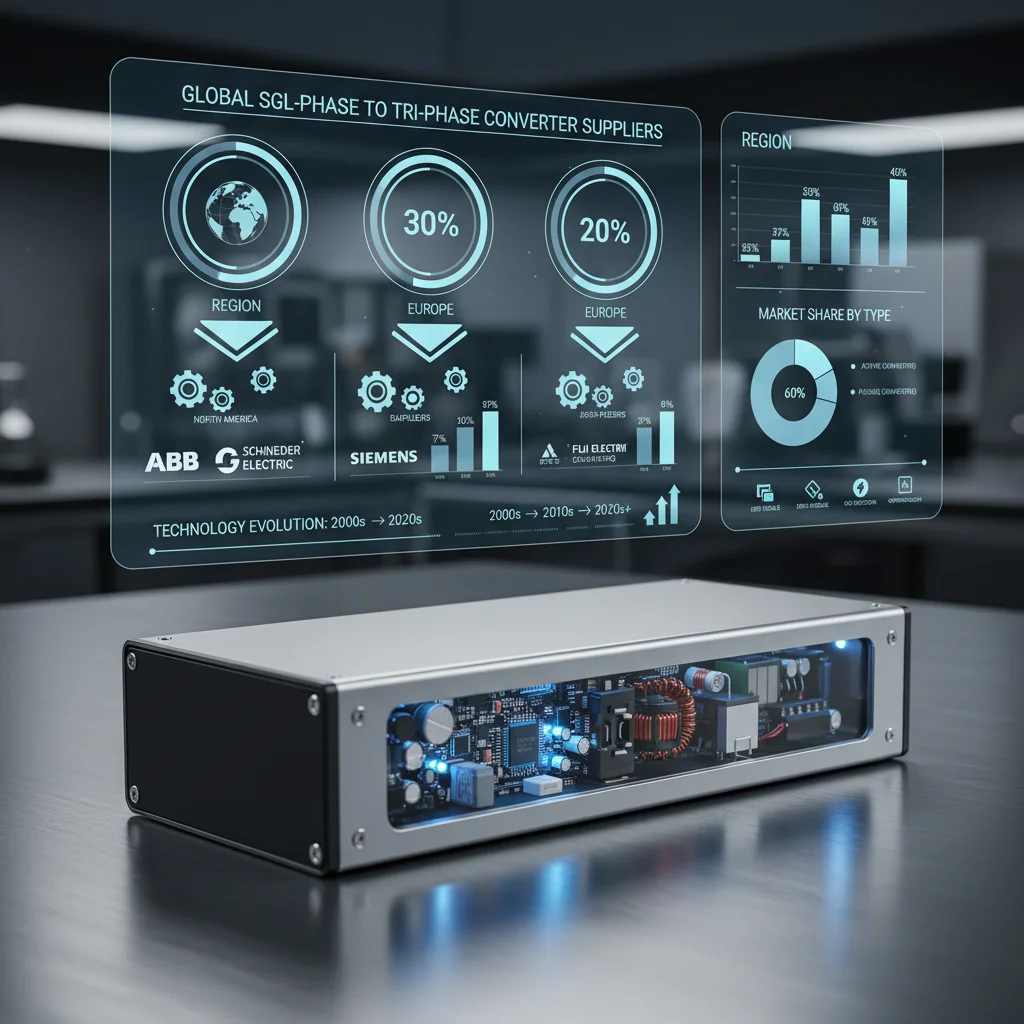
Strangely enough, the biggest players aren’t always the most innovative. It's the smaller, more nimble electrical transformer suppliers that are driving a lot of the changes. They're quicker to adapt to customer needs and willing to experiment with new technologies. The global market is… complicated. China dominates production, naturally, but demand is growing fastest in Africa and Southeast Asia. You see a lot of competition, a lot of price pressure, and a surprisingly large amount of counterfeit products. It’s a constant battle.
The demand for high-efficiency transformers is soaring, driven by energy conservation regulations and the rising cost of electricity. But the problem is, everyone says they’re high-efficiency. You gotta dig deeper, look at the actual test reports, and understand the operating conditions.
Common Design Pitfalls in electrical transformer suppliers
Oh boy, design pitfalls... where do I start? Over-engineering is a big one. People think bigger is always better, but it just adds cost and weight. Then there’s the issue of inadequate cooling. I’ve seen transformers overheat because the designer didn’t account for the ambient temperature or the load profile. Another common mistake is neglecting electromagnetic interference (EMI). These things can create all sorts of problems with sensitive electronic equipment. And the biggest one? Not talking to the people who actually install and maintain the things!
A lot of engineers design these things in a lab, never having stepped foot on a construction site. They don't understand the realities of limited space, difficult access, and harsh environmental conditions.
And the documentation… don't even get me started. Half the time, it's incomplete, inaccurate, or just plain useless. It’s always the small details that trip you up, right?
Material Considerations for electrical transformer suppliers
Beyond silicon steel, you’ve got your insulating materials – oil, epoxy resin, various polymers. The oil… you can tell a good oil by its clarity and smell. It should be almost colorless and have a faint, almost floral scent. Cheap oil smells like… well, like something’s burning. The epoxy, that's a different beast. It needs to be tough, resistant to cracking and moisture, and have good dielectric properties.
I saw one supplier using recycled plastic for some of the insulating components. Recycled! I questioned that immediately. The quality control was… questionable, to say the least. You can’t compromise on safety with these things. The bushing material is another critical point. Porcelain is still widely used, but it's brittle. Composite bushings are gaining popularity, they’re lighter and more durable, but they’re also more expensive.
And then there’s the winding wire, copper is the standard, but aluminum is sometimes used to save cost. It works, but you lose some efficiency. You gotta be careful with the connections, too. Loose connections are a fire hazard.
Testing and Real-World Performance of electrical transformer suppliers
Lab testing is fine, but it doesn’t tell the whole story. You need to see how these transformers perform in real-world conditions. I've seen transformers pass all the lab tests but fail miserably on-site. So we do our own testing. We subject them to temperature cycling, vibration, and short-circuit tests. We even dunk them in saltwater to check their corrosion resistance.
The most important test, though, is the load test. We hook them up to a simulated load and monitor their performance over an extended period. That's when you really see what they’re capable of. We also pay attention to the noise level; a noisy transformer is a sign of poor design or manufacturing.
Transformer Performance Metrics
Practical Applications and User Behavior with electrical transformer suppliers
You’d think people would use these things as intended, but you’d be surprised. I've seen guys using transformers as makeshift tables, leaning ladders against them… it’s insane! The biggest application, obviously, is in power distribution, but we’re also seeing a lot of demand from renewable energy projects – solar farms, wind farms, that sort of thing. They need transformers to step up the voltage for transmission.
And then there’s the industrial sector – factories, manufacturing plants, all sorts of applications. They're also used in railway systems, data centers, and even hospitals. It’s a surprisingly diverse market.
Advantages, Disadvantages, and Customization of electrical transformer suppliers
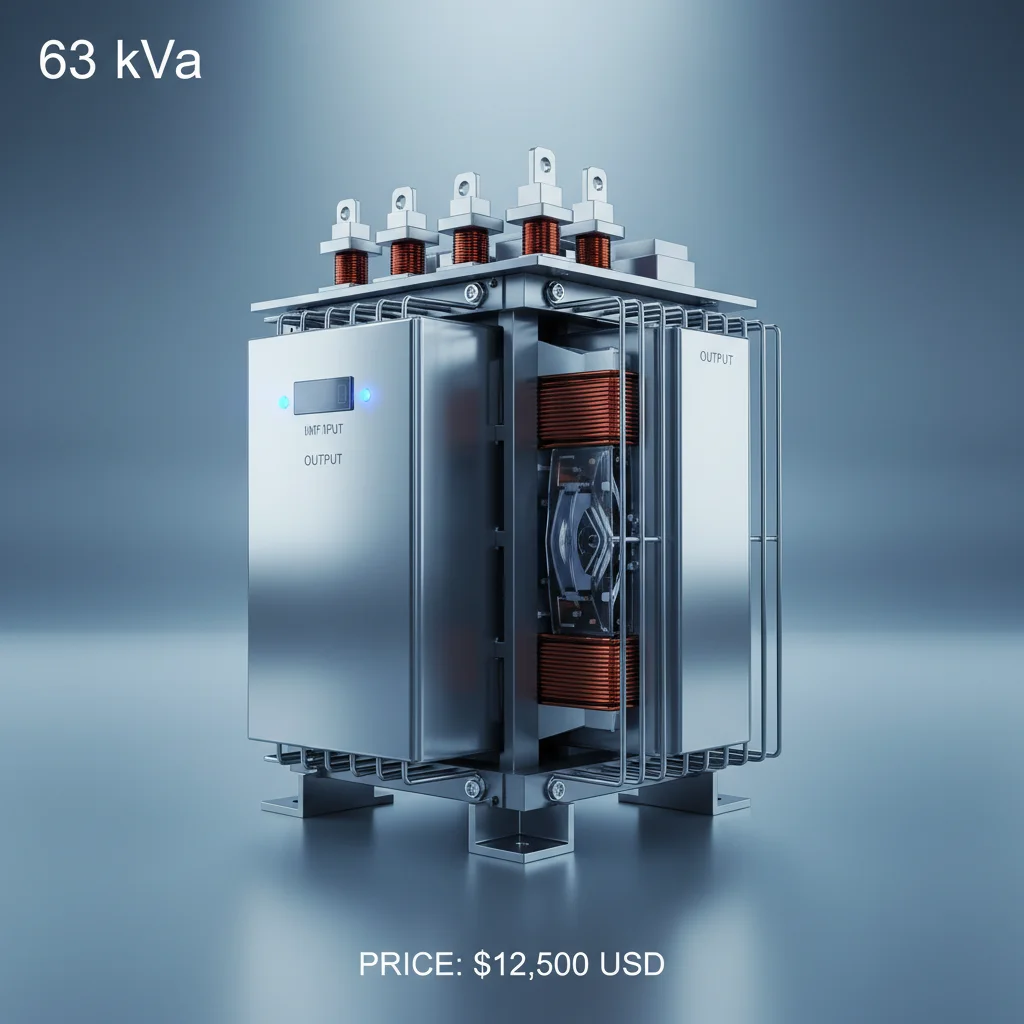
The advantage of a good transformer? Reliability. They just keep on ticking. Efficiency is also key, especially with rising energy costs. And a well-designed transformer should have a long service life – 20, 30 years, maybe even longer. But, let's be real, they're heavy, bulky, and can be expensive. And the oil-filled ones… well, they pose an environmental risk if there's a leak.
Customization is huge. We had one customer, a food processing plant, who needed a transformer with a very specific cooling system to handle the high humidity and temperature fluctuations. We designed a custom solution with forced-air cooling and a special corrosion-resistant coating. It wasn't cheap, but it solved their problem. We also do custom winding configurations to meet specific voltage and current requirements.
Case Study: The Shenzhen Smart Home Project and electrical transformer suppliers
Last month, that small boss in Shenzhen who makes smart home devices – real hustler, always chasing the latest tech – insisted on changing the interface to for all the power supplies. The result? His transformer supplier couldn’t deliver the required current and voltage through a connector without overheating. Total disaster. He lost weeks of production time. It was a classic case of form over function. He wanted something trendy, something that would look good in his marketing materials, but he didn't think about the practical implications.
He called me, desperate, looking for a solution. We ended up redesigning the power supply to use a standard barrel connector, and everything worked fine. He wasn't happy about it, but he learned a valuable lesson. Sometimes, the old ways are the best ways.
Anyway, I think it’s a reminder that even the smartest devices need a solid, reliable power source.
Key Performance Indicators for Electrical Transformer Supplier Evaluation
| Supplier Reliability |
Product Quality Score |
Lead Time (Days) |
Price Competitiveness (1-5) |
| Excellent – consistently delivers on time |
9/10 – Meets all specifications and standards |
30 |
4 |
| Good – occasional minor delays |
8/10 – Minor cosmetic imperfections |
45 |
3 |
| Average – inconsistent delivery |
7/10 – Requires closer quality control |
60 |
2 |
| Poor – frequent delays and communication issues |
6/10 – Frequent defects and rework |
90 |
1 |
| Excellent – proactive communication and support |
10/10 – Exceeds expectations in all areas |
25 |
5 |
| Good – responsive to inquiries and issues |
8.5/10 – Generally reliable with minor improvements needed |
35 |
4 |
FAQS
A well-maintained transformer, under normal operating conditions, can easily last 25-30 years, sometimes even longer. The key is regular inspections, oil analysis (for oil-filled transformers), and preventative maintenance. Ignoring small issues can lead to catastrophic failure, which is expensive and disruptive. I've seen some that are still running strong after 40 years, but those are exceptions, not the rule.
Transformer efficiency is hugely important, especially with energy costs rising. Even a small percentage improvement in efficiency can translate into significant savings over the lifetime of the transformer. A reasonable expectation for a modern, well-designed transformer is around 98-99% efficiency. Anything below 97% should raise red flags. Lower efficiency means more energy lost as heat, which can also shorten the transformer's lifespan.
That depends on the application. Oil-filled transformers are generally more efficient and have a higher overload capacity, but they pose an environmental risk due to the oil. Dry-type transformers are safer, require less maintenance, and are suitable for indoor applications. But they’re typically more expensive and less efficient. You gotta weigh the pros and cons based on your specific needs and environmental regulations.
Overheating is the biggest killer. That can be caused by overloading, poor cooling, or internal faults. Other common causes include insulation breakdown, short circuits, and lightning strikes. Prevention involves regular maintenance, proper cooling, surge protection, and ensuring the transformer isn't operated beyond its rated capacity. Basically, don’t push it too hard!
Absolutely! You can upgrade the cooling system, replace the oil with a more modern type, or even rewind the core with more efficient materials. Retrofitting can be a cost-effective way to extend the life of an existing transformer and improve its performance, rather than replacing it entirely. It’s worth exploring those options.
Solid-state transformers are getting a lot of attention, but they're still expensive. Smart transformers with integrated monitoring and control systems are becoming more common. And there's a lot of research going into using new core materials and insulation materials to improve efficiency and reduce size. But honestly, the biggest trend is just the increasing demand for reliable, efficient transformers to support the growth of renewable energy.
Conclusion
So, what does it all come down to? Electrical transformer suppliers are the backbone of modern power systems. Choosing the right transformer, ensuring proper installation and maintenance, and staying up-to-date with the latest technologies are all crucial for ensuring a reliable and efficient power supply. It’s a complex field, and there’s a lot to learn.
Ultimately, whether this thing works or not, the worker will know the moment he tightens the screw. You can have all the fancy engineering and testing in the world, but if it doesn't perform in the field, it's worthless. That's why I trust my gut, listen to the guys on the ground, and always prioritize practicality over hype. Visit our website: www.xcdmagnetic.com