
Hit enter to search or ESC to close
To be honest, things have been crazy busy lately. Seems like everyone’s talking about miniaturization, you know? Everything’s gotta be smaller, lighter… especially in power distribution. Folks are pushing for more efficient transformers, compact designs, the works. But believe me, chasing smaller isn’t always smarter. I saw a team almost burn down a factory last year trying to cram too much into too little space. Heat dissipation, right? Gotta think about that.
It's funny, you spend all this time in the design phase, poring over specs, running simulations… but it's out on the construction site where you really learn things. For instance, everyone gets hung up on the core material – amorphous, nanocrystalline, whatever's the latest buzz. But they often forget about the insulation. That’s where things really fall apart. I encountered this at a factory in Suzhou last time, the entire batch was scrapped because the varnish wasn’t applied correctly. Smelled awful, too. Like burnt sugar mixed with… well, something chemical.
We’ve been using a lot of silicon steel these days, mostly M3 grade. It's a good balance between cost and performance. Feels… solid, you know? Not flimsy like some of the cheaper stuff. You can tell a good sheet of silicon steel by the way it rings when you tap it. It's a subtle thing, but you get a feel for it after a while. And the winding wire… copper, obviously. But the enamel coating is crucial. We use a polyesterimide coating, it holds up really well to temperature and abrasion. I've seen guys try to use PVC, it just melts. Just melts. Anyway, I think choosing the right materials is half the battle.
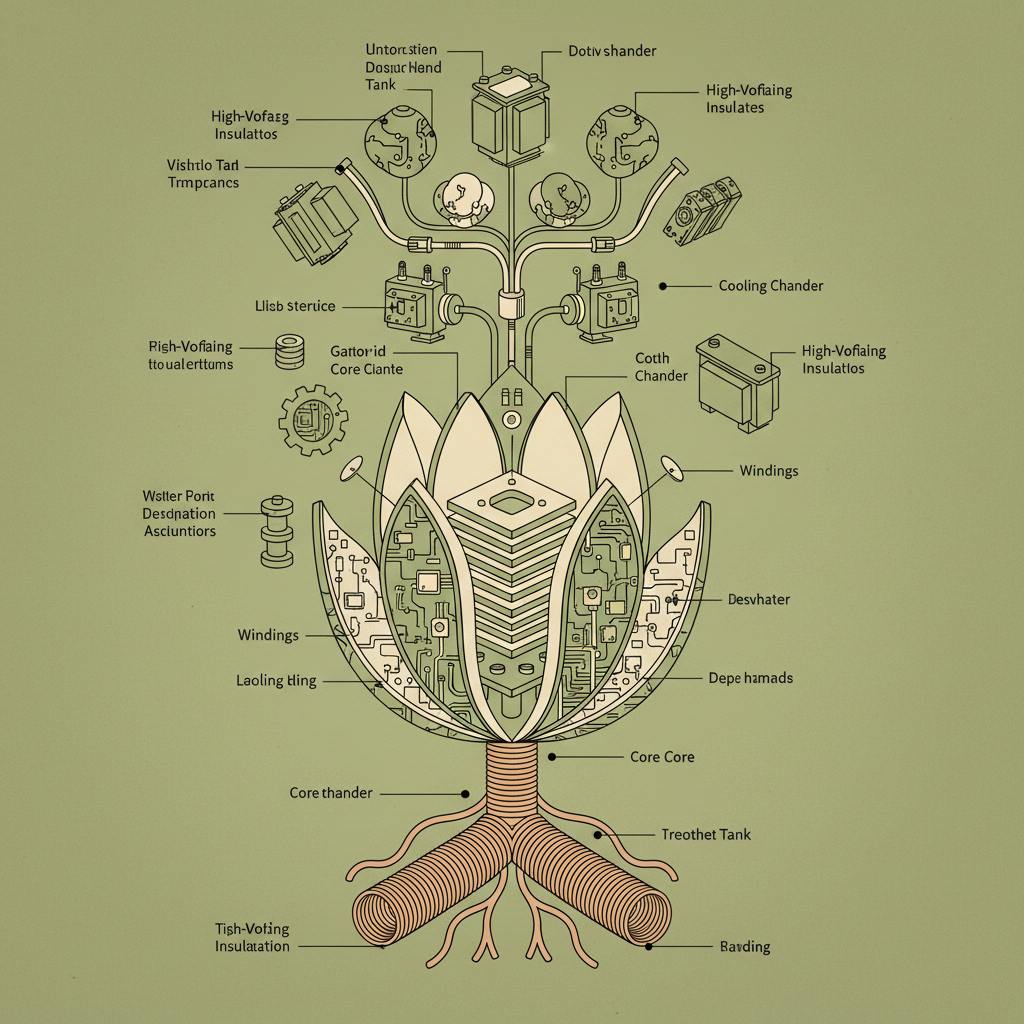
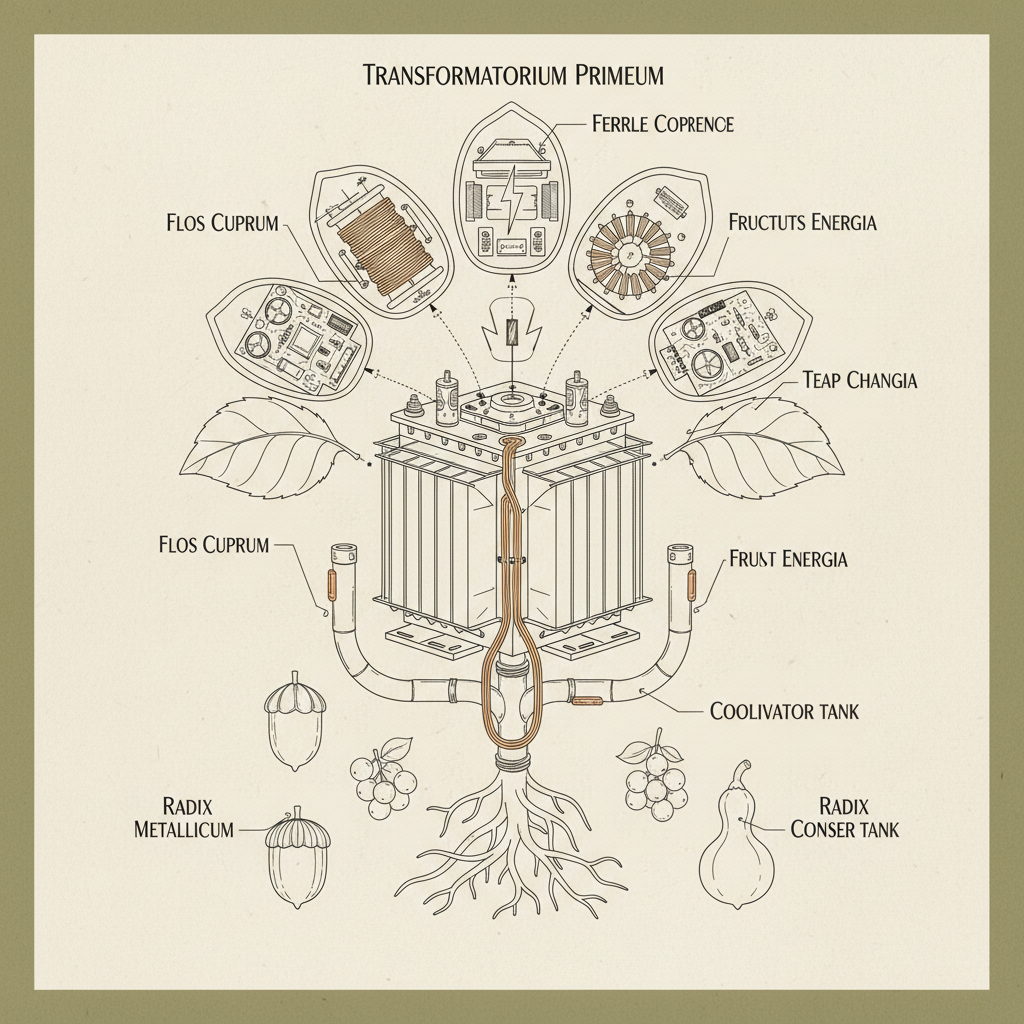
Have you noticed everyone is going crazy for digital monitoring? Smart transformers, they call ‘em. Sensors everywhere, reporting back data… it’s good, sure, gives you a lot of insight. But it adds complexity. And complexity adds points of failure. Strangely, the guys on the ground, the electricians, they don't really want all that data. They just want it to work.
One big pitfall? Ignoring thermal management. You can design the most efficient core, the best windings, but if you can’t get the heat out, it’s all for nothing. And it's not just about airflow. You gotta consider the ambient temperature, the load profile, everything. It's a system, see? It’s not just a collection of parts.
A well-maintained transformer company can easily last 30-40 years, sometimes even longer. It really depends on the operating conditions, the load profile, and how well it’s been cared for. Regular oil analysis, proper cooling, and timely repairs are key. Neglect it, and you’re looking at a much shorter lifespan. We've seen some units fail after just 5 years due to overheating and contamination.
Environmental factors like humidity, temperature, and altitude can all impact transformer company performance. High humidity can lead to corrosion, while extreme temperatures can affect the dielectric strength of the insulation. Altitude affects cooling efficiency. It's crucial to select a transformer company designed for the specific environment in which it will be operating. We offer options with special coatings and enclosures for harsh conditions.
Safety is paramount. Always de-energize and lock out the transformer company before performing any maintenance. Use proper personal protective equipment (PPE), including insulated gloves and safety glasses. Be aware of the potential for high voltages and currents. Never work alone. And always follow established safety procedures. Seriously, don’t mess around with this stuff.
Often, transformers can be repaired, especially if the damage is not too extensive. Common repairs include winding replacements, core restoration, and oil filtration. However, sometimes replacement is the more cost-effective option, particularly for older units or those with severe damage. We offer both repair and replacement services, and we'll always advise our customers on the best course of action.
Smart transformers play a critical role in modern smart grids. They incorporate advanced monitoring and control systems that allow for real-time optimization of power flow and voltage regulation. They can also support bidirectional power flow, enabling integration of renewable energy sources. They’re essential for creating a more efficient, reliable, and sustainable power grid.
Generally, larger transformers tend to be more efficient than smaller ones. This is due to the lower core losses and copper losses per kVA. However, it’s not a simple relationship. There are diminishing returns. Choosing the right size is crucial – too small, and you'll have higher losses; too large, and you'll have higher initial costs. It's all about finding the sweet spot for your specific application.
So, there you have it. Building and deploying transformers isn’t just about fancy designs and high-tech materials. It’s about understanding the real-world challenges, the nuances of on-site installation, and the practical needs of the people who actually use them. It's a blend of engineering, experience, and a healthy dose of common sense.
Ultimately, whether this thing works or not, the worker will know the moment he tightens the screw. And if he’s shaking his head, you've got a problem. That's why we spend so much time out in the field, talking to the guys on the ground. They're the ones who tell us what really matters. And if you want to learn about transformer company, you gotta listen to them. Visit our website: transformer company.