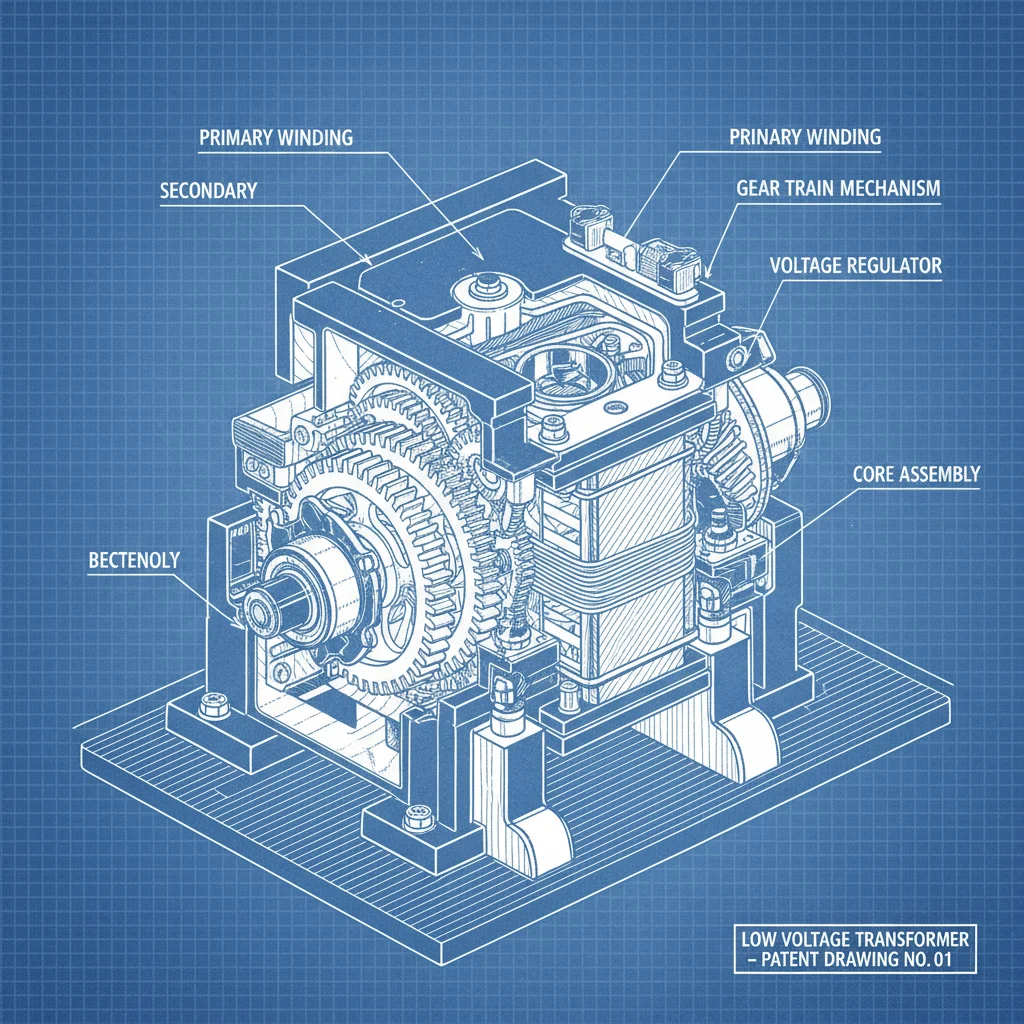
The evolution of power distribution in industrial environments has led to the emergence of the powerformer dry type transformer, a specialized component designed to bridge the gap between high-capacity power needs and stringent safety requirements. By eliminating the need for flammable cooling oils, these units provide a reliable method for voltage regulation in areas where fire safety is paramount, such as high-rise buildings and underground facilities.
Globally, the shift toward sustainable urban infrastructure and "smart" factories has increased the demand for efficient energy conversion. The powerformer dry type transformer addresses the critical challenge of minimizing environmental footprints while maximizing operational uptime, making it a cornerstone of modern electrical engineering.
Understanding the technical nuances of these transformers—from their cast-resin insulation to their thermal management systems—allows engineers to optimize grid stability and reduce long-term maintenance costs. This comprehensive guide explores how this technology is reshaping the landscape of electronic component manufacturing and power distribution.
Global Relevance of Powerformer Dry Type Transformer
In the current global industrial landscape, the powerformer dry type transformer has become indispensable due to the rising standards of ISO and other international safety certifications. As cities densify and industrial zones move closer to residential areas, the risk associated with oil-filled transformers—specifically leakages and fire hazards—has prompted a systemic shift toward dry-type solutions.
Statistics from energy agencies indicate that the adoption of dry-type technology reduces the requirement for expensive containment pits and fire-suppression systems by up to 40%. This makes the powerformer dry type transformer not just a technical choice, but a financial strategy to reduce capital expenditure in infrastructure development.
Defining the Powerformer Dry Type Transformer Mechanism
At its core, a powerformer dry type transformer is an electrical device that transfers energy between circuits through electromagnetic induction, utilizing air or a solid insulating material (like epoxy resin) rather than liquid oil for cooling and insulation. This "dry" approach ensures that the device is inherently self-extinguishing and non-polluting.
The connection to modern industry is profound; as we integrate more sensitive electronic components—such as common mode inductors and high-frequency transformers—into our power grids, the need for a stable, leak-free power source becomes critical. The dry-type design eliminates the risk of oil contamination in clean-room environments or pharmaceutical plants.
Furthermore, these transformers are engineered to handle significant thermal loads while maintaining a compact footprint. This makes them ideal for humanitarian needs in disaster-prone regions where rapid deployment of electrical infrastructure is required without the logistical burden of transporting and managing hazardous oils.
Core Components for Maximum Reliability
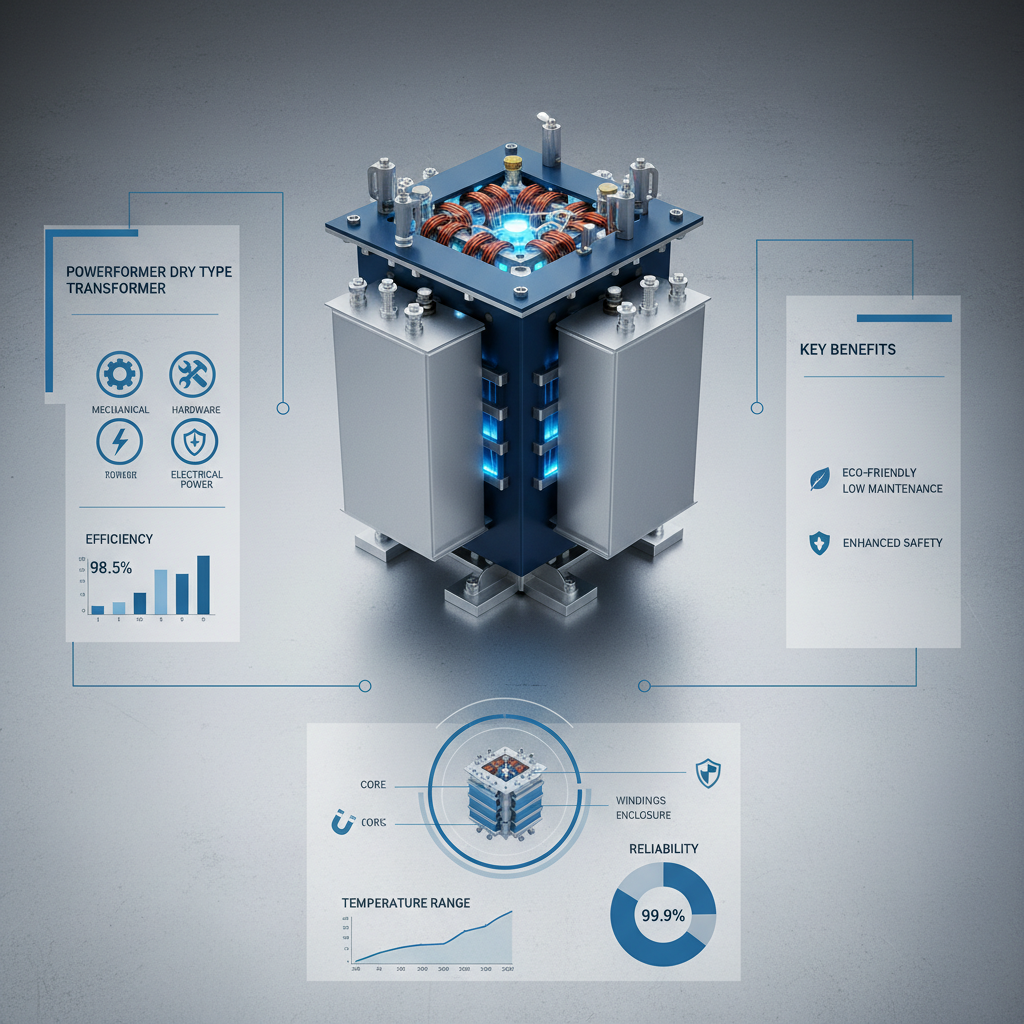
The durability of a powerformer dry type transformer depends heavily on the quality of its winding materials. High-grade copper or aluminum conductors are typically used, ensuring low resistive loss and high conductivity, which directly impacts the overall efficiency of the power distribution network.
Cast resin insulation is the "secret sauce" of the powerformer dry type transformer. By vacuum-casting the windings in an epoxy resin, the manufacturer creates a moisture-proof and dust-proof barrier. This significantly enhances the dielectric strength and ensures that the transformer can operate in humid or corrosive environments without premature failure.
Scalability is achieved through modular core designs. By utilizing high-permeability silicon steel laminations, the powerformer dry type transformer can be scaled from small kVA ratings for specialized electronic equipment to large capacities for industrial plants, all while maintaining a consistent thermal profile.
Practical Performance Benchmarks and Efficiency
When evaluating a powerformer dry type transformer, engineers look at three primary metrics: energy loss (no-load and load loss), thermal dissipation capacity, and harmonic distortion tolerance. Because dry-type units rely on convection or forced air, their efficiency is closely tied to the airflow design around the coils.
Modern iterations of these transformers are now being tested against "Green Energy" standards, where the goal is to minimize the carbon footprint during the manufacturing phase. By optimizing the core geometry, the powerformer dry type transformer can achieve efficiency ratings that rival traditional oil-cooled units.
Efficiency Comparison of Powerformer Dry Type Transformer Variants
Global Industrial Applications and Use Cases
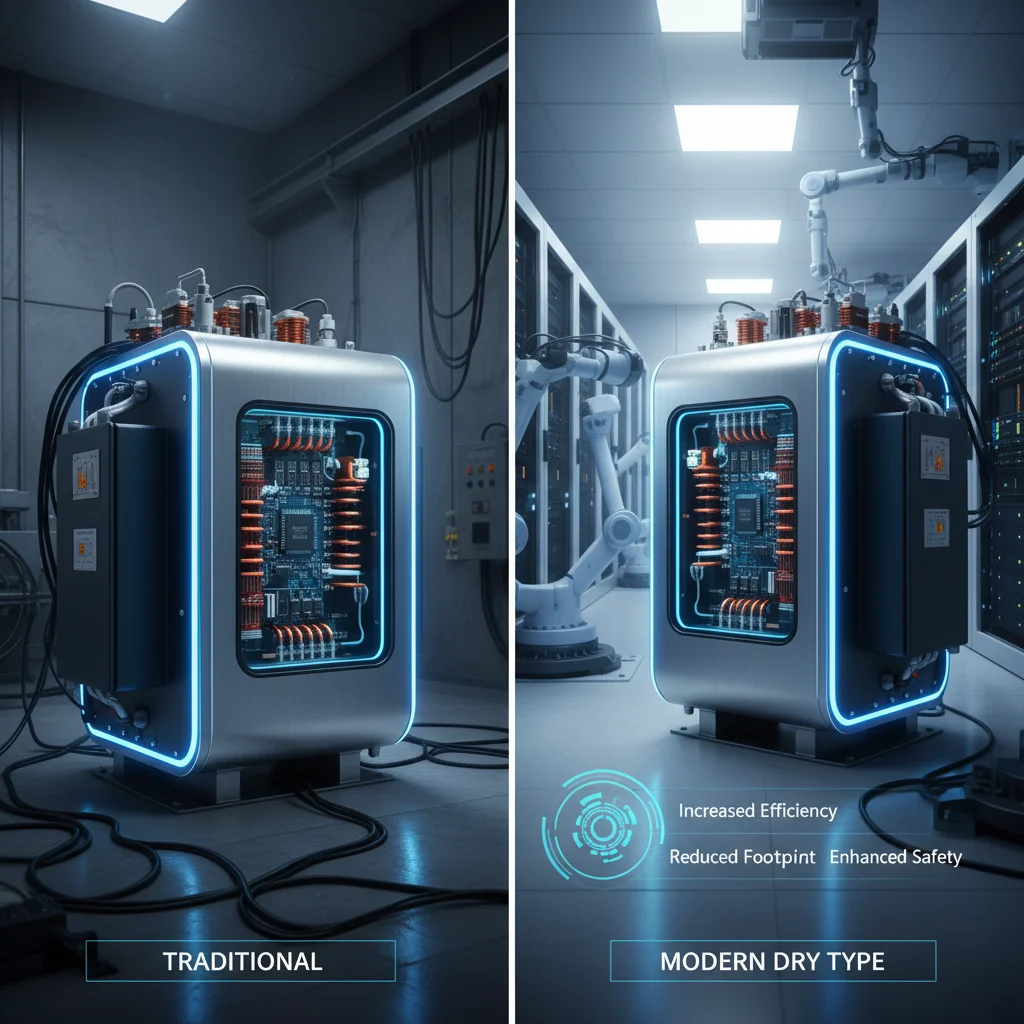
The versatility of the powerformer dry type transformer makes it a primary choice for the data center industry. In facilities where thousands of servers generate immense heat, the use of oil-filled transformers is a liability. Dry-type units provide the necessary voltage step-down with a significantly lower risk of catastrophic fire, ensuring data integrity and personnel safety.
In remote industrial zones, such as mining operations in Australia or oil rigs in the North Sea, the powerformer dry type transformer is preferred due to its low maintenance requirements. Since there is no oil to test, sample, or replace, the operational cost over a 20-year lifecycle is drastically reduced, providing an emotional sense of security for operators working in isolated environments.
Long-term Value and Sustainability Benefits
Investing in a powerformer dry type transformer offers tangible long-term value through the elimination of environmental remediation costs. Traditional transformers often leak PCB-contaminated oils, which can lead to massive fines and expensive soil cleanup. The dry-type alternative is fundamentally eco-friendly, aligning with corporate ESG (Environmental, Social, and Governance) goals.
Beyond the ecological impact, there is a logical value in reliability. The stability of a dry-type system reduces the frequency of unplanned outages. For a manufacturing plant, one hour of downtime can cost tens of thousands of dollars; thus, the trust placed in a high-quality powerformer dry type transformer translates directly into profit protection.
From a social perspective, the installation of these units in public spaces—like airports, hospitals, and shopping malls—promotes a safer urban environment. The peace of mind knowing that the power infrastructure is non-flammable is a silent but powerful benefit that enhances the dignity and safety of public infrastructure.
Future Trends in Powerformer Dry Type Transformer Design
The future of the powerformer dry type transformer is being driven by the "Digital Twin" revolution. We are seeing the integration of IoT sensors directly into the windings to monitor real-time temperature and partial discharge. This allows for predictive maintenance, where a transformer can signal for a check-up before a failure even occurs.
Material science is also playing a huge role. The introduction of nanocrystalline cores is reducing the size of the powerformer dry type transformer while simultaneously lowering core losses. This allows for higher power density, meaning more electricity can be processed in a smaller physical volume, which is critical for the next generation of compact urban power hubs.
Lastly, the drive toward carbon neutrality is pushing the industry toward bio-based resins. By replacing petroleum-derived epoxies with sustainable polymers, the entire lifecycle of the powerformer dry type transformer—from production to decommissioning—becomes a closed-loop, green process.
Comparative Analysis of Powerformer Dry Type Transformer Technical Specifications
| Design Variant |
Insulation Class |
Maintenance Level |
Environmental Impact |
| Standard Cast Resin |
Class F (155°C) |
Low |
Minimal |
| High-Temp Industrial |
Class H (180°C) |
Very Low |
Low |
| Eco-Friendly Bio-Resin |
Class F (155°C) |
Low |
Negligible |
| IoT-Enabled Smart Unit |
Class H (180°C) |
Predictive |
Minimal |
| Compact Urban Module |
Class F (155°C) |
Low |
Minimal |
| Custom High-Freq Hybrid |
Class H (180°C) |
Medium |
Low |
FAQS
The primary safety advantage is the absence of flammable insulating oil. In the event of an internal fault or external heat source, a powerformer dry type transformer does not risk oil leaks or explosive fires, making it ideal for indoor installations, basements, and high-occupancy buildings where evacuation is difficult.
With proper installation and ventilation, these units typically have a service life of 20 to 30 years. Because they are sealed in resin, they are protected from oxidation and moisture, which are the primary causes of degradation in other transformer types, resulting in high long-term reliability.
While the initial purchase price may be higher than some oil-filled alternatives, the "total cost of ownership" is usually lower. This is because you save on expensive oil-containment infrastructure, fire suppression systems, and ongoing oil testing and maintenance costs.
Yes, especially the vacuum-cast resin models. The resin provides an airtight seal around the windings, preventing moisture ingress and corrosion. This makes them highly suitable for coastal regions or industrial plants with high humidity levels.
Maintenance is minimal compared to oil units. It primarily involves periodic inspections to ensure that cooling vents are not blocked by dust or debris and checking electrical connections for tightness. Some advanced units use sensors to automate this monitoring process.
Absolutely. Their ability to handle harmonic distortions and provide stable voltage regulation makes them an excellent choice for integrating solar and wind energy into the local grid, especially in urban settings where space and safety are limited.
Conclusion
The powerformer dry type transformer represents a critical intersection of safety, efficiency, and environmental responsibility. By removing the hazards of liquid coolants and embracing advanced resin insulation and smart monitoring, these units ensure that our modern power grids remain resilient and sustainable. From reducing fire risks in crowded cities to lowering maintenance costs in remote mines, the value proposition is clear: it is a superior choice for the future of power distribution.
As we move toward a more electrified and digital world, the integration of high-density materials and IoT capabilities will only further enhance the capabilities of dry-type technology. For businesses and engineers looking to future-proof their infrastructure, adopting these advanced transformers is no longer optional—it is a strategic necessity. Visit our website to explore our full range of solutions: www.xcdmagnetic.com