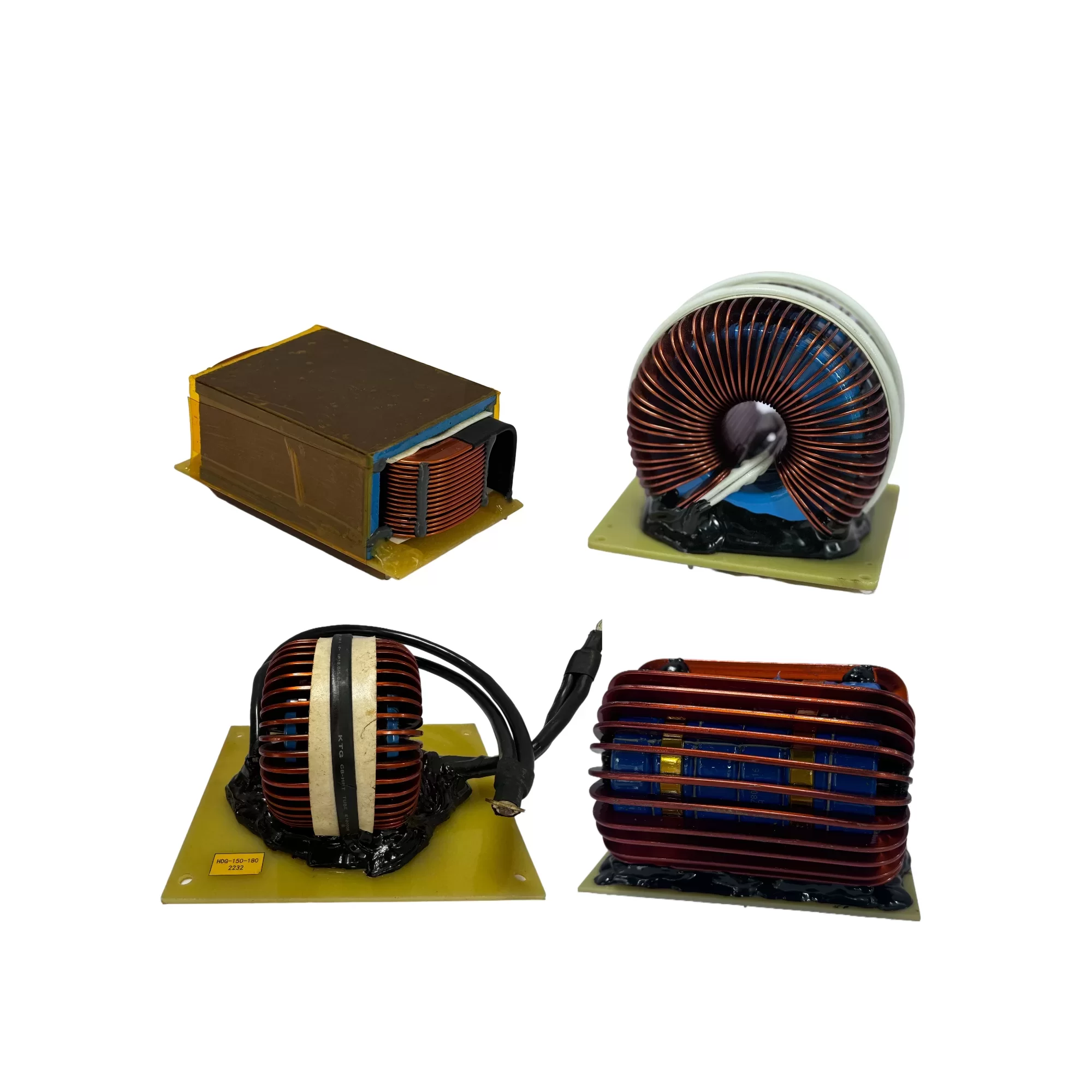
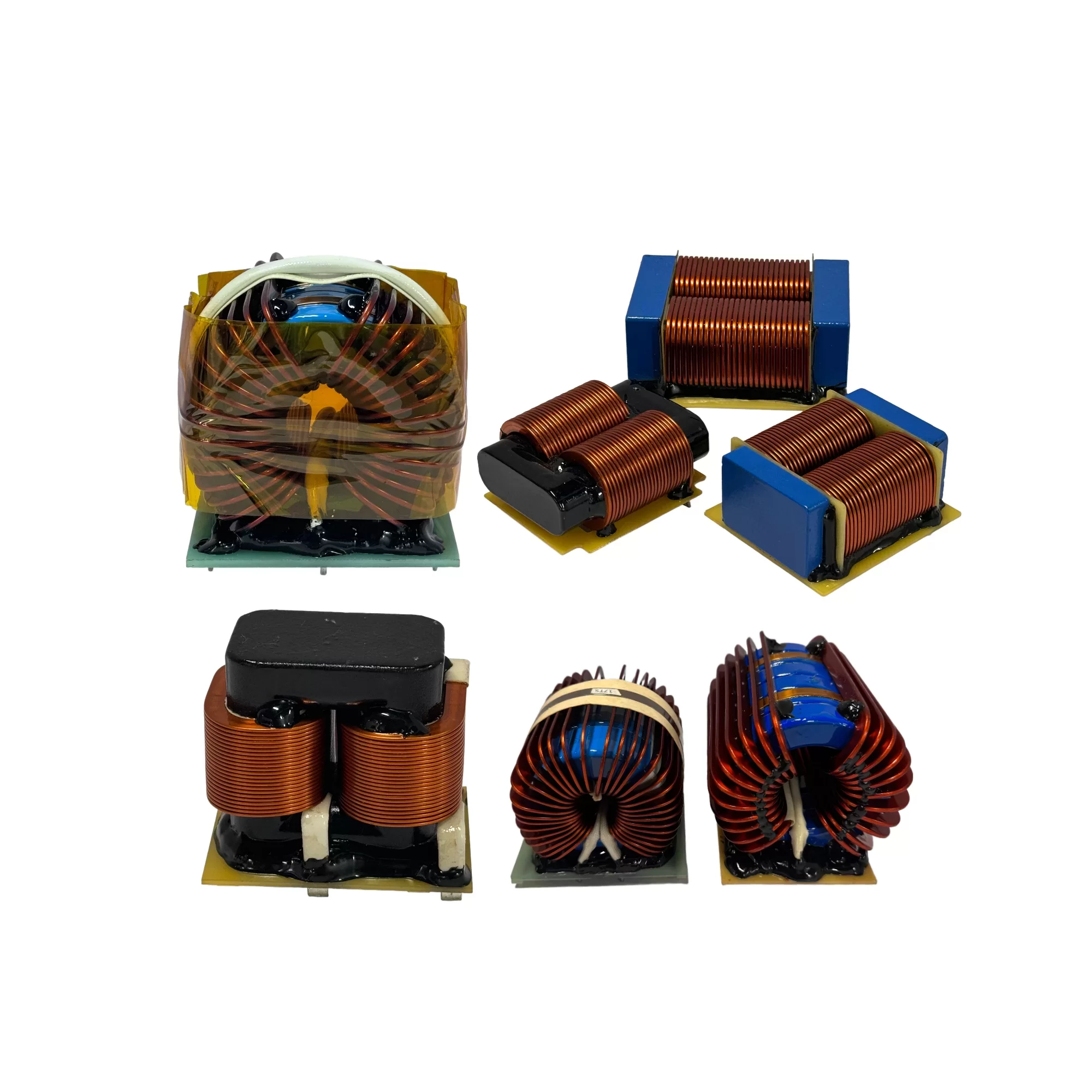
Advanced metal power inductor Solutions for New Zealand Industrial Electronics

Advanced metal power inductor Solutions for New Zealand Industrial Electronics

Precision-engineered magnetic components designed to empower Oceania's most demanding power conversion and filtering applications with unmatched efficiency.

Advanced metal power inductor Solutions for New Zealand Industrial Electronics

Providing high-performance inductive components tailored for New Zealand's specific electronic manufacturing needs, focusing on stability, heat dissipation, and energy efficiency.

Electronic Component Landscape in New Zealand

Analyzing the demand for high-reliability inductors in the Oceania region.

New Zealand's electronic manufacturing sector is characterized by a strong emphasis on high-reliability systems for agricultural technology (AgriTech) and renewable energy. Due to the geographically isolated nature of the region, there is a critical demand for components like the bead inductor that can withstand fluctuating environmental conditions while maintaining signal integrity.

The local market is shifting towards sustainable "Green Tech" initiatives. This has increased the requirement for high-efficiency power modules where a coupled inductor buck converter is essential for reducing footprint and improving thermal management in compact outdoor equipment.

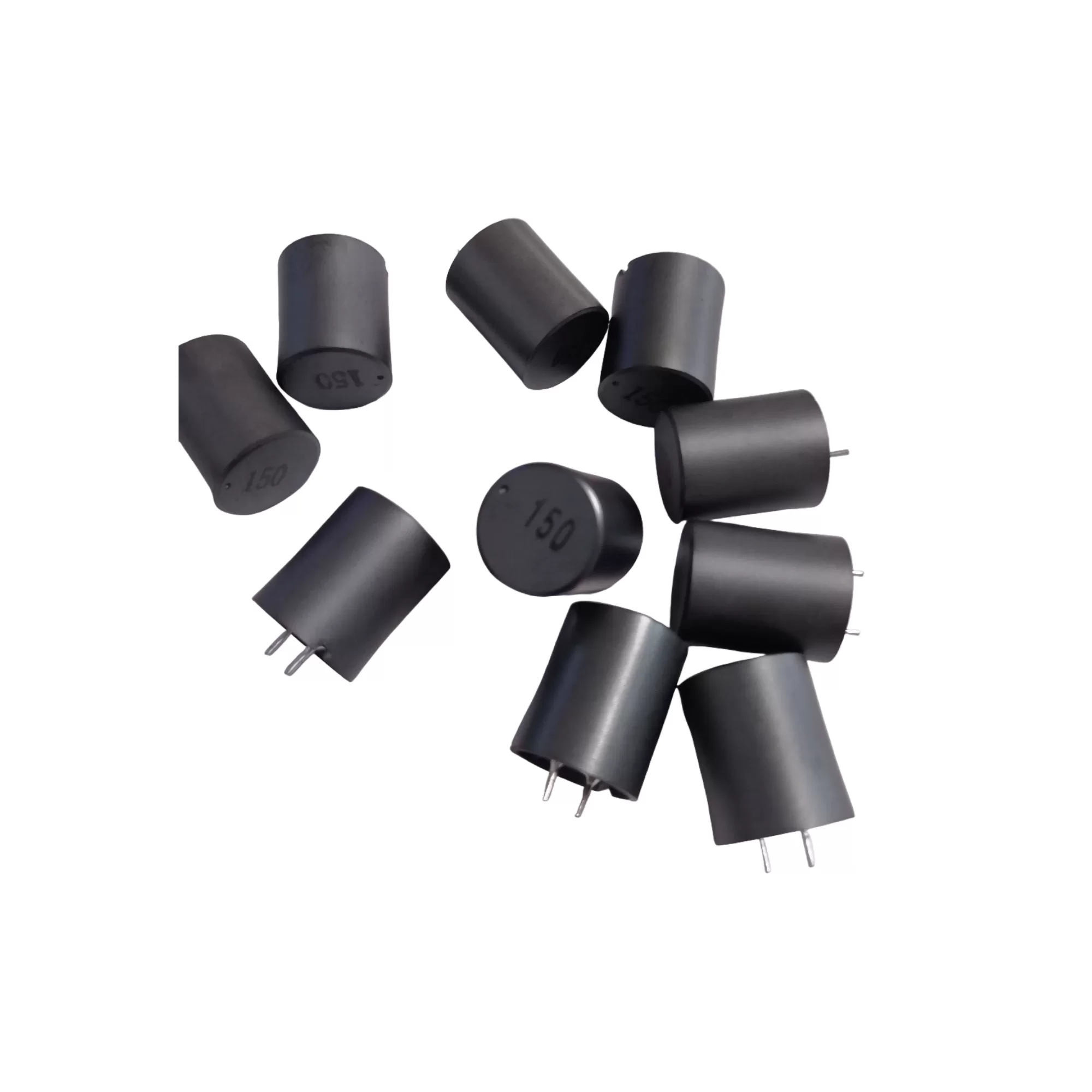
Moreover, New Zealand's strict environmental regulations drive the need for materials that are both durable and compliant. The adoption of a robust drum inductor has become standard for power filtering in regional infrastructure projects, ensuring stability across varying load profiles.
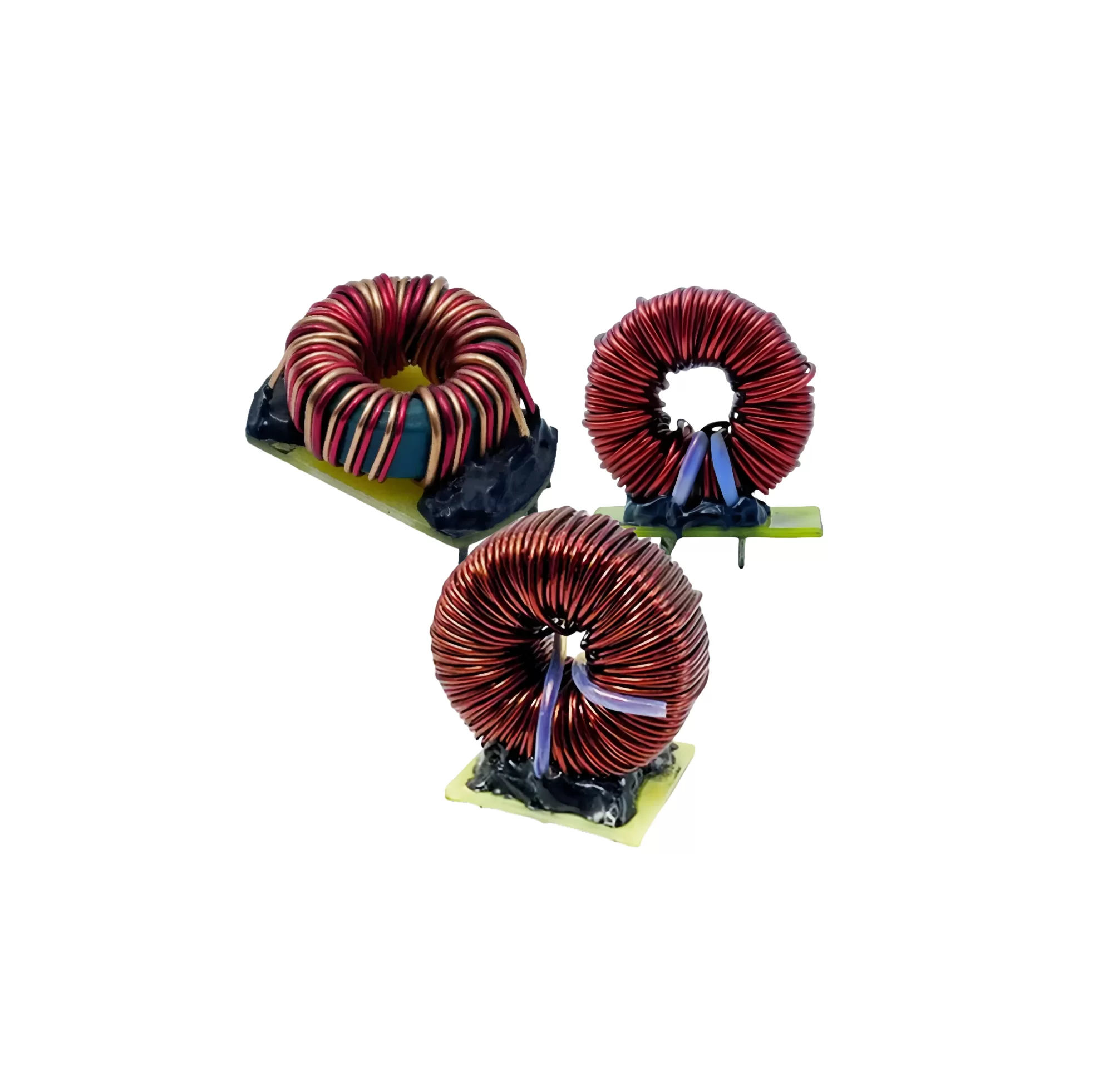
Evolution of Inductive Technology in Oceania

From basic filtering to complex multi-phase power management.

Market Development History

In the early 2000s, the New Zealand market relied heavily on generic ferrite cores and basic air-core designs for simple noise suppression. The focus was primarily on durability over efficiency, using standard components for basic power rectification.

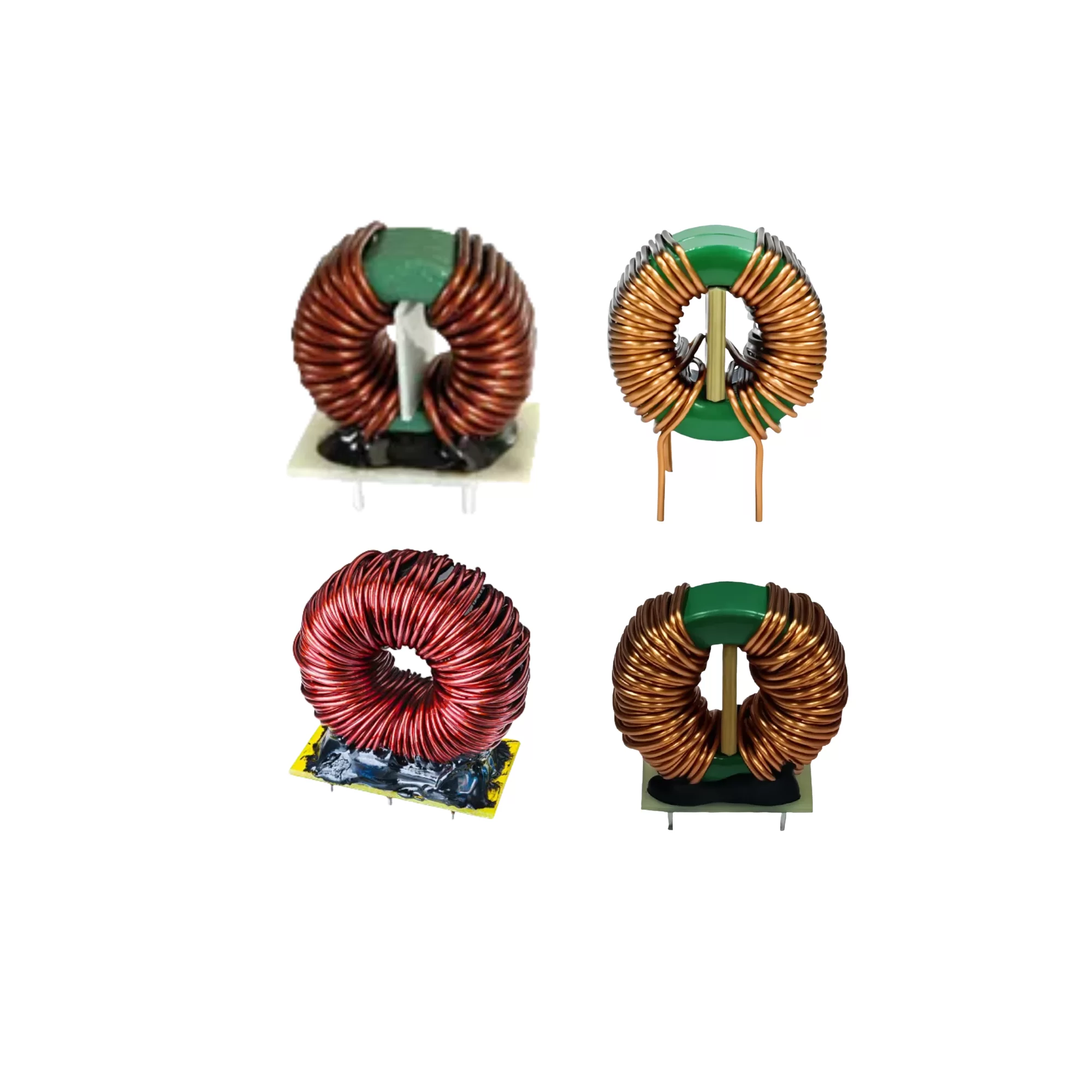
Between 2010 and 2020, the rise of smart farming and IoT in Oceania triggered a shift toward miniaturization. This era saw the widespread integration of the coupled inductor model to support high-frequency switching and precise DC-DC conversion in remote sensor nodes.

Entering the 2020s, the focus has pivoted toward extreme power density. The transition to wide-bandgap semiconductors (GaN/SiC) has mandated a move toward advanced magnetic materials to minimize core losses and maximize energy throughput.

Future Development Trends

High-Frequency Miniaturization

Driven by the demand for ultra-compact wearables and industrial sensors, the market is moving toward nano-crystalline materials to reduce the volume of inductors without sacrificing inductance.

AI-Driven Magnetic Design

The integration of simulation software is allowing New Zealand engineers to customize magnetic topologies, optimizing the coupling coefficient for multi-phase buck converters.

Carbon-Neutral Manufacturing

There is a growing trend toward using recycled metals and cobalt-free alloys in inductor production to align with New Zealand's 2050 net-zero emissions goal.

Future Trends and Strategic Outlook

Predicting the trajectory of electronic component demand in New Zealand.

Renewable Energy Integration
Increased adoption of high-current inductors for solar inverters and wind energy storage systems.
Automated Agri-Robotics
Demand for low-EMI inductors to support autonomous livestock and crop monitoring systems.
Edge Computing Growth
High-efficiency power modules for regional data centers focusing on low latency and low power loss.
Smart Grid Evolution
Upgrading power distribution with advanced magnetic components to handle bi-directional energy flow.

Industry Outlook

Looking ahead 3-5 years, Google search trends for "high-density power conversion" and "EMI reduction" in the Oceania region show a significant upward curve. This indicates that New Zealand engineers are prioritizing the efficiency of power delivery over simple component cost.

The trajectory suggests a convergence between industrial automation and sustainable energy, where the ability to design custom magnetic circuits will become a competitive advantage for local electronic manufacturers.

Local Application Scenarios in New Zealand

Practical implementations of inductor technology in regional industries.

01. Solar Energy Inverters for Rural Farms

Utilizing high-saturation power inductors to manage high current spikes in off-grid solar systems across the Canterbury Plains, ensuring stable power for automated irrigation.

02. Marine Electronics for Pacific Shipping

Implementing specialized filtering components to protect sensitive navigation equipment from electromagnetic interference (EMI) in harsh maritime environments.

03. Ag-Tech IoT Sensor Hubs

Using miniature power modules with optimized buck converters for long-term battery operation in remote soil moisture and livestock tracking sensors.

04. Electric Vehicle (EV) Charging Infrastructure

Integrating high-performance magnetic components into rapid charging stations to optimize power efficiency and reduce thermal throttling in urban centers like Auckland.

05. Precision Medical Equipment

Applying ultra-low noise inductors in diagnostic imaging and patient monitoring systems within New Zealand's healthcare facilities to ensure signal purity.

Brand Story

Global Development Journey of Huizhou Xinchangda Electronic Co., Ltd.

Foundation and Vision

Established with a commitment to solving the core instability issues in power inductors, Xinchangda began by mastering high-precision winding technologies.

Technological Breakthroughs

We innovated new core material applications, significantly reducing energy loss and enabling the production of ultra-compact power components.

Global Market Expansion

Expanding beyond domestic borders, we tailored our product lines to meet the rigorous standards of the Oceania and European industrial markets.

Quality Certification Excellence

By achieving international quality certifications, we guaranteed the reliability of our components for mission-critical electronic applications.

Sustainable Future Commitment

Today, we focus on eco-friendly manufacturing and the development of high-efficiency magnets to support the global transition to green energy.

Complete Magnetic Product Portfolio for New Zealand

A comprehensive range of inductors designed for the unique electrical requirements of the Oceania region.

Frequently Asked Questions - New Zealand Market

Technical insights and procurement guidance for local engineers.

How to select the right coupled inductor model for high-frequency DC-DC converters?

Selection should focus on the coupling coefficient, saturation current, and DC resistance (DCR). For high-frequency applications, ensure the core material minimizes eddy current losses to maintain efficiency.

What are the advantages of using a bead inductor for EMI suppression in marine electronics?

Bead inductors provide excellent high-frequency impedance, effectively filtering out noise without adding significant capacitance, which is crucial for maintaining signal integrity in complex marine communication systems.

Can a metal power inductor operate reliably in New Zealand's variable outdoor temperatures?

Yes, our metal power inductors are designed with high thermal stability. The metallic shielding helps in heat dissipation, ensuring consistent performance even in fluctuating environmental conditions.

Why choose a drum inductor over other types for industrial power filtering?

Drum inductors offer a great balance between inductance value and physical size, providing a robust structure that handles higher peak currents, making them ideal for industrial-grade power supplies.

What is the primary benefit of a coupled inductor buck topology in compact designs?

The coupled inductor buck allows for reduced ripple current and improved transient response while utilizing a single magnetic core for multiple phases, drastically reducing the PCB footprint.

How do I verify the compliance of magnetic components with New Zealand safety standards?

We provide full material declarations and RoHS/REACH certifications to ensure all components meet the environmental and safety regulations required for the New Zealand market.

Get Expert Technical Support

Our engineering team is ready to help you optimize your magnetic designs for the New Zealand market. Contact us for custom specifications and bulk procurement.

Contact Us Now

If you are interested in our products, you can choose to leave your information here, and we will be in touch with you shortly.