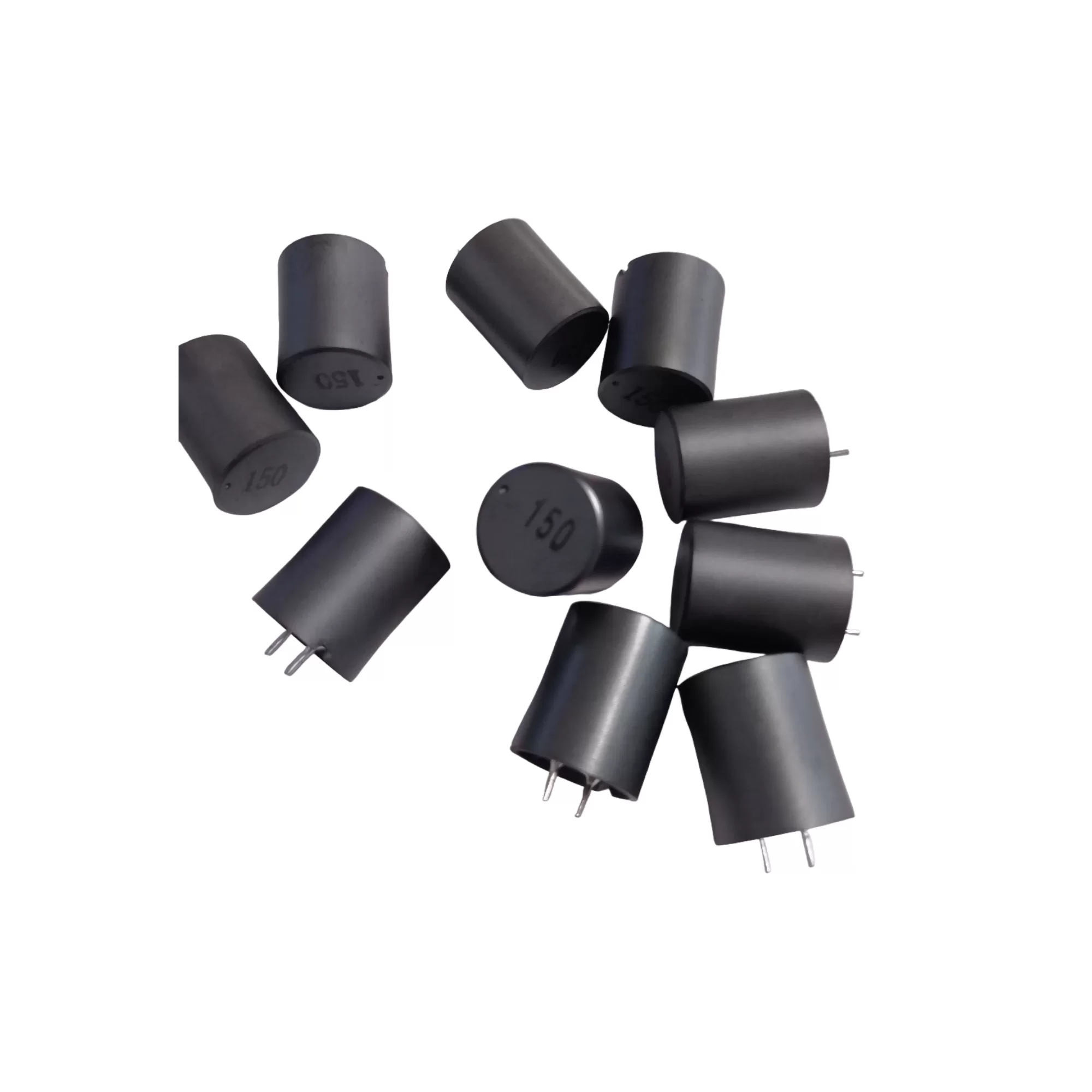
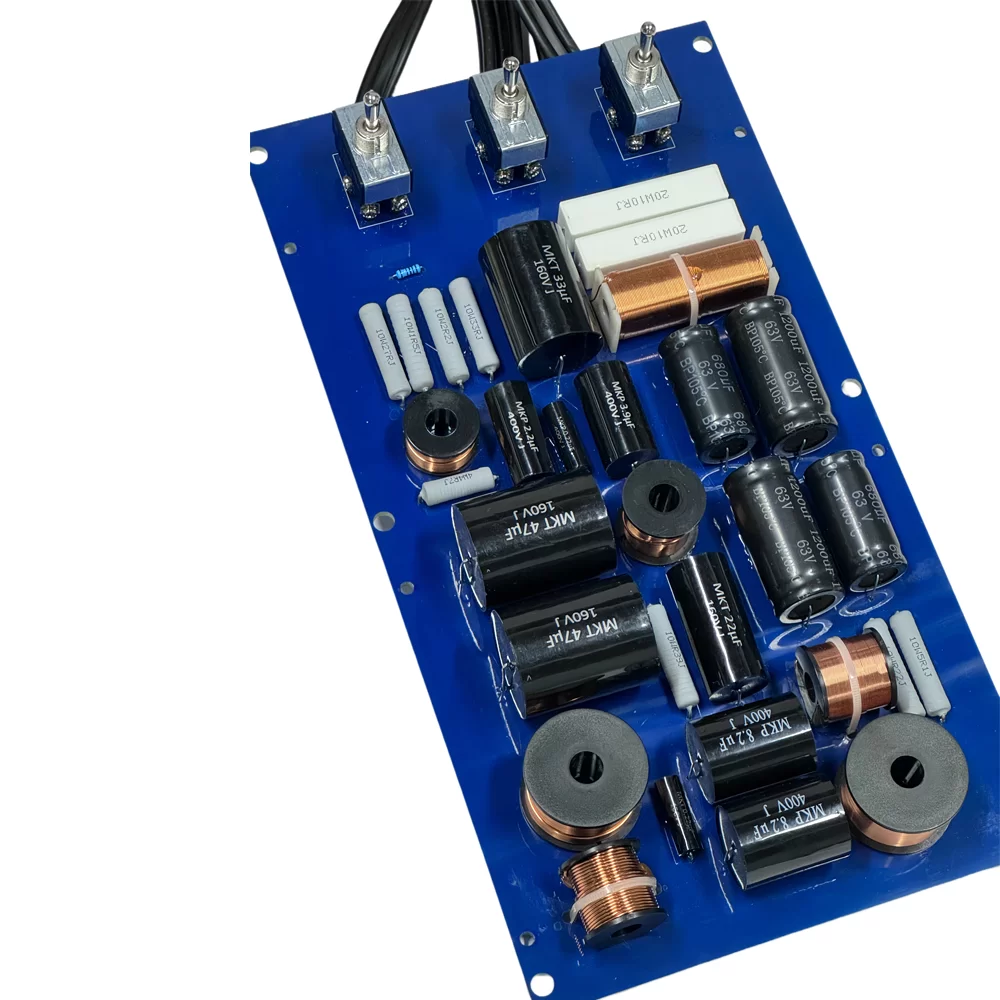
HighPerformance metal power inductor Solutions for Australia’s Electronic Infrastructure

High-Performance metal power inductor Solutions for Australia's Electronic Infrastructure

Precision-engineered magnetic components designed to meet the rigorous demands of the Oceania industrial and telecommunications sectors.

High-Performance metal power inductor Solutions for Australia's Electronic Infrastructure

Providing world-class magnetic components tailored for the Australian market, focusing on high efficiency, thermal stability, and electromagnetic compatibility for critical electronic systems.

The Current State of Magnetic Components in Australia

Analyzing the intersection of extreme climates and high-tech electronics in Oceania.

In Australia, the electronic components market is heavily influenced by the need for thermal resilience. The extreme temperature fluctuations across the continent require a bead inductor and power components that can maintain stable inductance without significant core degradation under high-heat conditions.

With the rapid expansion of 5G infrastructure and renewable energy grids in New South Wales and Victoria, there is a surging demand for high-density power conversion. This has shifted the local preference toward advanced coupled inductor buck topologies to minimize PCB footprint while maximizing efficiency in compact outdoor enclosures.

Furthermore, Australia's commitment to sustainable mining and automated agricultural tech has increased the adoption of ruggedized drum inductor variants, which provide the necessary mechanical durability and current-handling capabilities for heavy-duty industrial controllers.
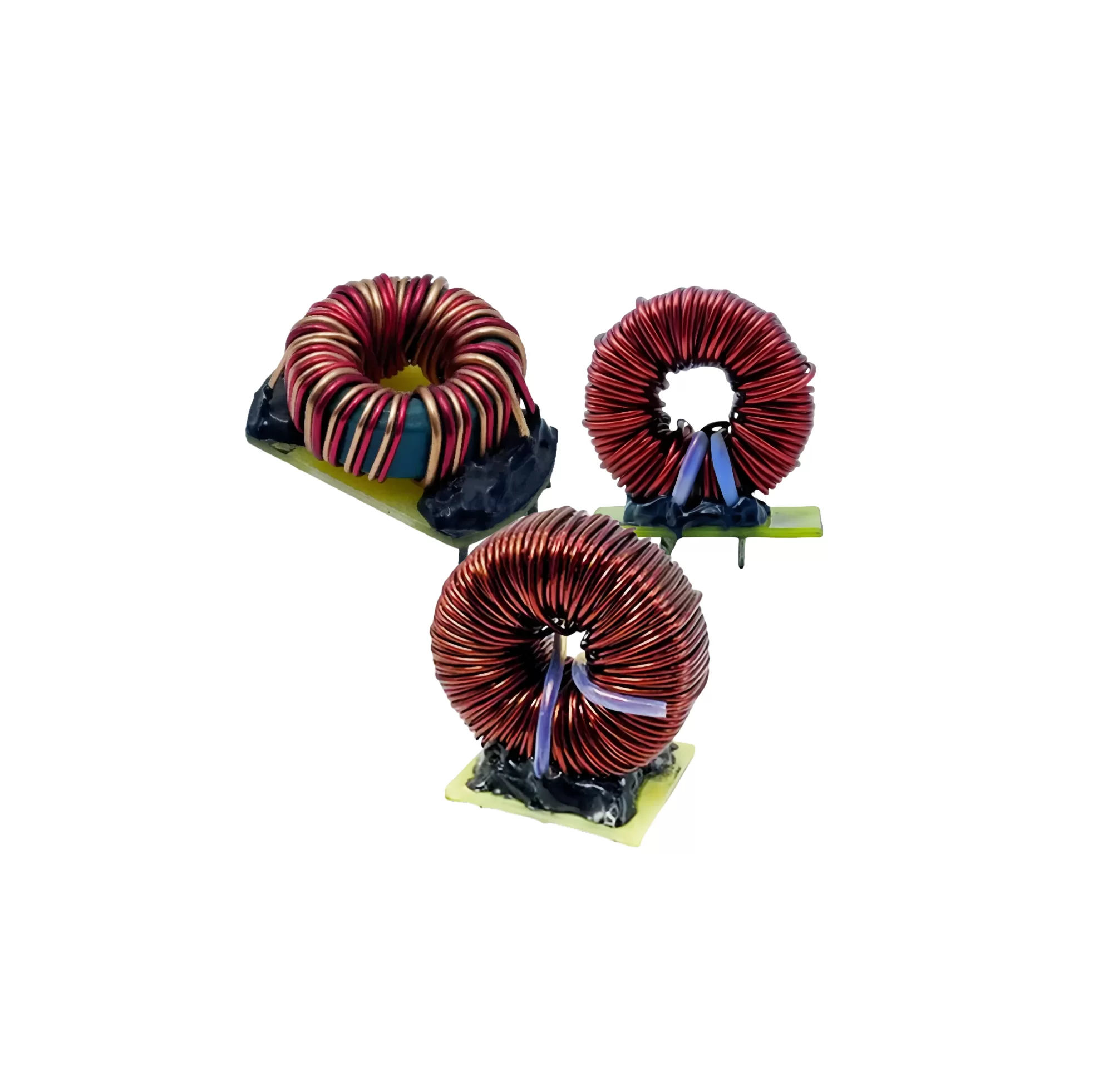
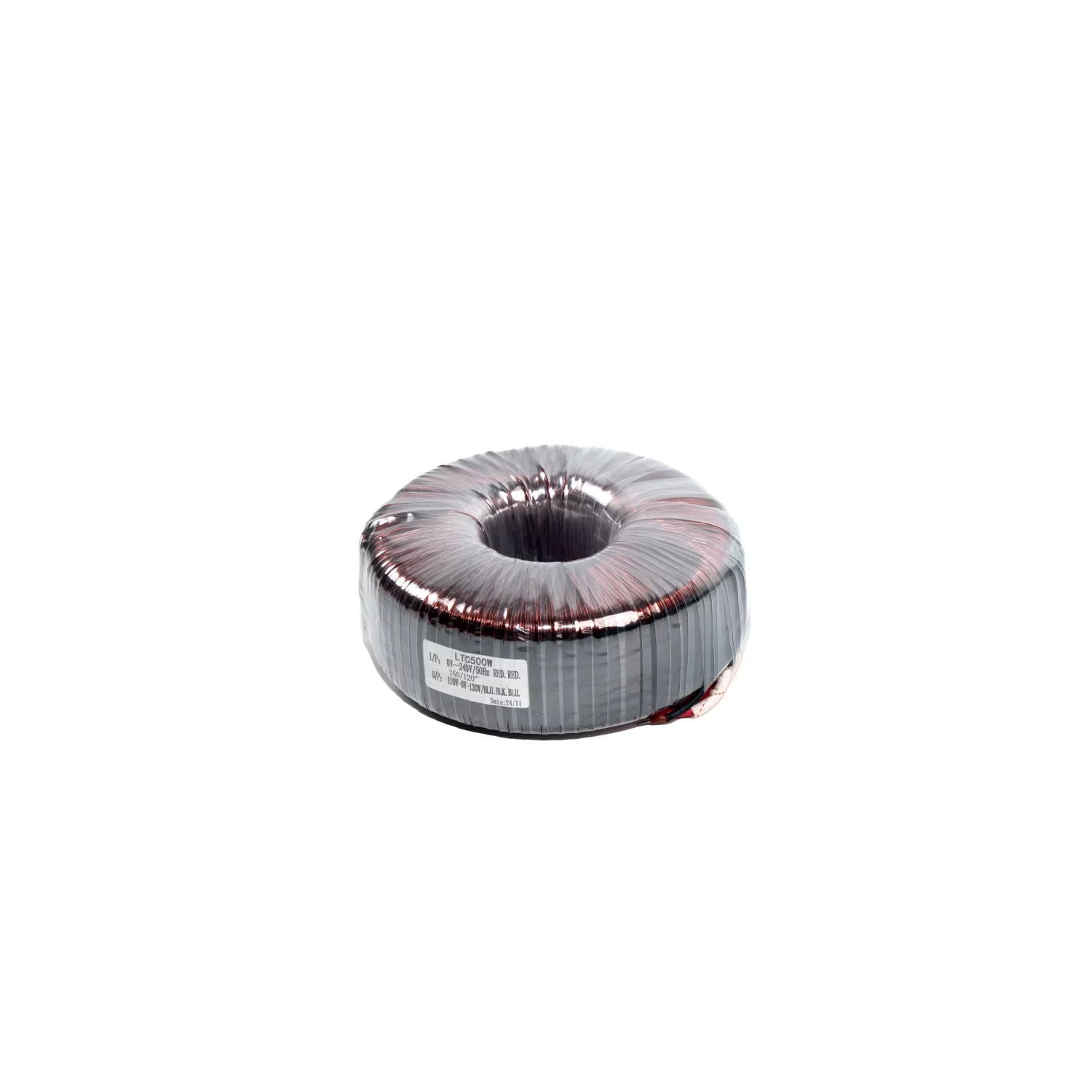
Evolution and Technical Trajectory of Power Inductors

From traditional ferrite cores to high-frequency integrated magnetic solutions.

Market Development History

In the early 2000s, the Australian electronics market relied primarily on oversized through-hole components. The focus was on reliability over size, with standard ferrite cores dominating the power supply landscape for industrial machinery.

Around 2010-2015, the shift toward SMD (Surface Mount Device) technology accelerated. Engineers began integrating a specific coupled inductor model to optimize DC-DC converters, reducing energy loss and improving the response time of power modules in telecommunications.

From 2018 to the present, the industry has entered the era of "Ultra-High Density." There is now a critical move toward composite materials and precision winding techniques to support GaN and SiC power stages, demanding tighter tolerances and lower DCR.

Future Development Trends

Miniaturization via Advanced Coupling

Expect a transition toward multi-phase integrated magnetics where a single coupled inductor buck system replaces multiple discrete components to save space.

Enhanced Thermal Management Materials

New core materials are being developed to withstand the Australian Outback's heat, ensuring that saturation currents remain stable even at 85°C+ ambient temperatures.

AI-Driven Magnetic Design

The use of simulation software to customize a coupled inductor model specifically for local load profiles, reducing the prototyping cycle for Australian OEMs.

Industry Trends and Future Outlook

Strategic directions for the electronic component manufacturing sector in Oceania.

Green Energy Integration
Increasing demand for high-efficiency inductors in solar inverters and battery storage systems across Australia.
EMI/EMC Compliance
Stricter regulatory standards in Oceania driving the use of high-performance shielding and filtering components.
Automotive Electrification
The surge in EV infrastructure in Australia requires robust power inductors for onboard chargers and DC fast chargers.
Edge Computing Growth
Local data center expansion requires low-noise, high-frequency inductors to support AI server power rails.

Industry Outlook

Based on Google search trends in the Oceania region, there is a marked increase in queries related to "high-efficiency power conversion" and "compact magnetic designs." This suggests that Australian engineers are moving away from generic components toward application-specific solutions.

Over the next 3-5 years, we predict that the integration of smart sensing within magnetic components will become a reality, allowing for real-time monitoring of inductor saturation and temperature in critical industrial environments.

Localized Application Scenarios in Australia

Practical implementations of our magnetic components across diverse Australian industries.

01. Solar Inverter Systems (Queensland)

Utilizing high-saturation power inductors to manage high-current DC-AC conversion in residential and commercial solar farms, ensuring stability under peak sunlight heat.

02. Mining Automation Controllers (Western Australia)

Implementing ruggedized drum inductor components in autonomous haulage systems to provide reliable power filtering in high-vibration environments.

03. 5G Small Cell Deployment (Sydney/Melbourne)

Using high-frequency bead inductor arrays for noise suppression in dense urban telecommunications nodes to prevent signal interference.

04. EV Charging Stations (National Network)

Integrating coupled inductor buck converters in fast-charging piles to optimize power density and reduce heat dissipation during rapid charging cycles.

05. Aerospace & Defense Electronics (Adelaide)

Applying a custom coupled inductor model for precision power supplies in avionics, where strict weight limits and high efficiency are non-negotiable.

Brand Story

Global Development Journey of Huizhou Xinchangda Electronic Co., Ltd.

Foundational Excellence

Established with a mission to solve the core challenges of power instability in electronic circuits through precision winding and material science.

Technological Breakthroughs

Developed proprietary coating and molding processes that significantly reduced EMI, setting a new standard for industrial-grade inductors.

Global Expansion

Expanded our footprint into Oceania, tailoring our product lines to meet the specific environmental and electrical standards of the Australian market.

Sustainability Pivot

Invested in eco-friendly core materials and energy-efficient manufacturing to support the global transition toward a low-carbon economy.

Industry Leadership

Now recognized as a premier partner for top-tier electronics manufacturers, delivering customized magnetic solutions worldwide.

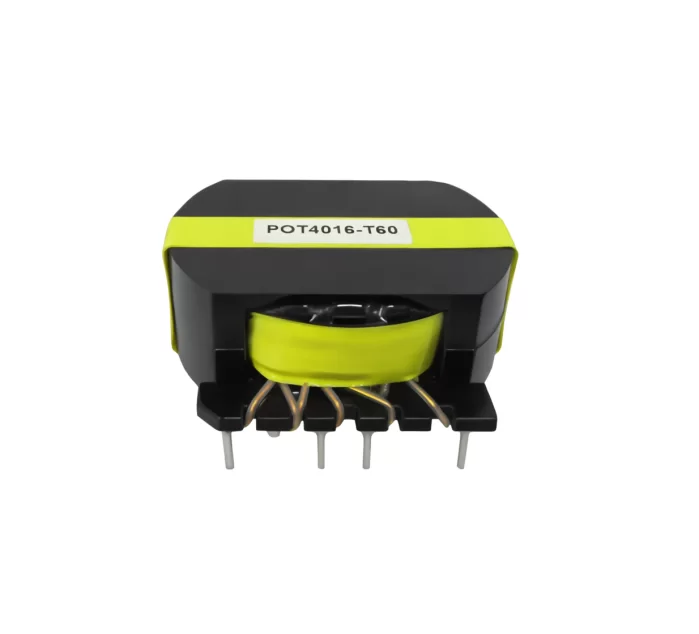
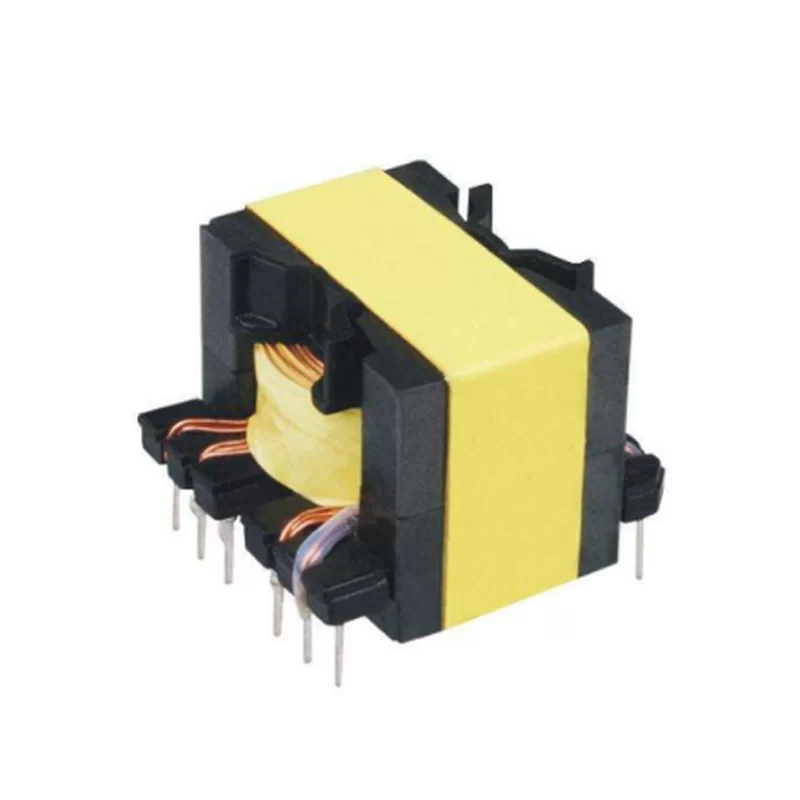
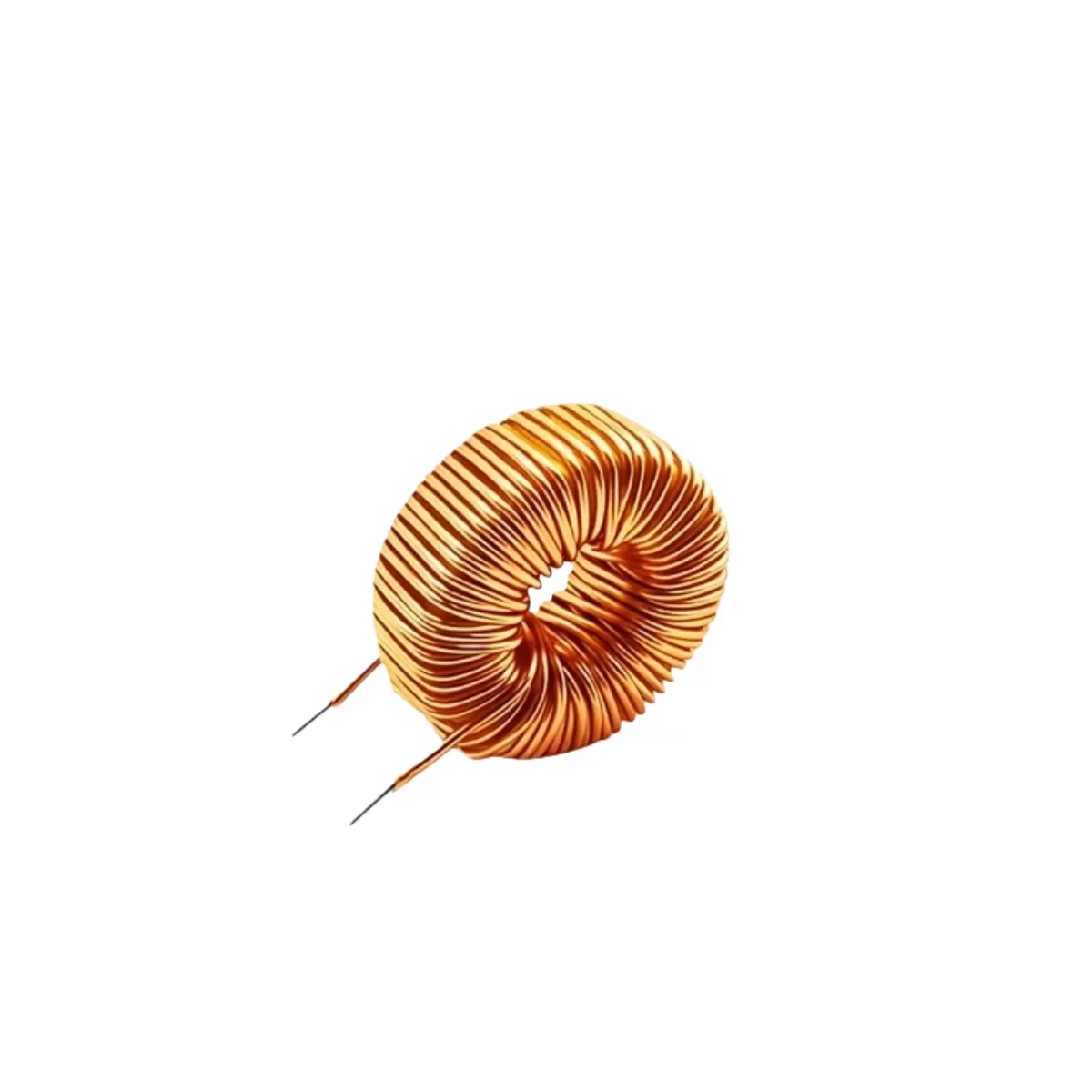
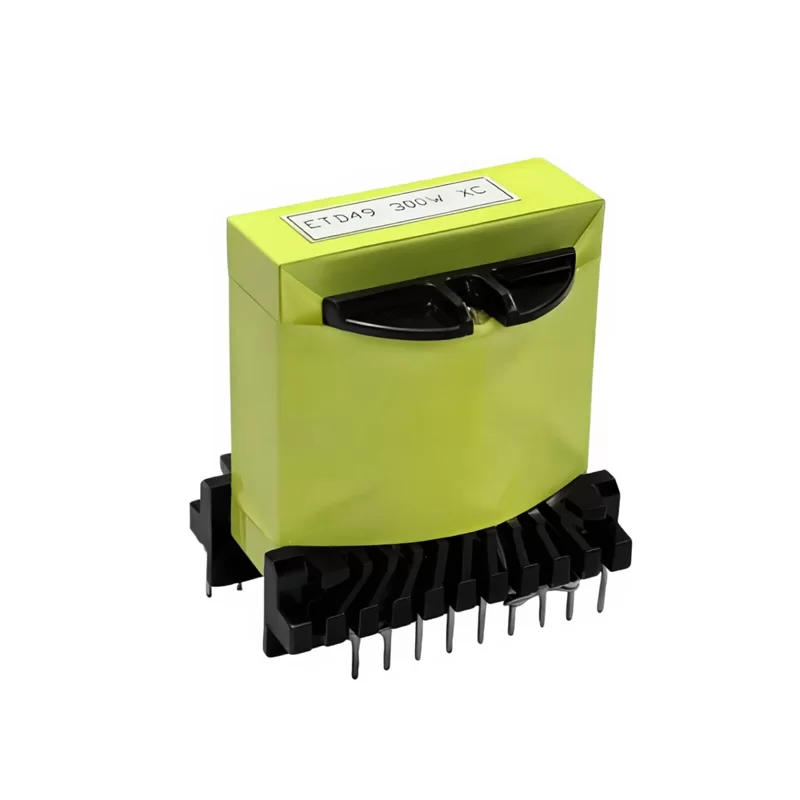
Comprehensive Magnetic Component Portfolio for Australia

A full range of inductors designed for high reliability and efficiency in the Oceania region.

Frequently Asked Questions for the Australian Market

Expert answers to common technical queries regarding inductor selection and application.

How do I choose the right coupled inductor model for high-temperature environments in Australia?

You should evaluate the Curie temperature of the core material and the thermal rating of the winding insulation. For Australian conditions, we recommend materials with a higher thermal stability threshold to prevent inductance drop at peak temperatures.

What are the benefits of using a bead inductor for EMI suppression in 5G equipment?

Bead inductors provide high impedance at high frequencies, effectively filtering out high-frequency noise and preventing EMI from interfering with sensitive 5G signal processing units.

Can a metal power inductor handle the high current surges found in industrial mining gear?

Yes, metal powder cores offer a "soft saturation" characteristic, meaning they can handle current spikes more gracefully than ferrite cores, making them ideal for the rugged demands of mining automation.

Why is the drum inductor preferred for automotive power modules in Oceania?

Drum inductors provide a superior balance between inductance value and physical robustness, offering high mechanical stability against vibration—a critical requirement for automotive applications on varied Australian terrains.

How does a coupled inductor buck converter improve overall energy efficiency?

By utilizing magnetic coupling between phases, these converters reduce ripple current and lower the required inductance per phase, resulting in smaller components and lower conduction losses.

What certifications do your magnetic components hold for the Australian market?

Our products are manufactured according to RoHS and REACH standards and are designed to assist our customers in achieving CE and Australian-specific safety certifications for their end-products.

Ready to Optimize Your Magnetic Design?

Our engineering team is ready to provide customized technical support and high-performance component sourcing for your projects across Australia.

Contact Us Now

If you are interested in our products, you can choose to leave your information here, and we will be in touch with you shortly.