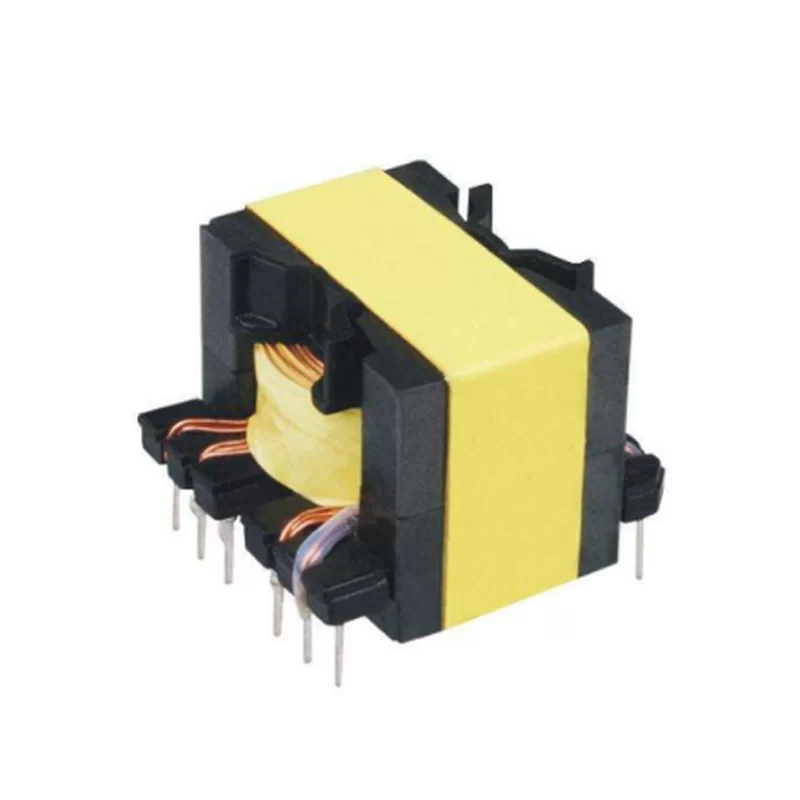

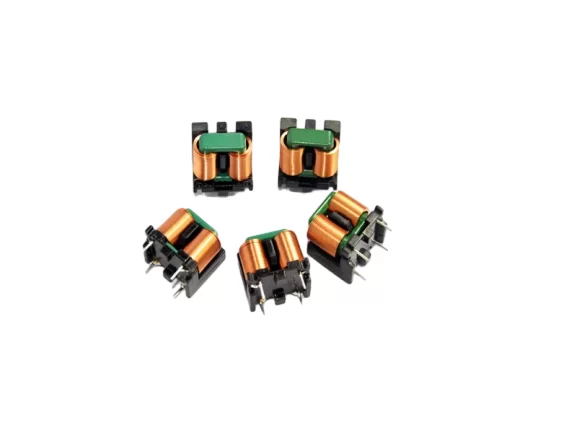
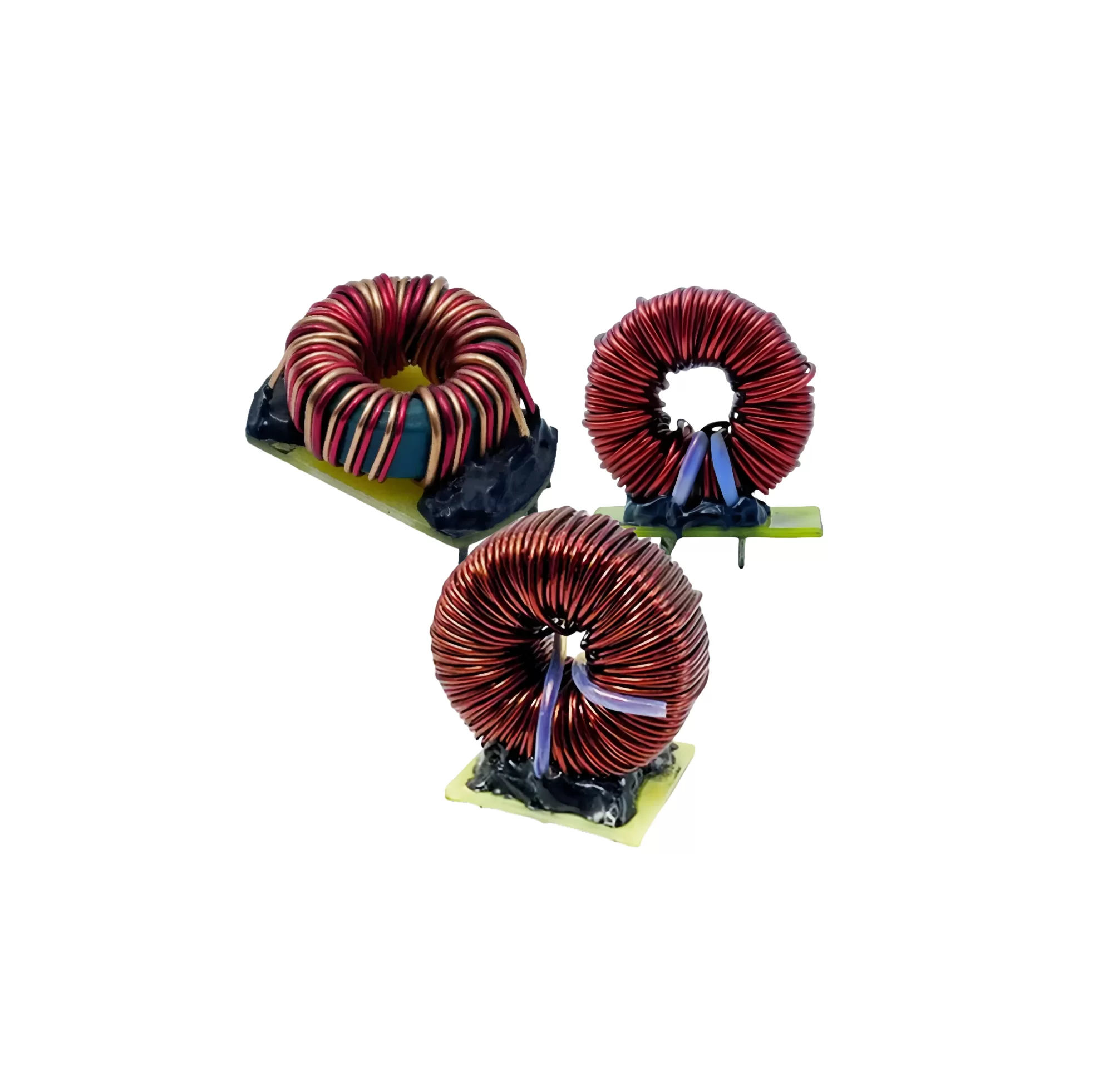
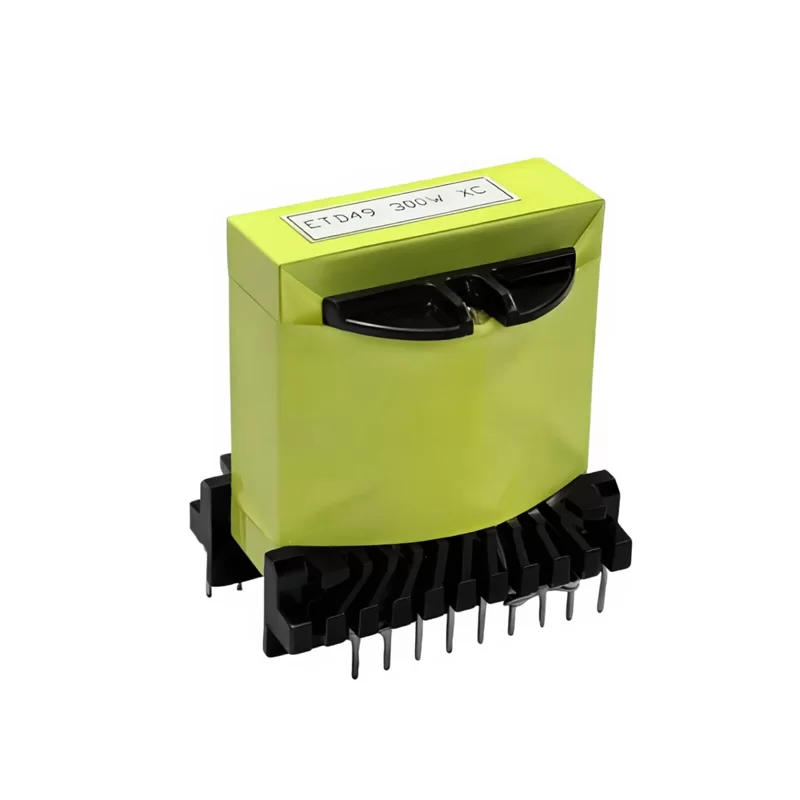
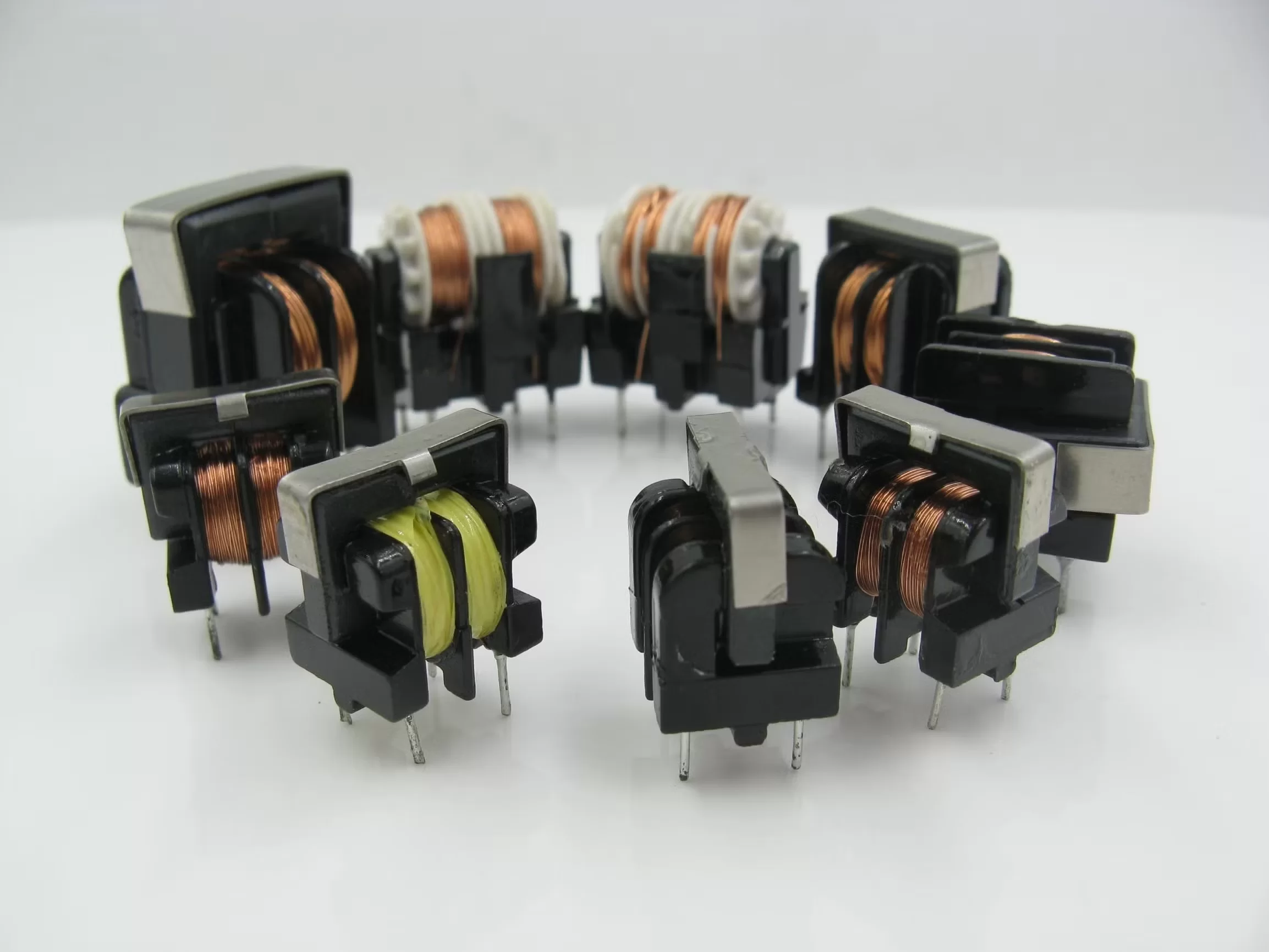
Brazil's electronics manufacturing sector, centered largely in the Manaus Free Trade Zone, faces unique challenges due to high humidity and temperature fluctuations. The demand for a reliable bead inductor has surged as local manufacturers strive to reduce electromagnetic interference (EMI) in consumer electronics and industrial controllers.
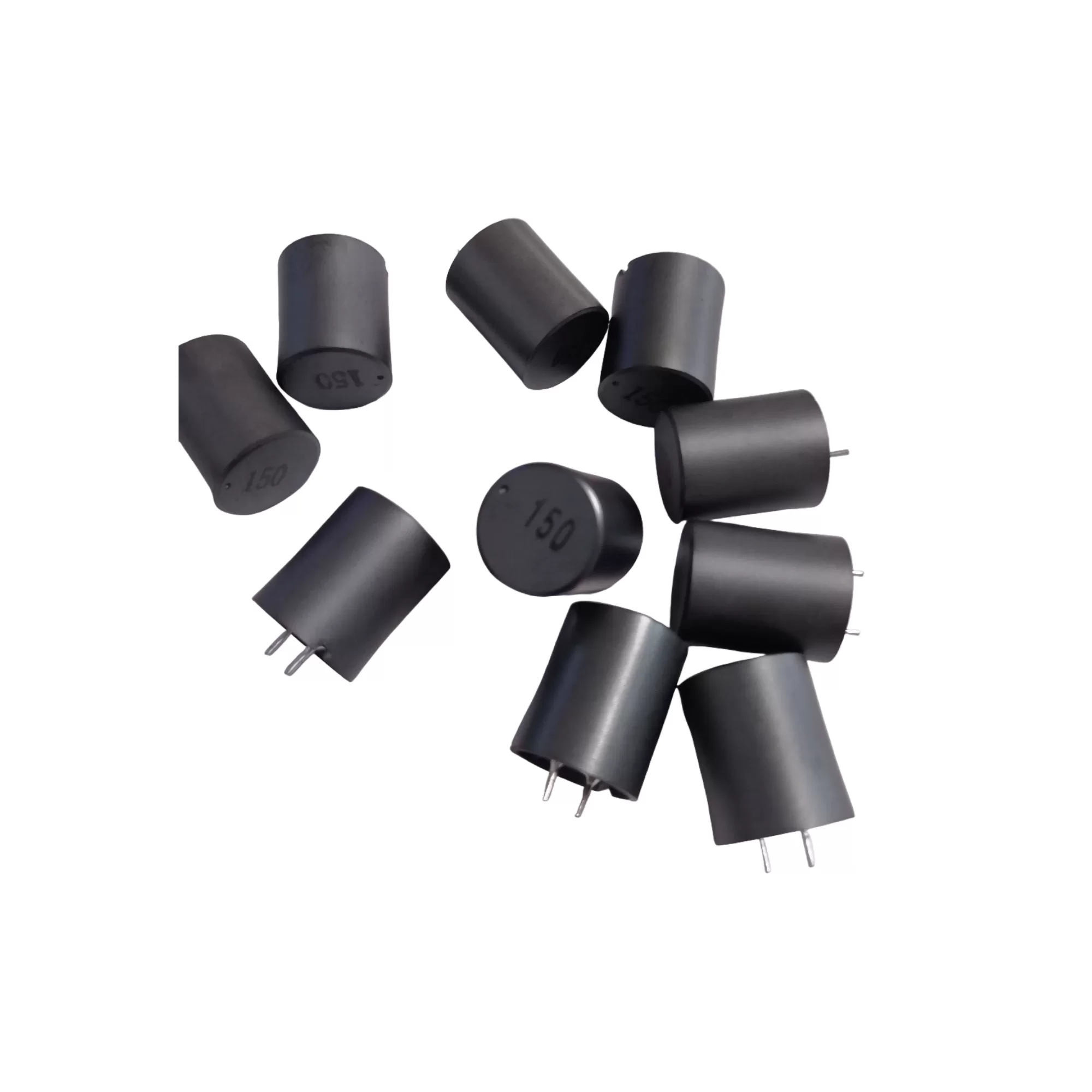
Economic volatility and import tariffs have pushed Brazilian firms to seek highly efficient, long-lifecycle components. This has led to an increased adoption of the drum inductor for its balance of cost-effectiveness and performance in standard power filtering applications across the automotive and telecommunications hubs of São Paulo.
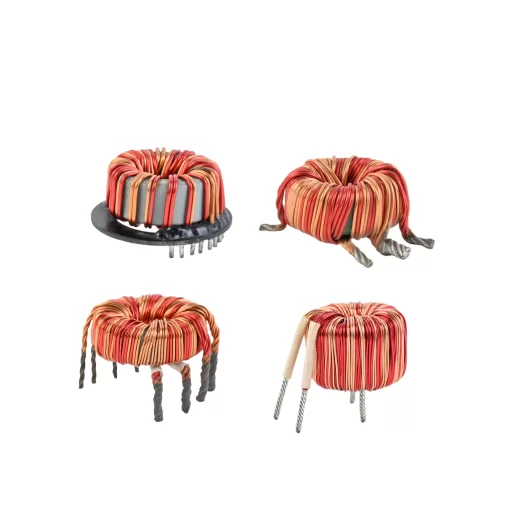
Furthermore, as Brazil integrates more smart-grid technology and renewable energy systems, there is a growing shift toward specialized components. The need for precise power regulation in these systems is driving the transition from generic inductors to high-precision coupled inductor model options that can handle varying load conditions efficiently.