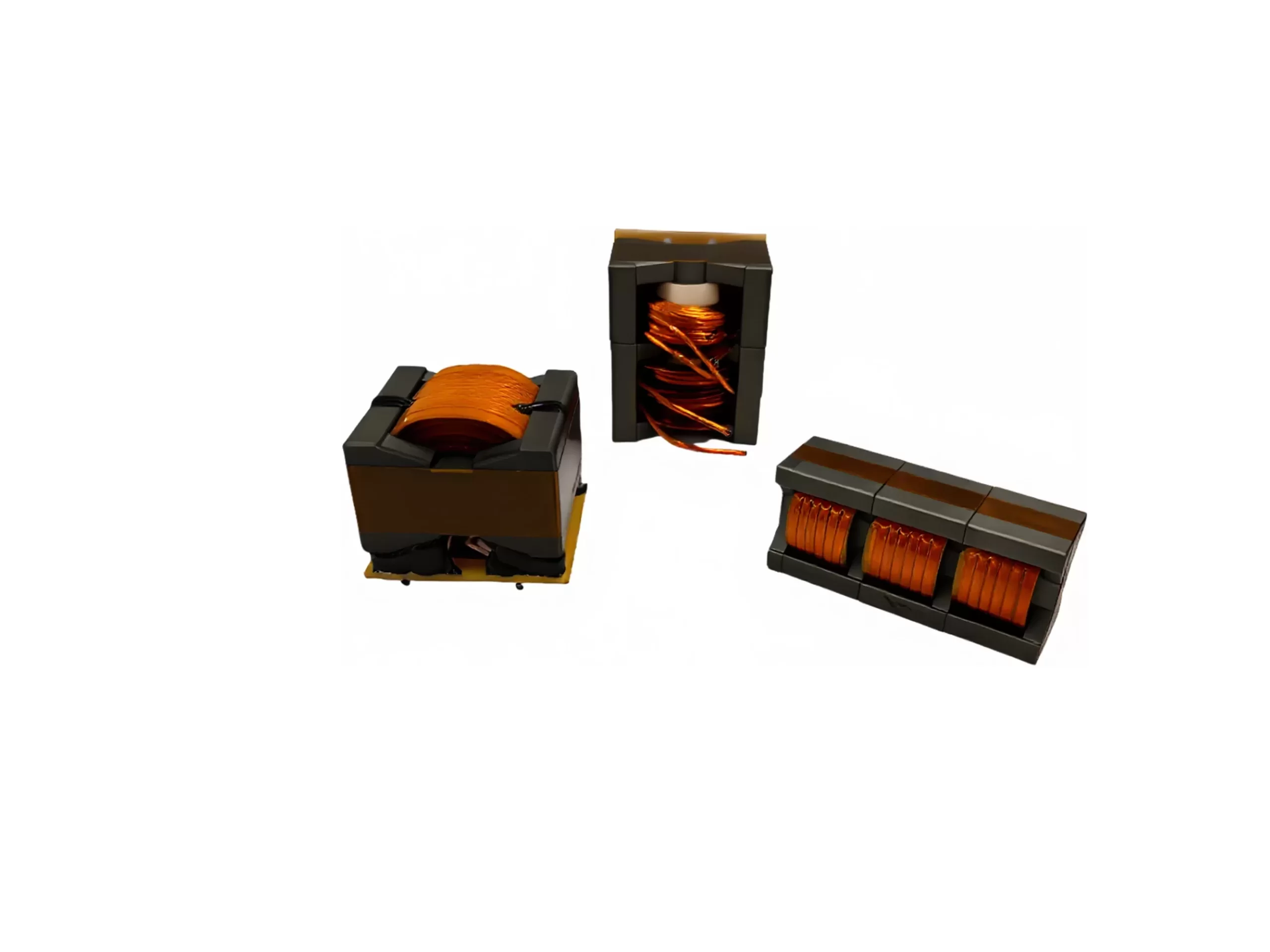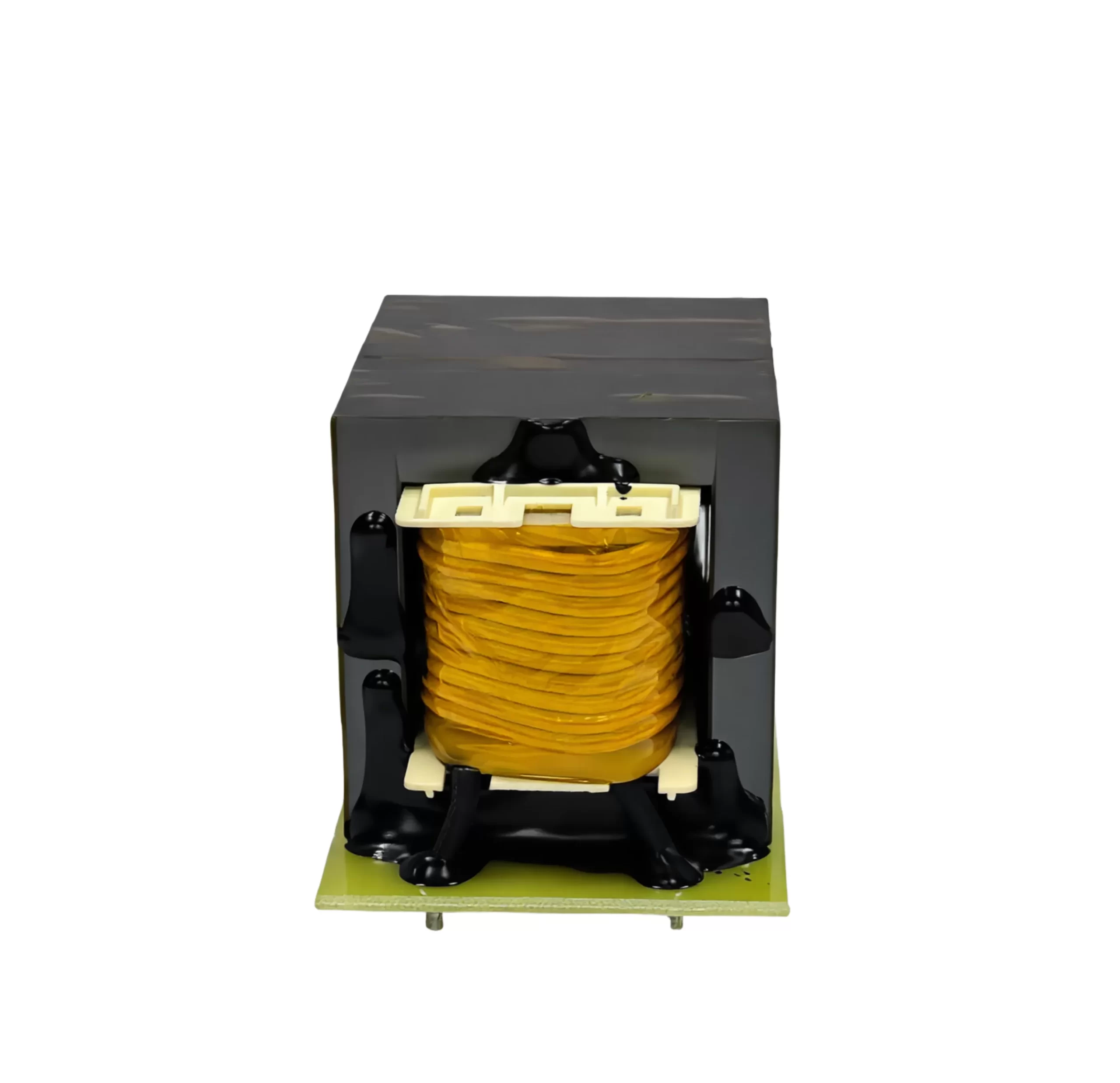
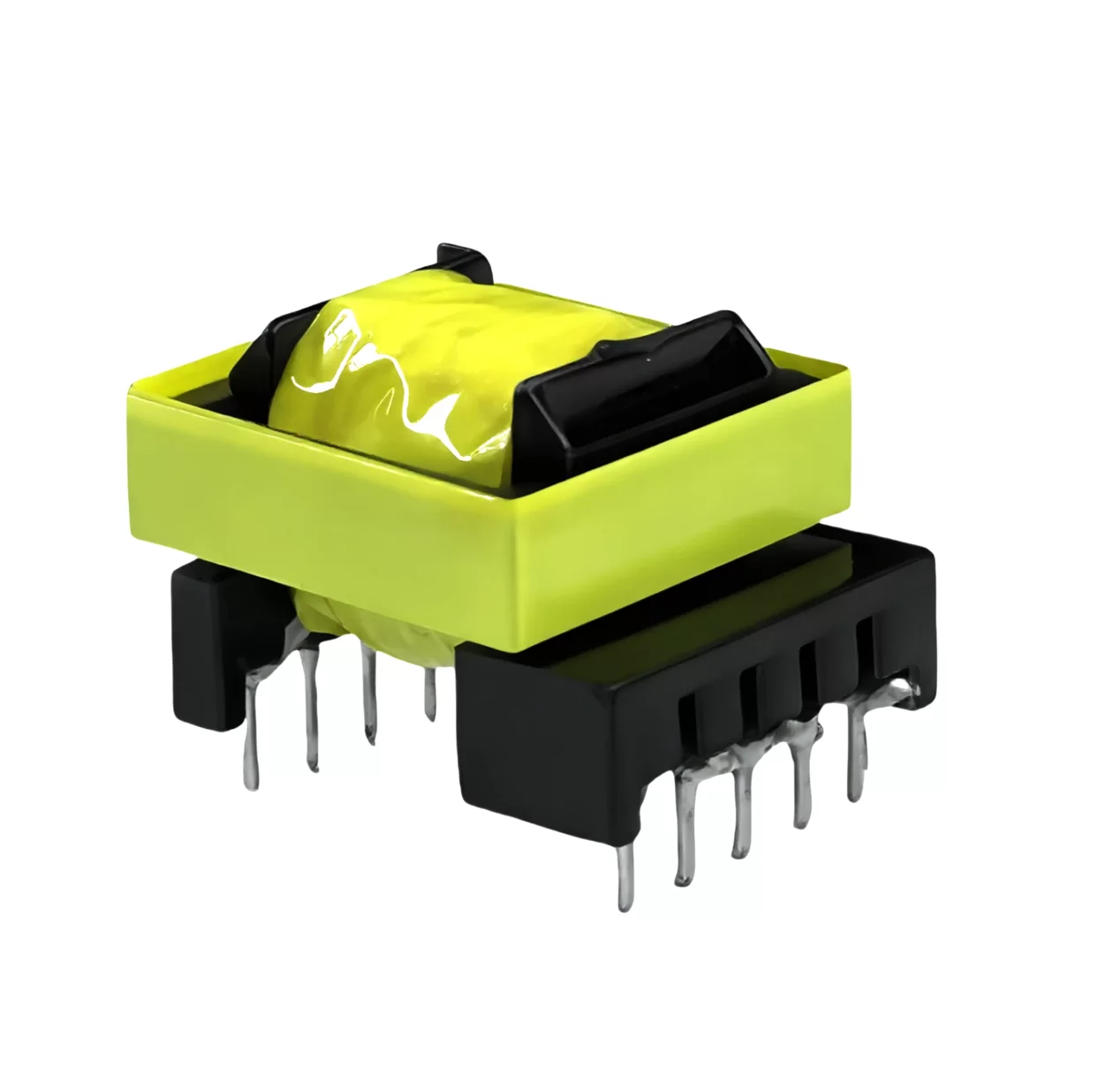
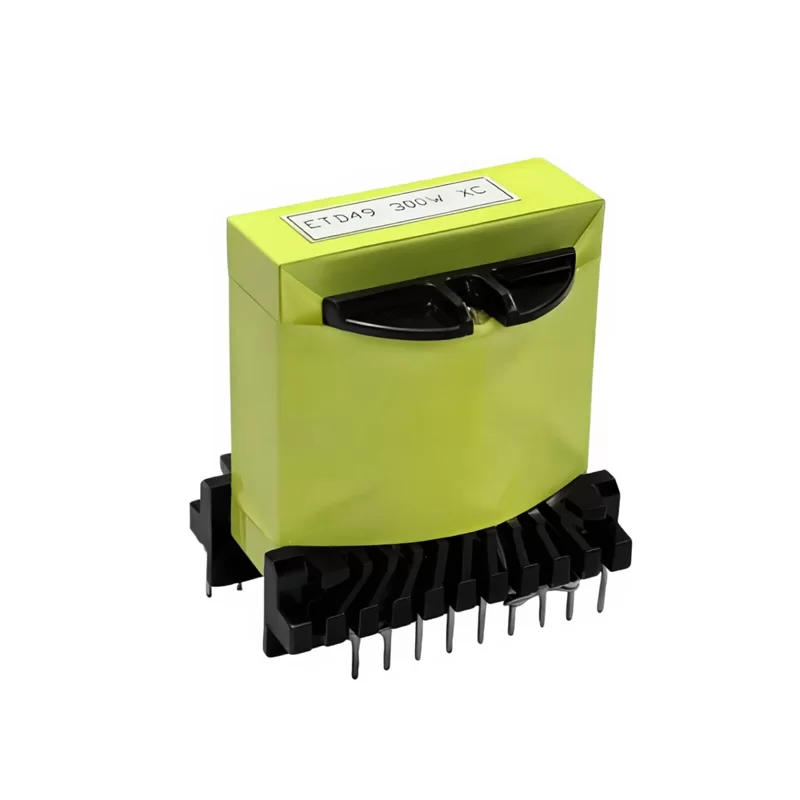
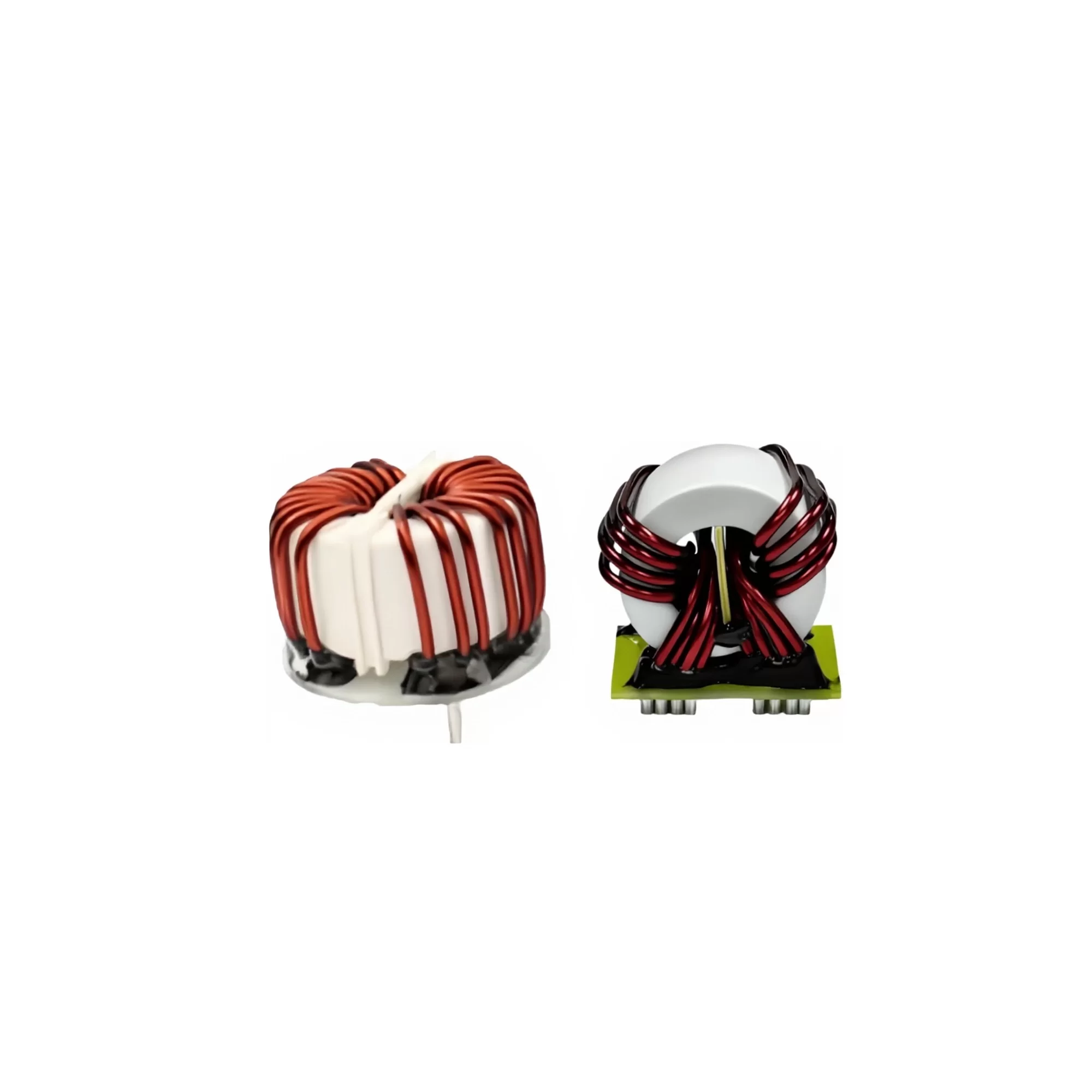
HighPerformance metal power inductor Solutions for US Industrial Electronics

High-Performance metal power inductor Solutions for US Industrial Electronics

Precision-engineered magnetic components designed to meet the rigorous power density and EMI requirements of the North American computing and communication infrastructure.

High-Performance metal power inductor Solutions for US Industrial Electronics

Providing the United States market with cutting-edge inductor technology, optimizing energy efficiency for high-frequency power conversion and noise suppression in mission-critical hardware.

The State of Electronic Component Manufacturing in the United States

Analyzing the demand for high-reliability magnetic components in the US tech corridor.

In the United States, the electronics manufacturing landscape is currently driven by a massive shift toward domestic semiconductor production and the expansion of hyperscale data centers. This has created an urgent demand for high-efficiency coupled inductor buck converters that can handle extreme power densities while maintaining thermal stability across diverse climatic zones, from the humid South to the arid West.

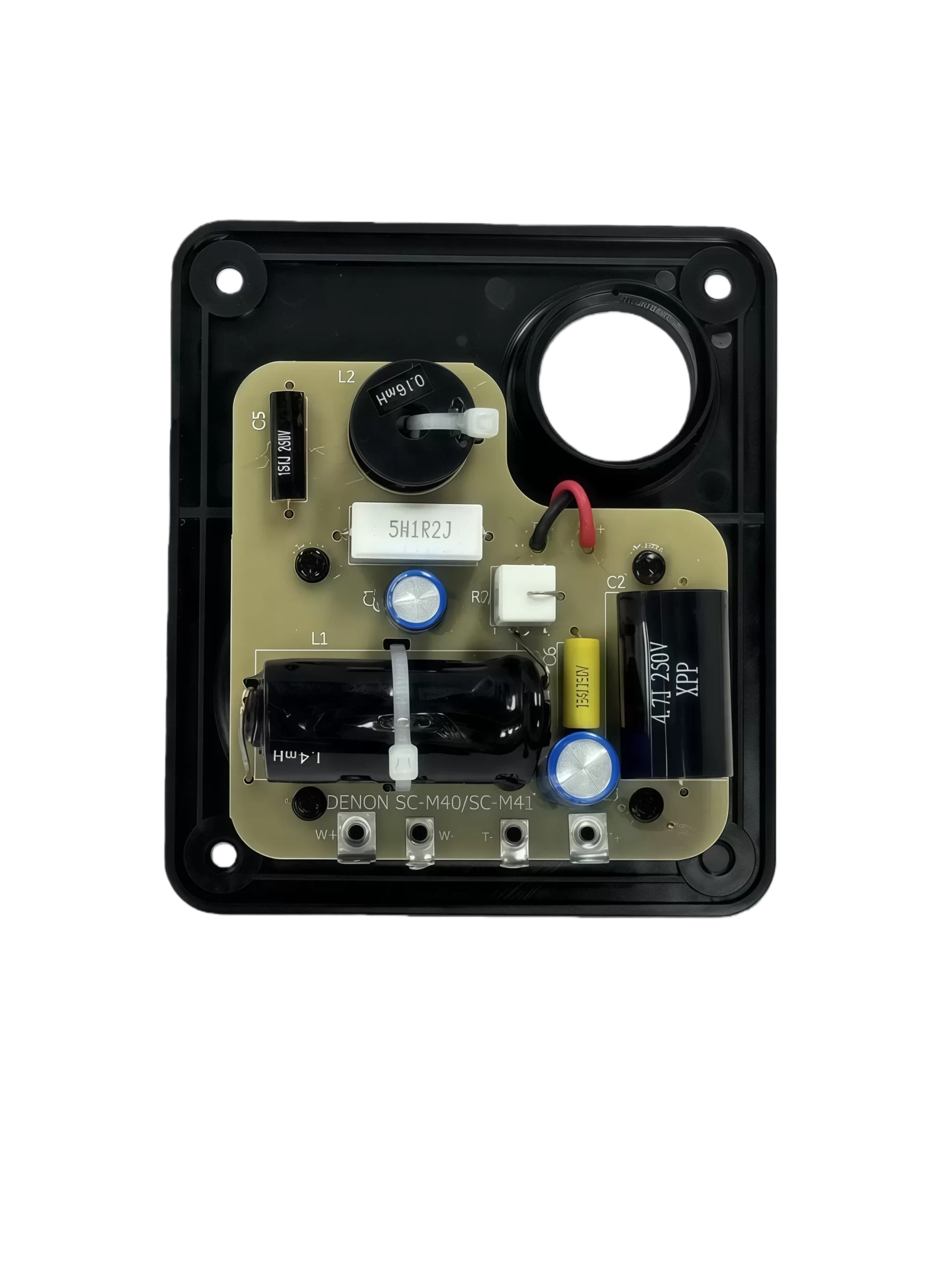
The US market is characterized by a strict adherence to AEC-Q200 and MIL-STD standards, especially in the aerospace and automotive hubs of Michigan and California. Engineers are increasingly replacing traditional components with a specialized coupled inductor model to minimize PCB footprint and reduce ripple current in advanced AI server power modules.

Furthermore, the rise of 5G infrastructure across North America has intensified the need for high-frequency noise filtering. The integration of the bead inductor has become essential for suppressing EMI in communication base stations, ensuring signal integrity in densely populated urban environments where electromagnetic interference is prevalent.
Evolution and Trajectory of Magnetic Component Technology

From basic ferrite cores to sophisticated multi-phase coupled systems.

Market Development History

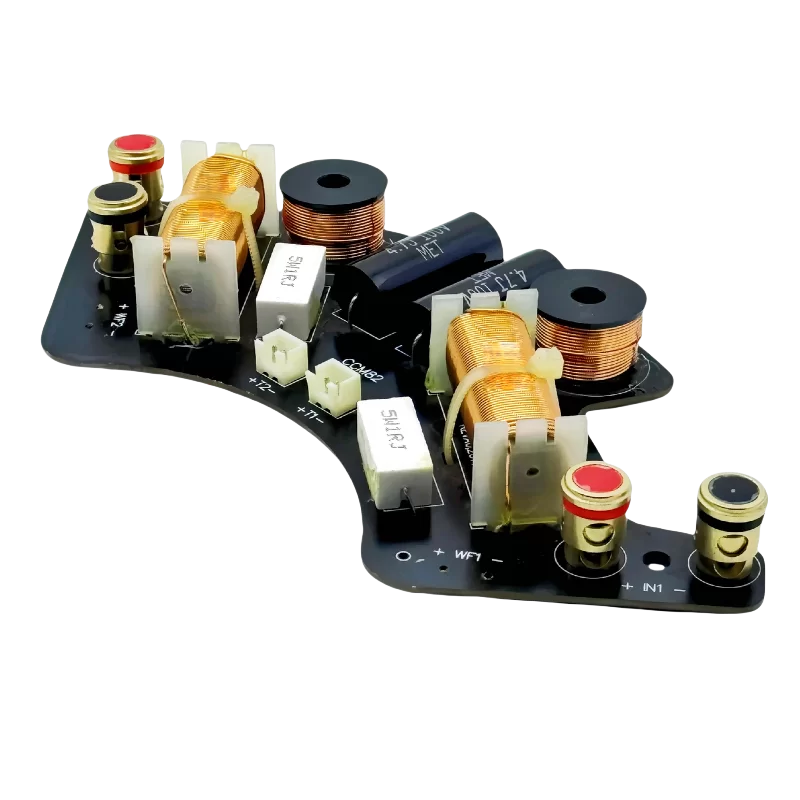
During the early 2000s, the US market relied heavily on standardized drum inductor designs, which provided stable performance but lacked the miniaturization required for the burgeoning mobile computing era. These components were the backbone of early desktop power supplies and industrial controllers.

By 2010-2015, the transition toward "Green Energy" and the "Mobile Revolution" forced a shift toward composite materials. The industry saw a surge in the adoption of shielded power inductors to prevent cross-talk in increasingly compact circuit boards, leading to more complex winding techniques to improve Q-factors.

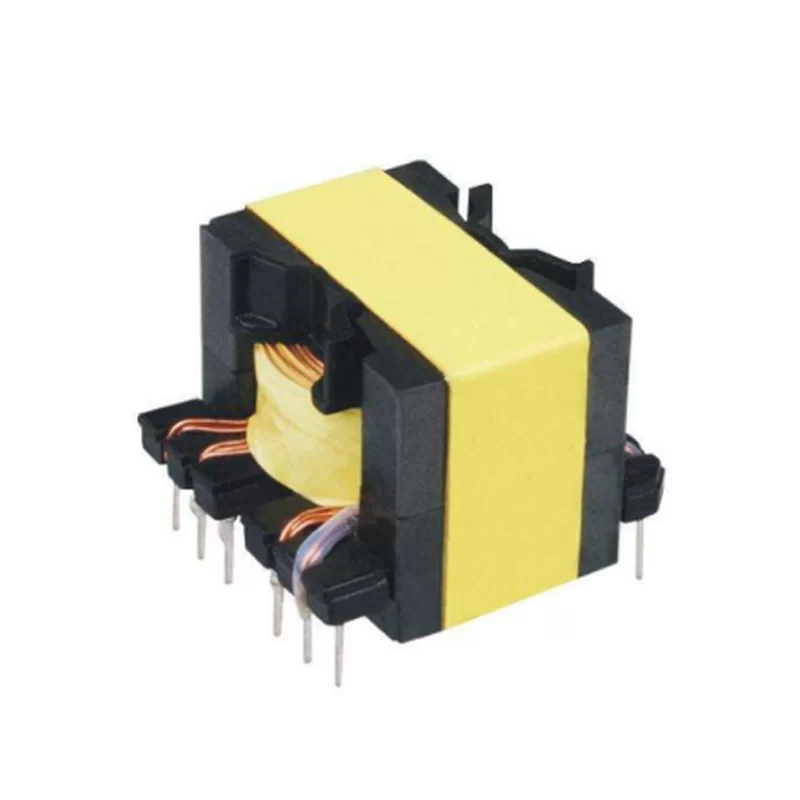
From 2018 to the present, the focus has shifted toward high-frequency switching. The emergence of GaN (Gallium Nitride) and SiC (Silicon Carbide) power electronics in the US has necessitated the development of coupled inductors that can operate at MHz frequencies without significant core loss.

Future Development Trends

Ultra-Miniaturization via 3D Integration

Future designs will move toward integrated magnetic-silicon packages, where inductors are embedded directly into the substrate to reduce parasitic inductance.

AI-Driven Magnetic Modeling

The use of machine learning to optimize the coupled inductor model will allow for real-time adjustment of inductance values based on load demands in cloud computing clusters.

Sustainability and Rare-Earth Reduction

Research is pivoting toward cobalt-free and sustainable ferrite materials to secure the US supply chain and reduce environmental impact without sacrificing permeability.

Industry Trends and Future Outlook

Strategic projections for the electronic component sector in North America.

Higher Power Density
Pushing the limits of V/A per cubic millimeter for US-based server farms.
EMI Mitigation
Advanced filtering to meet strict FCC requirements for consumer electronics.
Thermal Optimization
Developing cores with lower hysteresis loss for high-temperature environments.
Supply Chain Resilience
Diversifying raw material sources to ensure stability in the US market.

Industry Outlook

Google Search trends indicate a sharp increase in queries related to "high-frequency power inductors" and "energy-efficient DC-DC converters" within the North American region. This correlates with the aggressive rollout of AI-driven hardware and the transition toward electric vehicle (EV) charging infrastructure, both of which require superior magnetic components.

Over the next 3-5 years, we expect the US market to move away from generic components toward highly customized, application-specific magnetic solutions. The integration of smarter materials will allow components to maintain efficiency even under the extreme load fluctuations typical of modern cloud computing workloads.

Localized Application Scenarios in the United States

Real-world deployments of advanced inductor technology across key US industries.

01. Hyperscale Data Centers (Virginia/Texas)

Utilizing coupled inductor buck systems to provide stable, low-ripple power to high-TDP GPUs and CPUs, reducing cooling costs in massive server farms.

02. Aerospace & Defense (California/Florida)

Implementing high-reliability metal power inductor units that withstand extreme vibration and temperature swings for satellite communication systems.

03. EV Charging Infrastructure (Midwest Hubs)

Deploying high-current drum inductor components in DC fast-chargers to ensure efficient power conversion from the grid to the vehicle battery.

04. 5G Telecommunication Base Stations (Urban Centers)

Integrating the bead inductor for precision noise filtering, ensuring that high-frequency signals remain clear of interference in densely populated cities.

05. Industrial Robotics (Ohio/Michigan)

Applying a customized coupled inductor model in servo-drive controllers to improve torque response and reduce energy consumption in automated assembly lines.

Brand Story

Global Development Journey of Huizhou Xinchangda Electronics Co., Ltd.

Founding Vision

Established with the mission to solve the instability of power conversion in early electronic devices through precision magnetic engineering.

Technical Breakthrough

Developed proprietary winding technologies that significantly reduced DC resistance, setting a new standard for power inductor efficiency.

Global Expansion

Expanded footprints into the North American market, partnering with leading US tech firms to co-develop specialized inductor models.

Quality Certification

Achieved international quality benchmarks, ensuring every component meets the rigorous safety and performance standards of the US industry.

Future Commitment

Dedicated to pioneering eco-friendly magnetic materials and AI-optimized designs for the next generation of global electronics.

Complete Magnetic Solution Portfolio for the US Market

A comprehensive range of inductors engineered for reliability, efficiency, and scalability.

Common Technical Questions in North America

Expert answers to the most frequent queries regarding magnetic component selection.

How do I choose the right coupled inductor model for a multi-phase buck converter?

Selection depends on your target ripple current and transient response requirements. A coupled model helps in reducing the output ripple and improving the load transient response compared to independent inductors.

What are the advantages of a metal power inductor over ferrite cores?

Metal power inductors generally offer higher saturation currents and better thermal stability, making them ideal for the high-current demands of US-based AI servers and industrial automation.

When should I use a bead inductor instead of a standard capacitor for noise filtering?

Bead inductors are superior for suppressing high-frequency EMI and RF noise. They act as a resistive load at high frequencies, dissipating noise as heat rather than reflecting it back into the circuit.

Is a drum inductor suitable for high-temperature industrial environments?

Yes, provided the insulation grade and core material are rated for the specific temperature. Our drum inductors are engineered to maintain inductance stability across a wide temperature range.

What is the efficiency gain when using a coupled inductor buck configuration?

Coupled buck converters can reduce the required inductance for each phase while maintaining low ripple, which allows for smaller components and typically 1-3% higher overall power efficiency.

Do your components comply with RoHS and REACH standards for US imports?

Absolutely. All our magnetic components are manufactured in strict compliance with RoHS and REACH, ensuring seamless integration into the US supply chain and regulatory approval.

Consult Our Magnetic Experts

Ready to optimize your power circuitry? Our engineering team is available to provide customized solutions for clients across North America - United States.

Contact Us Now

If you are interested in our products, you can choose to leave your information here, and we will be in touch with you shortly.