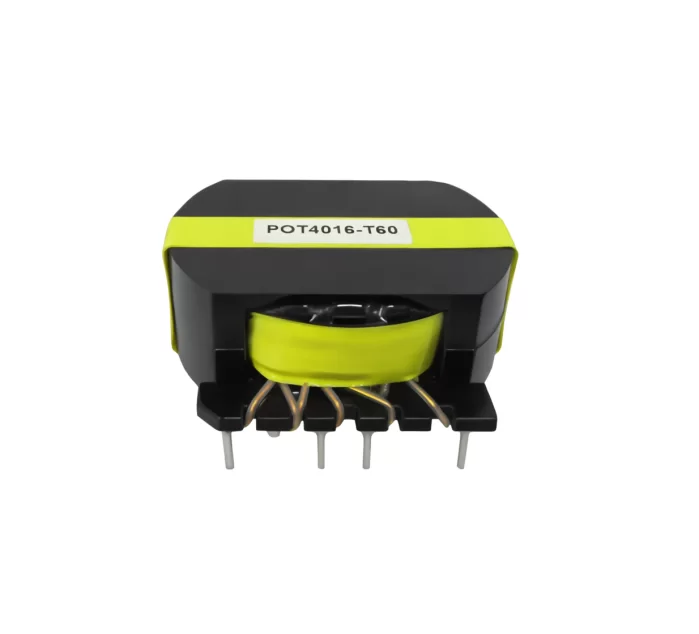
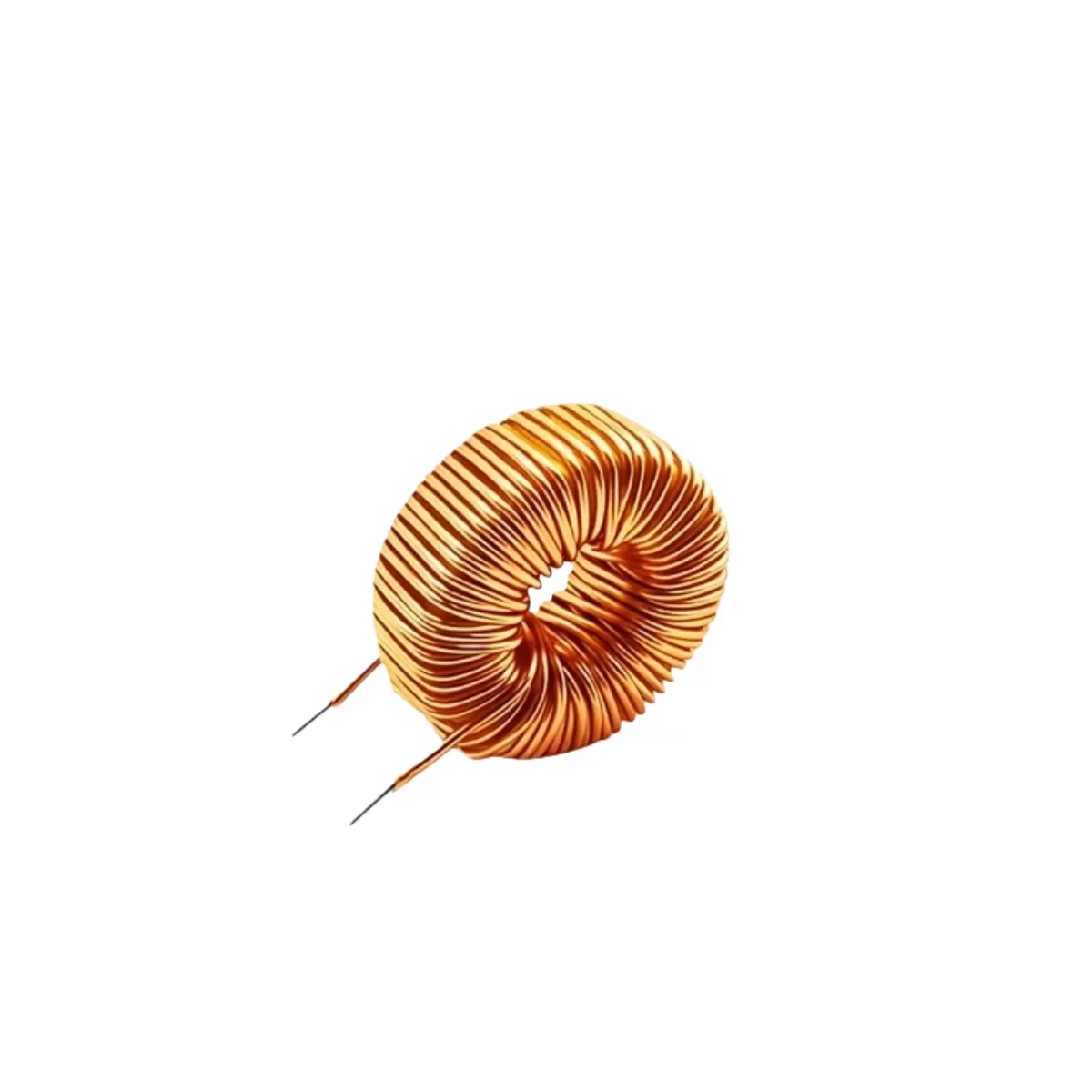
HighPerformance Metal Power Inductor Solutions for Poland’s Industrial Electronics

High-Performance Metal Power Inductor Solutions for Poland's Industrial Electronics

Precision-engineered magnetic components designed to optimize energy efficiency and signal integrity for Poland's evolving electronics manufacturing sector.

High-Performance Metal Power Inductor Solutions for Poland's Industrial Electronics

Providing the Polish market with cutting-edge inductive components that meet stringent EU industrial standards and energy efficiency requirements.

The Current Landscape of Electronic Components in Poland

Analyzing the demand for advanced magnetic solutions in Central Europe's industrial hub.

Poland has emerged as a strategic hub for European electronics manufacturing, driven by a robust automotive supply chain and a growing aerospace sector. The demand for high-reliability bead inductor components has spiked as local factories transition toward automated Industry 4.0 systems that require superior EMI suppression.

Due to Poland's temperate climate and industrial density in regions like Silesia, components must withstand varying thermal stresses. This has led to an increased adoption of the drum inductor for its stability and efficiency in power conversion modules used in heavy machinery.

The Polish market is currently shifting from generic components to specialized designs. Engineers are increasingly specifying a precise coupled inductor model to reduce PCB footprint and improve the transient response of local power supply designs.
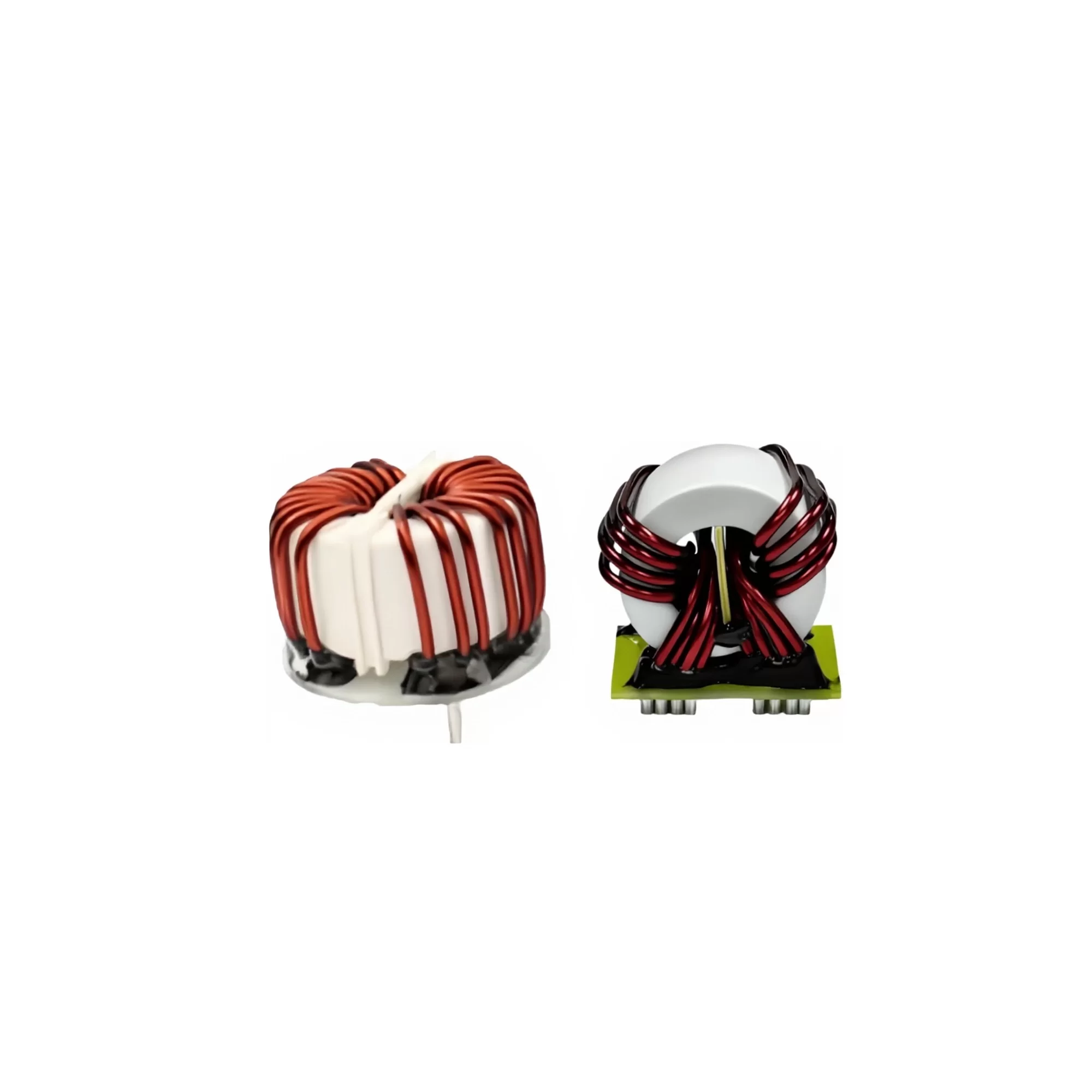
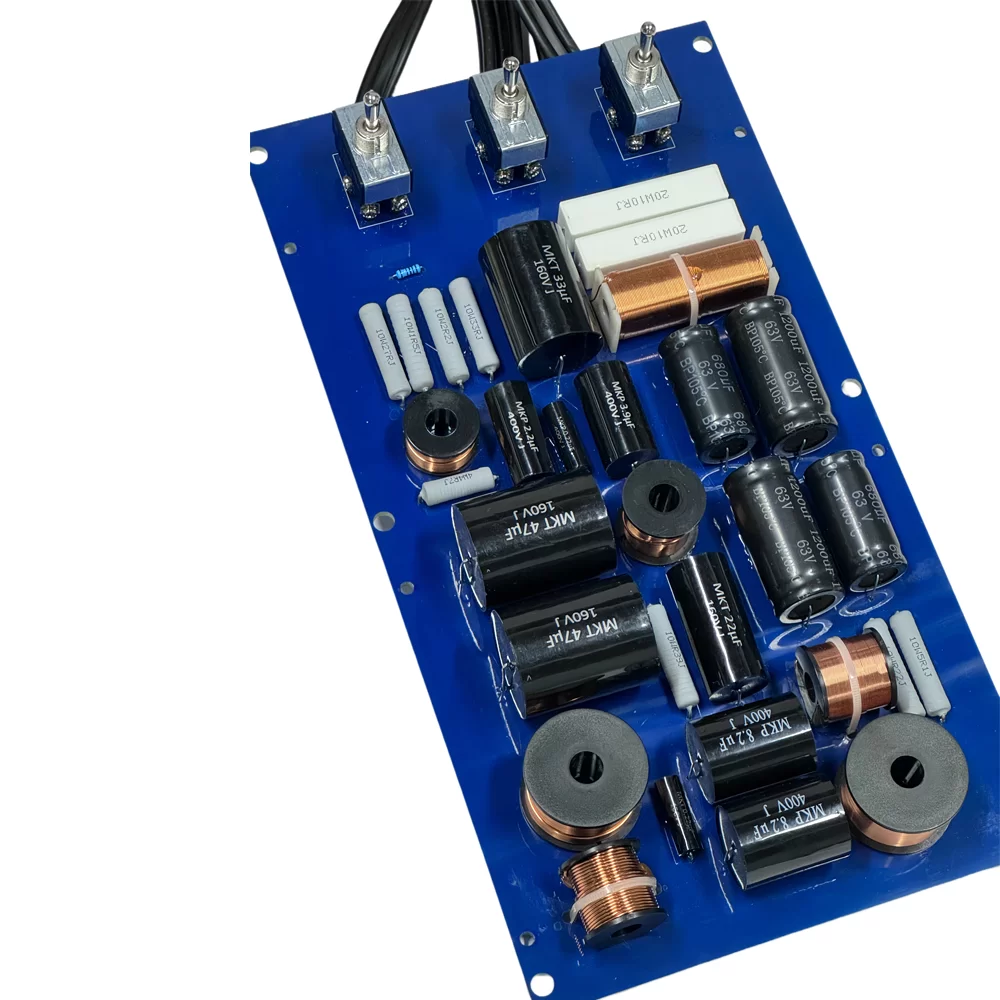
Evolution and Trajectory of Magnetic Component Technology

From traditional ferrite cores to high-density integrated magnetic solutions.

Market Development History

In the early 2000s, the Polish electronics sector relied heavily on basic air-core and standard ferrite inductors. The focus was primarily on durability and cost-efficiency for simple consumer electronics.

Between 2010 and 2020, the rise of EV infrastructure and renewable energy in Poland pushed the technology toward high-saturation materials. This era saw the widespread integration of the coupled inductor buck topology to achieve higher efficiency in DC-DC converters.

Today, the focus has shifted toward miniaturization and "Green Electronics." The integration of composite materials has allowed for smaller footprints without compromising the current-carrying capacity required by modern industrial servers.

Future Development Trends

Ultra-High Frequency Operation

Moving toward GaN and SiC semiconductors will require inductors that can operate at MHz frequencies with minimal core loss.

Sustainable Material Sourcing

EU regulations are driving a shift toward cobalt-free and recyclable magnetic alloys to reduce the carbon footprint of the manufacturing process.

AI-Driven Design Optimization

The use of digital twins and AI to simulate magnetic flux will allow for the creation of custom-wound inductors tailored to specific Polish industrial applications.

Industry Trends and Future Outlook

Strategic forecasts for the electronics component industry in the EU region.

Energy Efficiency Optimization
Driven by EU Eco-design directives, the focus is on reducing idling power losses in power supplies.
Miniaturization Trends
High-density power modules are replacing bulky components to fit smaller industrial chassis.
Automotive Electrification
The surge in EV production in Poland increases the need for AEC-Q200 qualified inductors.
Smart Grid Integration
Deployment of smart meters in Poland requires low-noise magnetic components for precision sensing.

Industry Outlook

According to Google search trends in Europe, there is a growing interest in "high-efficiency power conversion" and "EMI mitigation," indicating that Polish engineers are prioritizing power density. The next 3-5 years will likely see a move toward integrated magnetics where multiple functions are combined into a single core.

The Polish market will continue to act as a bridge between Western European design standards and Eastern European production agility, necessitating components that offer both high performance and scalable costs.

Localized Application Scenarios in Poland

How our magnetic solutions are solving real-world challenges in Polish industries.

01. Automotive ECU Power Modules

Utilizing high-saturation metal power inductors to stabilize voltage in Engine Control Units for major automotive plants in Lower Silesia.

02. Industrial PLC Noise Filtering

Implementing bead inductors in Programmable Logic Controllers used in the Katowice industrial zone to eliminate high-frequency noise.

03. Renewable Energy Inverters

Applying coupled inductor buck topologies in solar inverters to maximize energy harvest and conversion efficiency for Polish wind farms.

04. Telecommunications Infrastructure

Integrating drum inductors in 5G base station power supplies to ensure stable current delivery in harsh outdoor environments.

05. Medical Imaging Equipment

Designing custom coupled inductor models for high-precision medical devices in Warsaw's biotech clusters to ensure zero-ripple power.

Brand Story

Global Development Journey of Huizhou Xinchangda Electronics Co., Ltd.

Foundation and Focus

Established with a mission to solve the instability of power conversion in early consumer electronics through precision winding techniques.

Technological Breakthrough

Developed proprietary core materials that significantly reduced heat generation, enabling the first generation of ultra-compact power inductors.

Global Market Expansion

Expanded operations to the EU market, aligning production with RoHS and REACH standards to serve demanding industrial clients.

Innovation Leadership

Invested in AI-driven quality control systems to ensure zero-defect delivery for critical aerospace and medical applications.

Sustainable Future

Committed to carbon neutrality by 2030, pioneering the use of eco-friendly resins and recycled copper in all magnetic components.

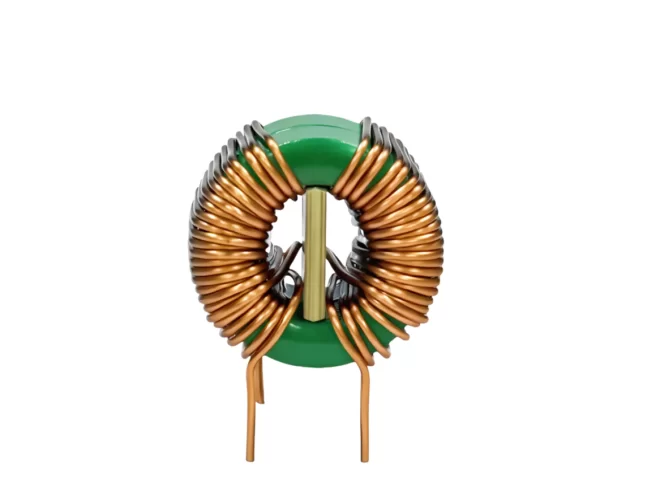
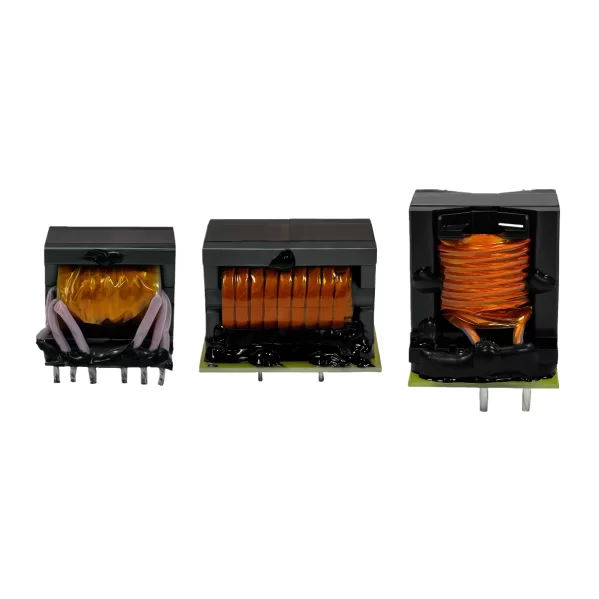
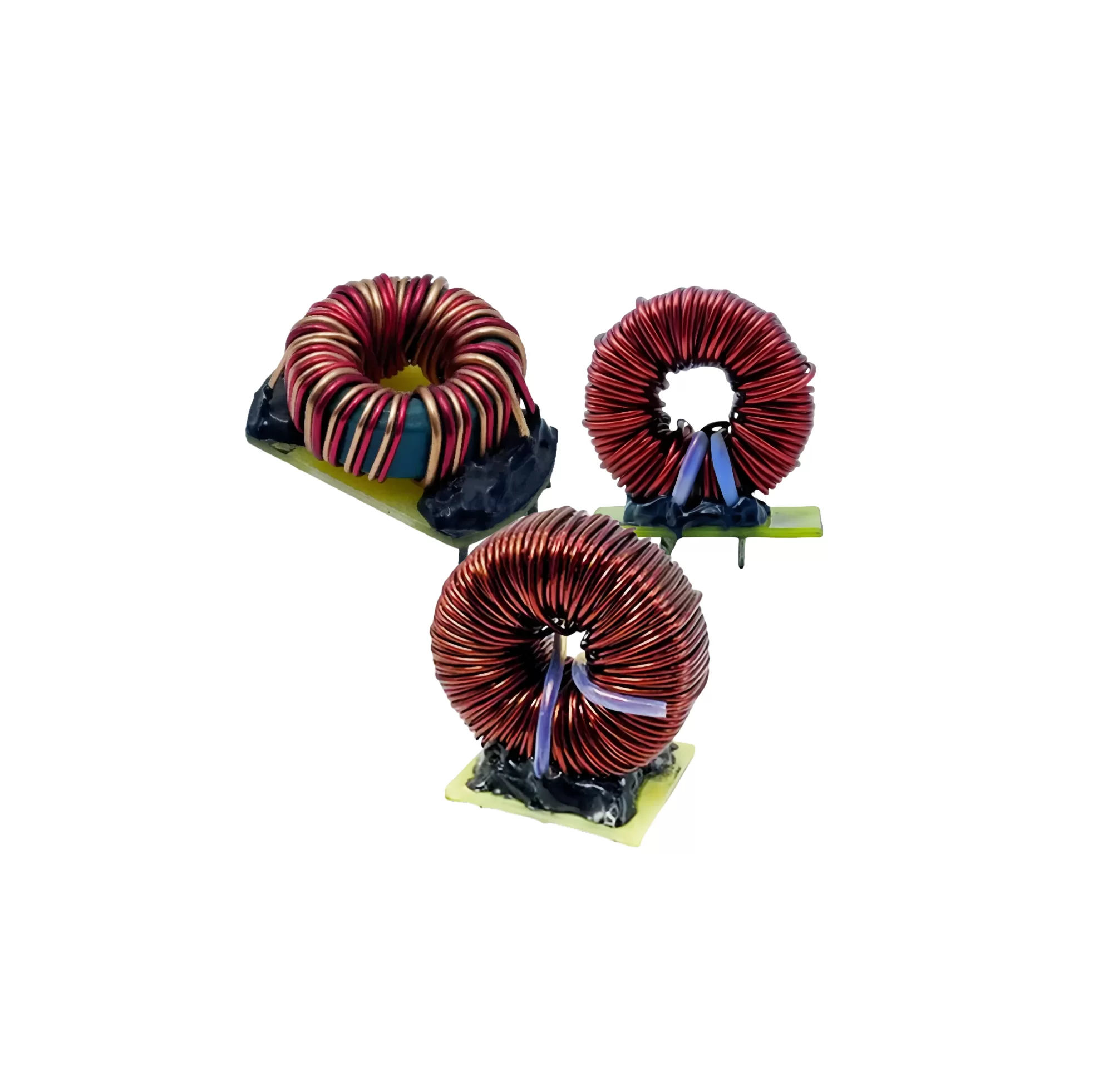
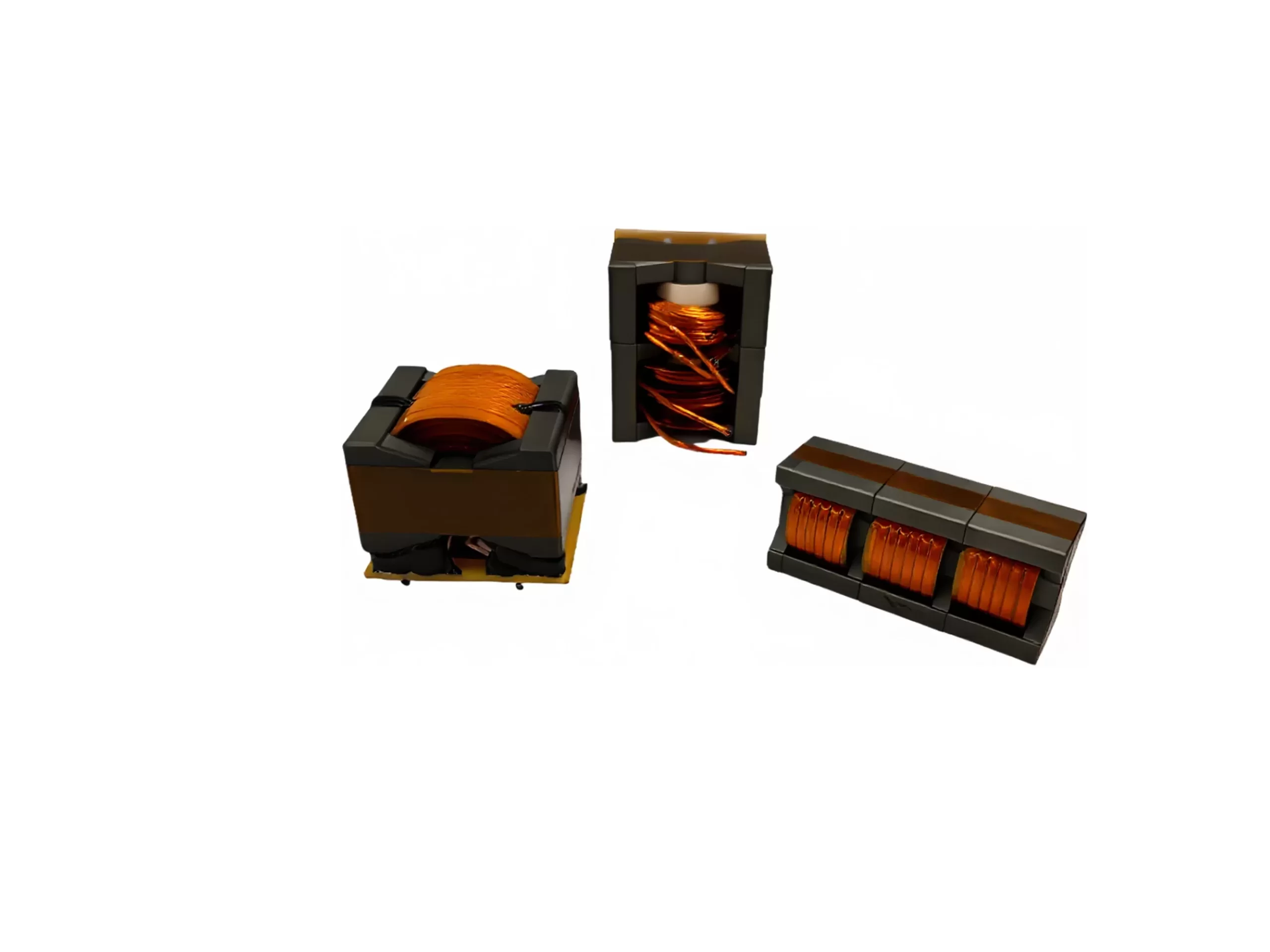
Complete Magnetic Product Portfolio for the Polish Market

A comprehensive range of inductors designed for high-efficiency industrial applications in Poland.

Common Questions from Polish Industrial Partners

Technical insights and procurement guidance for electronic components.

How do I select the right coupled inductor model for high-frequency buck converters?

Selection should be based on the switching frequency, maximum ripple current, and the required coupling coefficient. For buck converters, focus on minimizing DC resistance (DCR) to reduce power loss.

What are the benefits of using a bead inductor for EMI suppression in industrial PLCs?

Bead inductors provide high impedance at high frequencies, effectively blocking noise without significantly affecting the DC signal, which is critical for sensitive sensor inputs in PLCs.

Can a metal power inductor handle the thermal fluctuations of Polish winters?

Yes, our metal power inductors are designed with wide-temperature rated cores and high-grade insulation that maintain stable inductance from -40°C to +125°C.

What is the primary advantage of a drum inductor over a toroidal design?

Drum inductors typically offer easier automated winding and assembly, making them more cost-effective for high-volume production while maintaining excellent saturation characteristics.

How does a coupled inductor buck improve efficiency in DC-DC converters?

By utilizing mutual inductance, a coupled inductor buck can reduce the peak current in the inductor, lowering conduction losses and allowing for a faster transient response.

Are these components compliant with EU RoHS and REACH regulations?

Absolutely. All our products are manufactured to strictly follow EU environmental directives, ensuring they are lead-free and safe for use across all Polish and European markets.

Ready to Optimize Your Power Design?

Our engineering team is ready to provide custom magnetic solutions for your projects in Poland.

Contact Us Now

If you are interested in our products, you can choose to leave your information here, and we will be in touch with you shortly.