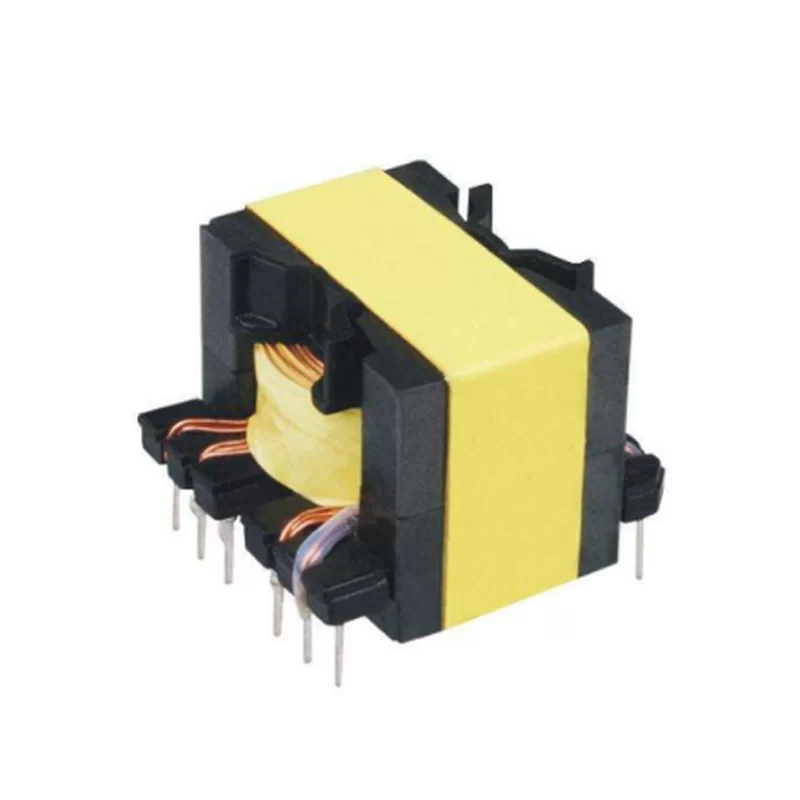
Advanced Power Solutions with metal power inductor for Nigeria’s Infrastructure

Advanced Power Solutions with metal power inductor for Nigeria's Infrastructure

Empowering Nigeria's electronic manufacturing with high-efficiency magnetic components designed for extreme climate resilience and industrial stability.

Advanced Power Solutions with metal power inductor for Nigeria's Infrastructure

Providing high-performance magnetic components that ensure voltage stability and energy efficiency for the rapidly evolving Nigerian electronics market.

The Landscape of Electronic Component Demand in Nigeria

Analyzing the intersection of power instability and the need for robust magnetic components.

In Nigeria, the electronics manufacturing sector faces unique challenges characterized by significant power grid fluctuations and high ambient temperatures. This environment demands a bead inductor capable of suppressing high-frequency noise and protecting sensitive circuits from erratic voltage spikes common in Lagos and Abuja industrial hubs.

The local market is currently shifting from simple assembly to more complex PCB integration. This transition requires high-precision components like the drum inductor to support a growing array of consumer electronics and telecommunications equipment tailored for the African market.

Furthermore, the rise of off-grid solar installations in rural Nigeria has spiked the demand for efficient DC-DC converters, making the implementation of a reliable coupled inductor buck configuration essential for maximizing battery life and energy conversion efficiency.
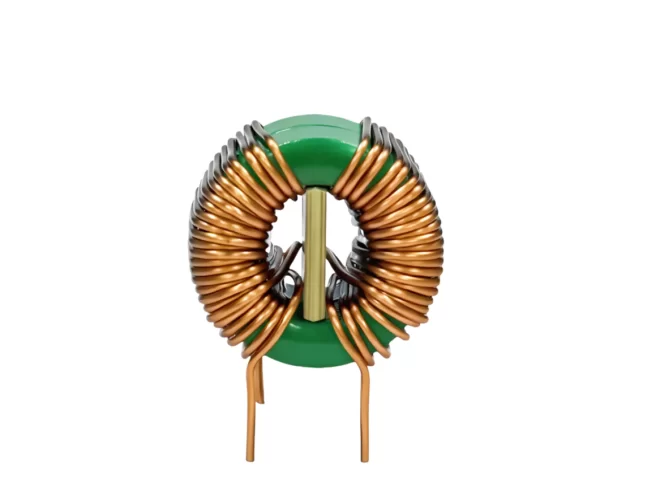
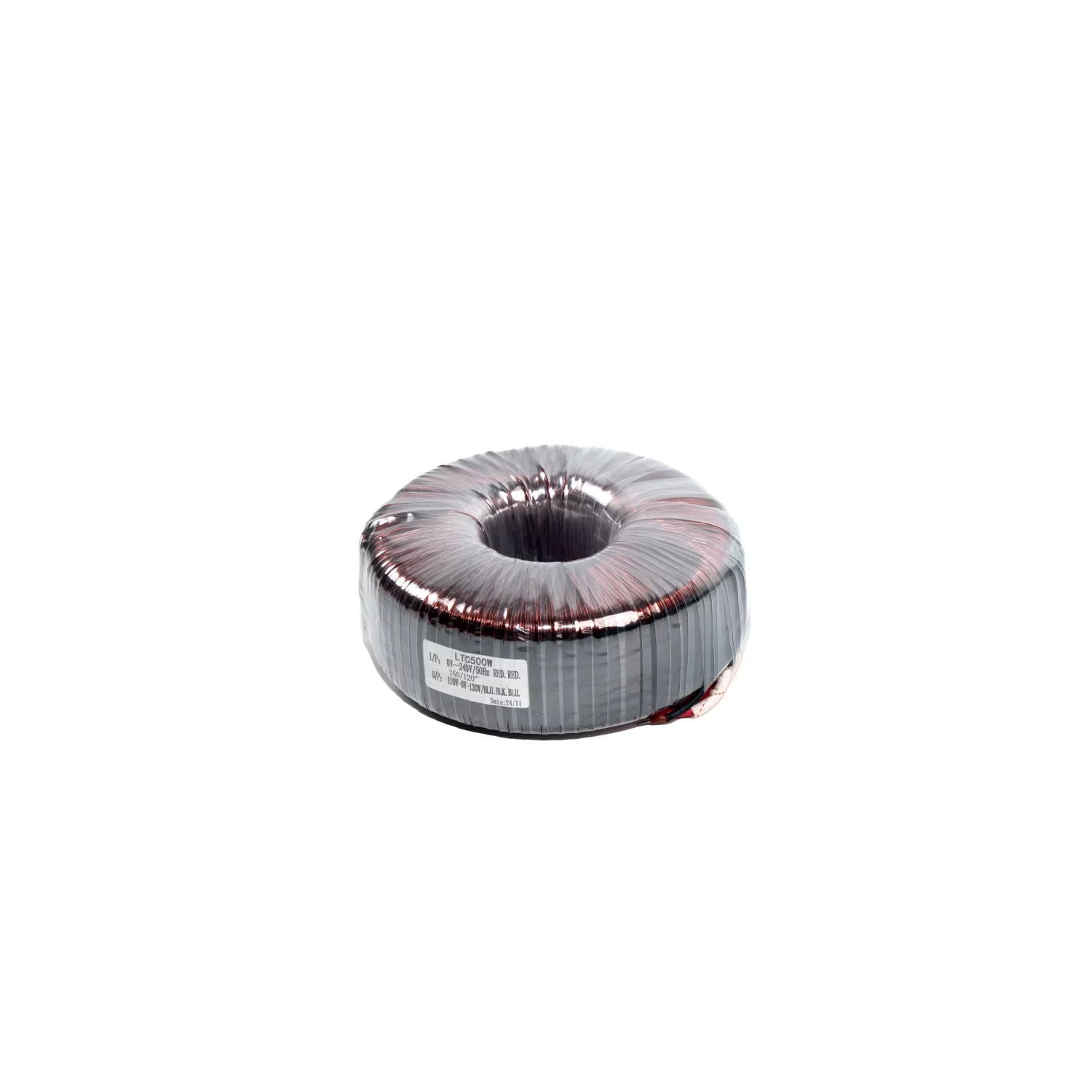
Evolution of Magnetic Component Technology in West Africa

From basic filtering to advanced power management systems.

Market Development History

During the early 2000s, the Nigerian market primarily relied on generic, oversized inductors that lacked thermal efficiency. These early components often failed under the heat and humidity of the tropical climate, leading to frequent hardware malfunctions in communication base stations.

Between 2010 and 2020, there was a pivot toward miniaturization. Engineers began integrating the coupled inductor model to reduce PCB footprint while maintaining the high inductance required for stable power delivery in mobile charging stations.

By 2023, the focus shifted toward "Industrial-Grade Durability." The adoption of shielded magnetic materials allowed Nigerian manufacturers to produce devices that resist electromagnetic interference (EMI) in densely populated urban environments.

Future Development Trends

High-Saturation Material Integration

Future designs will prioritize alloys that prevent saturation at higher currents, ensuring that power adapters remain stable during peak loads.

Thermal Management Optimization

As Nigeria expands its data center footprint, components will evolve to operate efficiently at 60°C+ without significant derating of performance.

Eco-Friendly Material Sourcing

A move toward halogen-free and recyclable magnetic cores will align local production with global green electronics standards.

Industry Trends and Future Outlook (2024-2028)

Strategic directions for electronic component integration in the Nigerian tech ecosystem.

Smart Grid Integration
Transitioning toward components that support smart meters and automated power distribution across Nigeria.
Telecom Infrastructure 5G
Demand for ultra-low noise inductors to support the rollout of 5G base stations in urban centers.
Miniaturized Power Blocks
Integration of coupled inductors to create compact, high-power density modules for portable tech.
Renewable Energy Storage
Growth in high-current inductors for lithium-battery BMS and inverter systems.

Industry Outlook

Based on Google search trends for "power electronics Nigeria" and "PCB assembly West Africa," there is a clear move toward self-sufficiency in electronic component sourcing. The market is evolving from importing finished goods to importing high-quality raw components for local assembly.

We predict that the adoption of high-efficiency magnetic components will increase by 35% over the next 3 years as Nigeria invests more heavily in digital economy infrastructure and solar-powered industrialization.

Localized Application Scenarios in Nigeria

Real-world implementations of advanced inductor technology in the Nigerian market.

1. Solar Inverter Power Modules

Using high-current inductors to stabilize DC-to-AC conversion for residential solar setups in rural Oyo and Kano states, ensuring clean power for household appliances.

2. Telecommunication Base Station Filters

Implementing noise-suppression components to protect 4G/5G equipment from the severe EMI generated by unstable municipal power grids in Lagos.

3. Portable Medical Device Power Supplies

Integrating miniaturized coupled inductors into handheld diagnostic tools used in remote clinics, where battery efficiency is critical for life-saving operations.

4. Industrial Motor Controllers

Deploying heavy-duty power inductors in textile and food processing factories in Ogun State to prevent voltage dips during machinery startup.

5. Fintech POS Terminal Power Management

Optimizing the power rail of Point-of-Sale (POS) devices used across Nigeria with compact components to extend operational time between charges.

Brand Story

Global Development History of Huizhou Xinchangda Electronics Co., Ltd.

Foundation and Precision

Established with a mission to solve the instability of power conversion, focusing on the core physics of magnetic induction.

Technological Breakthroughs

Developed proprietary winding techniques that reduced DC resistance, significantly lowering heat generation in high-load environments.

Global Market Expansion

Extended our footprint to Africa and Asia, adapting our product lines to meet the rugged environmental needs of emerging markets.

Quality Certification Era

Achieved international standards for automotive and industrial grade components, ensuring zero-defect delivery to global clients.

Sustainable Future Vision

Investing in eco-friendly materials to lead the transition toward a carbon-neutral electronics manufacturing industry.

Comprehensive Component Portfolio for the Nigerian Market

A curated selection of magnetic components engineered for stability and efficiency.

Common Questions from Nigerian Industrial Partners

Expert answers to technical challenges in local electronics manufacturing.

How do I choose the right coupled inductor model for high-temperature environments?

For Nigeria's climate, you should select models with high-grade thermal insulation and low-loss cores that maintain inductance stability up to 105°C or 125°C.

Can a bead inductor effectively stop noise from Nigerian municipal power grids?

Yes, bead inductors are excellent for filtering high-frequency noise; however, for large voltage spikes, we recommend pairing them with TVS diodes and capacitors.

What is the advantage of a metal power inductor over traditional ferrite cores?

Metal power inductors offer higher saturation currents and better efficiency, which is critical for the power-dense converters used in Nigeria's solar energy sector.

When should I use a drum inductor for my PCB design?

Drum inductors are ideal for general-purpose filtering and power supply applications where a balance between cost, size, and performance is required.

How does a coupled inductor buck converter improve battery life in portable devices?

By reducing ripple current and increasing energy transfer efficiency, coupled inductors minimize waste heat and extend the operational cycle of batteries.

Are your components compliant with international environmental standards for export to Nigeria?

All our components are RoHS and REACH compliant, ensuring they meet global environmental and safety standards for the African market.

Partner with the Magnetic Experts

Ready to optimize your electronics production in Nigeria? Our engineering team is here to provide tailored magnetic solutions.

Contact Us Now

If you are interested in our products, you can choose to leave your information here, and we will be in touch with you shortly.