Transformer manufacturing companies are at the heart of modern electrical infrastructure, responsible for the production of devices that efficiently transmit and distribute power across vast distances. These companies play a crucial role in supporting industries ranging from renewable energy and transportation to healthcare and manufacturing. Understanding the intricacies of transformer manufacturing, from design and material selection to quality control and emerging technologies, is essential for ensuring a reliable and sustainable energy future.
Globally, the demand for transformers is driven by increasing electricity consumption and the ongoing transition towards cleaner energy sources. According to the International Energy Agency (IEA), global electricity demand is projected to grow by 60% by 2050. This surge in demand necessitates significant investment in transformer infrastructure to modernize existing grids and accommodate the integration of renewable energy sources, like solar and wind, which often require transformers for grid connectivity. transformer manufacturing companies are key players in meeting this challenge.
The significance of transformer manufacturing extends beyond simply providing electrical connectivity. Efficient and reliable transformers minimize energy losses during transmission, contributing to reduced carbon emissions and lower energy costs for consumers. Furthermore, advancements in transformer technology, such as the development of smart transformers and energy-efficient core materials, are crucial for improving grid resilience and enabling the widespread adoption of distributed energy resources.
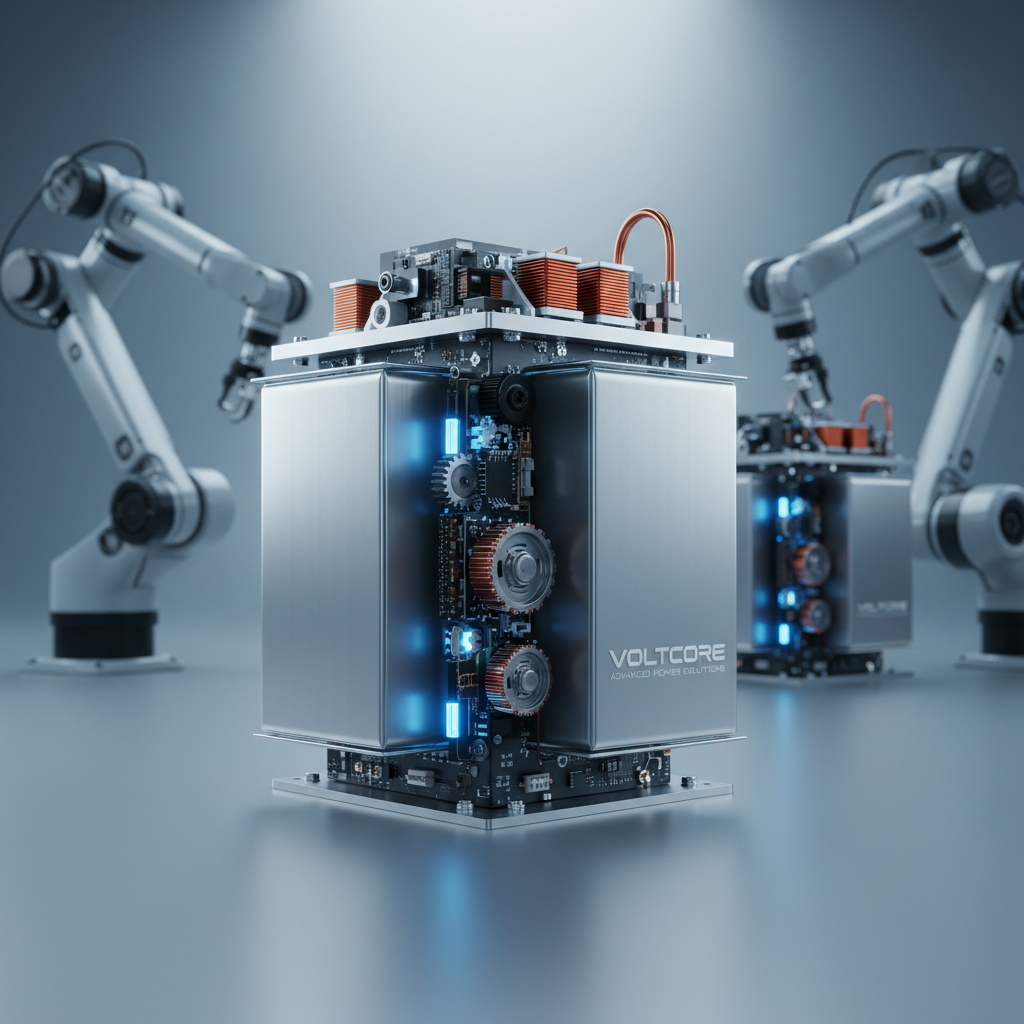
The Importance of Transformer Manufacturing
Transformer manufacturing companies are pivotal in supporting the global energy transition, particularly with the increasing adoption of renewable energy sources. These companies are not merely producers of equipment; they are innovators, developing technologies that enhance grid stability, reduce energy loss, and facilitate the integration of intermittent power sources like solar and wind. Transformer manufacturers continually strive for efficiency and reliability, factors directly impacting energy costs and environmental sustainability.
The industry’s impact extends beyond power transmission. High-quality transformers are crucial for specialized applications in industries like electric vehicles, data centers, and medical facilities, where consistent and reliable power is paramount. As these sectors grow, the demand for advanced transformer solutions will continue to increase, positioning transformer manufacturing companies as essential enablers of technological advancement.
Defining Transformer Manufacturing Companies
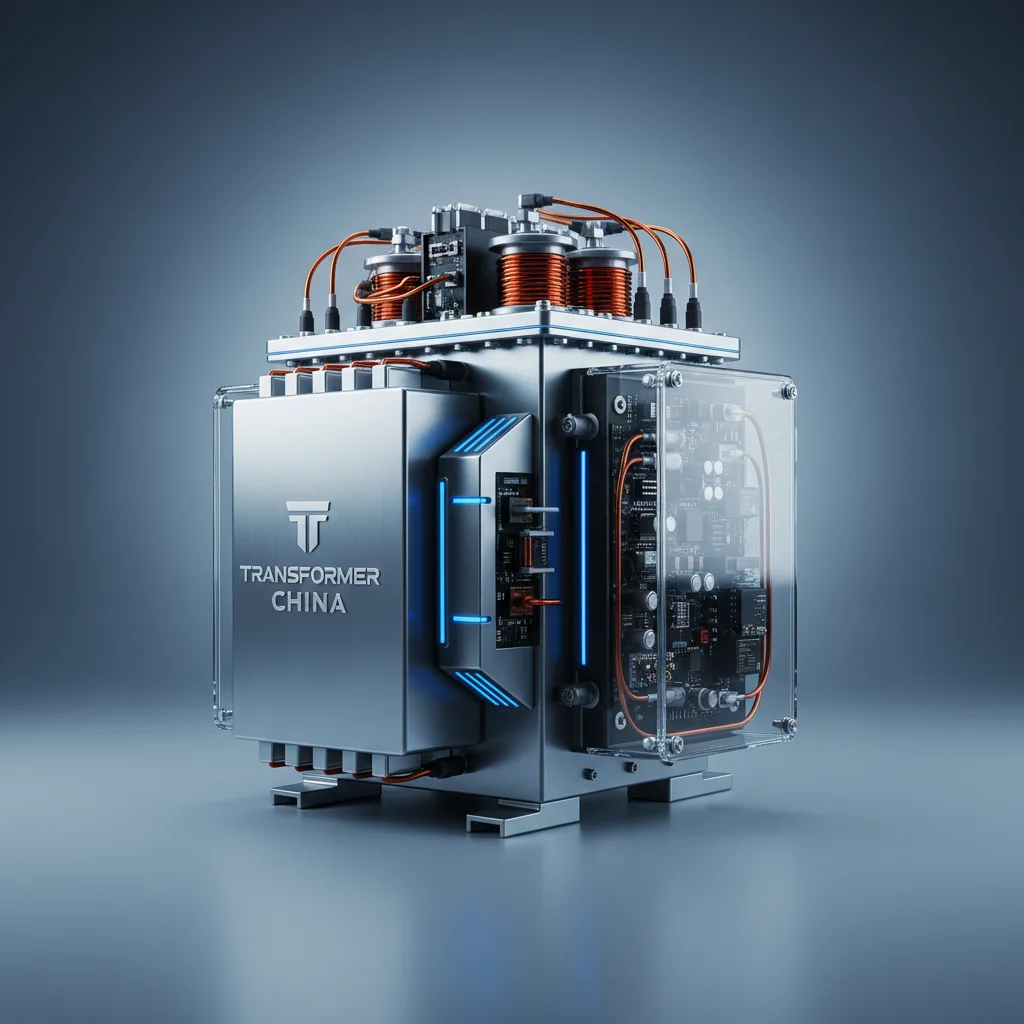
Transformer manufacturing companies specialize in the design, development, and production of transformers – static electrical devices that transfer energy between circuits through electromagnetic induction. These companies handle the entire lifecycle of a transformer, from initial concept and material sourcing to assembly, testing, and ongoing maintenance. They employ a diverse range of engineers, technicians, and skilled workers to ensure products meet stringent quality and safety standards.
The scope of these companies can vary greatly. Some specialize in specific types of transformers, such as power transformers for high-voltage transmission or distribution transformers for local networks. Others offer a broader portfolio including autotransformers, isolation transformers, and specialized transformers for industrial applications. Leading transformer manufacturers often provide customized solutions tailored to the specific needs of their clients.
The connection to modern industry and humanitarian needs is profound. Without reliable transformers, the efficient and safe delivery of electricity – a fundamental requirement for modern life – would be impossible. In emergency situations, rapidly deployable transformers are crucial for restoring power to critical infrastructure, hospitals, and communities affected by natural disasters.
Core Components of Transformer Manufacturing
Durability is a cornerstone of transformer manufacturing. These devices are designed to operate reliably for decades, often in harsh environmental conditions. This requires careful selection of materials – high-grade silicon steel for the core, robust insulating materials, and durable enclosure designs – and rigorous testing to ensure resistance to temperature fluctuations, humidity, and mechanical stress.
Scalability is another critical aspect. Transformer manufacturing companies must be capable of producing transformers across a wide range of power ratings and voltage levels to meet diverse customer needs. This requires flexible manufacturing processes, adaptable designs, and a skilled workforce able to handle both small-scale custom orders and large-volume production runs.
Cost efficiency is paramount in a competitive market. Manufacturers constantly seek ways to optimize production processes, reduce material waste, and improve energy efficiency. Lean manufacturing principles, automation, and supply chain management are essential for minimizing costs while maintaining quality.
Key Performance Indicators in Transformer Production
Monitoring key performance indicators (KPIs) is crucial for optimizing transformer manufacturing processes. One vital KPI is Core Loss, measured in watts, representing energy dissipated as heat in the transformer core. Lower core loss translates to higher efficiency and reduced operating costs. Another critical indicator is Insulation Withstand Voltage, signifying the transformer's ability to withstand high voltage stress without breakdown, ensuring safety and reliability.
Impedance Voltage, expressed as a percentage, is a key parameter affecting short-circuit current levels and system stability. Manufacturers aim to optimize impedance voltage to balance performance and protection requirements. Furthermore, Noise Level, measured in decibels, is increasingly important, especially for transformers located near residential areas.
KPI Comparison for Different Transformer Manufacturing Methods
Global Applications and Market Landscape
Transformer manufacturing companies serve a vast range of industries globally. Power utilities rely on them for transmission and distribution infrastructure, while renewable energy developers require transformers to connect solar and wind farms to the grid. Industrial facilities utilize transformers for powering machinery and processes. In remote industrial zones, these manufacturers ensure a stable power supply for essential operations.
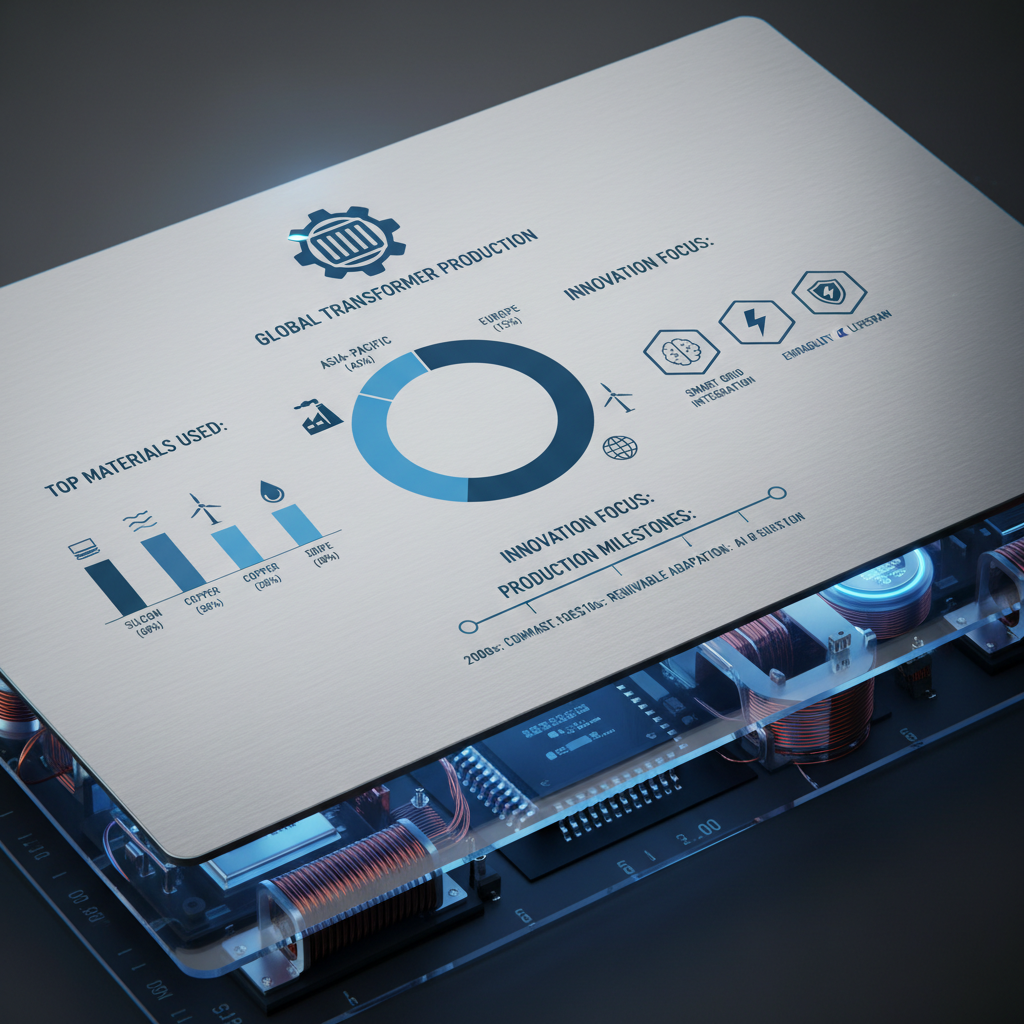
North America and Europe currently represent significant markets, driven by investments in grid modernization and renewable energy projects. However, the Asia-Pacific region, particularly China and India, is experiencing the fastest growth due to rapid industrialization and increasing electricity demand. Transformer exporters are actively targeting these emerging markets.
In post-disaster relief operations, mobile transformers play a critical role in restoring power to affected areas. NGOs and government agencies often deploy these units to provide emergency power for hospitals, shelters, and communication networks.
Advantages and Long-Term Value Proposition
Investing in high-quality transformers from reputable transformer manufacturing companies provides tangible benefits in terms of cost savings. Efficient transformers minimize energy losses, reducing electricity bills and lowering carbon footprints. Furthermore, their robust construction and long operational life minimize maintenance costs and replacement expenses.
The long-term value proposition extends beyond mere financial considerations. Reliable transformers enhance grid stability and resilience, reducing the risk of power outages and ensuring a consistent power supply for critical infrastructure. This contributes to improved public safety, economic productivity, and overall quality of life.
Future Trends and Innovations in the Industry
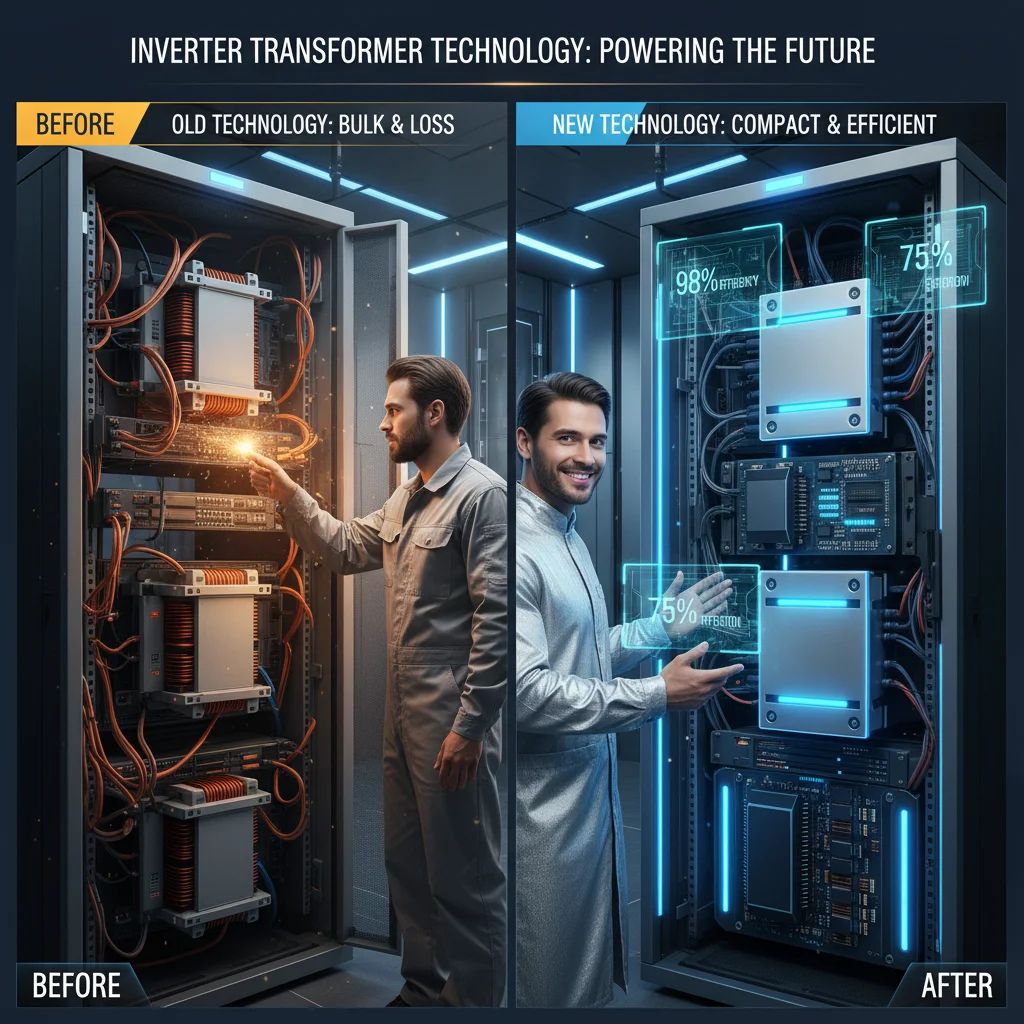
The transformer manufacturing industry is undergoing a significant transformation driven by technological advancements and sustainability concerns. Smart transformers, equipped with sensors and communication capabilities, are gaining traction, enabling real-time monitoring, remote control, and improved grid management. Digital twin technology is being utilized to simulate transformer behavior and optimize performance.
The development of alternative insulating materials, such as ester oils and solid insulation, is reducing environmental impact and enhancing safety. Furthermore, automation and robotics are being implemented to streamline production processes, improve quality control, and reduce labor costs. A key focus is the development of transformers optimized for integration with distributed energy resources and microgrids.
Sustainability is becoming a defining factor. Manufacturers are increasingly adopting circular economy principles, focusing on material recycling, energy efficiency, and reducing carbon emissions throughout the transformer lifecycle.
Challenges and Solutions
One significant challenge facing transformer manufacturing companies is the supply chain disruptions affecting the availability of critical materials like silicon steel and copper. Mitigating this requires diversifying sourcing strategies, establishing long-term contracts with suppliers, and exploring alternative materials. Another challenge is the need for skilled labor, particularly in the areas of high-voltage testing and transformer maintenance.
To address this skills gap, companies are investing in training programs, collaborating with vocational schools, and adopting automation technologies. Furthermore, the increasing complexity of transformer designs requires advanced simulation and modeling tools. Investment in research and development is crucial for overcoming these challenges and driving innovation.
Managing the environmental impact of transformer manufacturing, particularly the disposal of insulating oils, is also a critical concern. Implementing responsible waste management practices, promoting the use of eco-friendly insulating materials, and complying with stringent environmental regulations are essential for sustainable operations.
Table Summarizing Core Challenges and Solutions in Transformer Manufacturing
| Challenge |
Impact Level (1-10) |
Proposed Solution |
Implementation Cost (USD) |
| Supply Chain Disruptions |
8 |
Diversified Sourcing & Long-Term Contracts |
50,000 |
| Skilled Labor Shortage |
9 |
Training Programs & Automation |
100,000 |
| Increasing Design Complexity |
7 |
Advanced Simulation & Modeling Tools |
75,000 |
| Environmental Impact of Oil Disposal |
6 |
Eco-Friendly Oils & Waste Management |
40,000 |
| Quality Control Challenges |
7 |
Automated Testing & Inspection |
60,000 |
| Rising Material Costs |
8 |
Value Engineering & Alternative Materials |
30,000 |
FAQS
The lifespan of a transformer is influenced by several key factors, including the quality of materials used in its construction, the operating load and temperature, the environmental conditions it's exposed to, and the effectiveness of its maintenance program. Regular oil analysis, bushing inspections, and winding resistance measurements are crucial for maximizing lifespan. A well-maintained transformer can often operate reliably for 30-40 years or even longer. Leading manufacturers offer extended warranty programs reflecting this longevity.
Transformer manufacturing companies are increasingly focused on sustainability through various initiatives. These include using eco-friendly insulating oils like ester fluids, designing transformers for higher efficiency to reduce energy losses, implementing responsible waste management practices for oil and materials, and adopting circular economy principles to maximize material reuse and recycling. Many companies are also investing in research and development of more sustainable transformer technologies.
Dry-type transformers use air or inert gas for insulation, while oil-filled transformers use mineral oil or synthetic ester as the cooling and insulating medium. Dry-type transformers are generally used for indoor applications and offer lower fire risk. Oil-filled transformers are more efficient and can handle higher power ratings but require more maintenance and pose a potential environmental hazard if oil leaks occur. The choice depends on the specific application requirements and safety considerations.
Smart transformers integrate sensors, communication technologies, and advanced control algorithms to enable real-time monitoring, remote control, and improved grid management. They can help balance load, optimize voltage, and facilitate the integration of renewable energy sources. Smart transformers also enhance grid resilience by providing faster fault detection and isolation. Their data analytics capabilities provide valuable insights for optimizing grid operations.
The lead time for a custom-built transformer can vary significantly depending on its complexity, size, and the manufacturer's current workload. Typically, it ranges from 12 to 24 weeks. Factors that can influence lead time include material availability, engineering design requirements, and testing procedures. Early communication with the transformer manufacturing company is crucial for accurate scheduling.
Transformers undergo a rigorous series of tests to ensure they meet quality and safety standards. These tests include insulation resistance tests, winding resistance measurements, applied voltage tests, induced voltage tests, and short-circuit tests. Routine tests are performed on every transformer, while type tests are conducted on a representative sample to verify the design. Special tests can be performed to meet specific customer requirements.
Conclusion
Transformer manufacturing companies are the backbone of a reliable and sustainable energy future. Their role extends beyond simply producing equipment; they are innovators driving advancements in grid technology, renewable energy integration, and energy efficiency. By focusing on durability, scalability, cost-effectiveness, and sustainability, these companies are delivering solutions that power our modern world and contribute to a cleaner, more secure energy landscape.
Looking ahead, continued investment in research and development, adoption of advanced manufacturing techniques, and a commitment to environmental responsibility will be crucial for transformer manufacturers to meet the evolving demands of the energy sector. By embracing innovation and collaboration, transformer companies can ensure a resilient and efficient power grid for generations to come.