
Hit enter to search or ESC to close
Isolation transformers, manufactured by specialized companies like isolation transformer manufacturer, are critical components in modern electrical systems. These devices provide electrical isolation between the primary and secondary circuits, enhancing safety, reducing noise, and protecting sensitive equipment. Their importance spans a wide range of industries, from medical devices and industrial automation to renewable energy and telecommunications. The demand for high-quality isolation transformers is steadily increasing due to the growing complexity of electrical infrastructure and the need for reliable power solutions.
The global market for isolation transformers is experiencing significant growth, driven by increasing awareness of electrical safety standards and the expanding need for robust power conditioning. According to industry reports, the market is projected to reach substantial figures in the coming years, fuelled by stringent regulatory requirements and a rising demand for protecting valuable equipment from power surges and ground loops. The role of a dependable isolation transformer manufacturer is thus becoming increasingly vital.
Understanding the principles and applications of isolation transformers is paramount for electrical engineers, technicians, and anyone involved in the design, installation, or maintenance of electrical systems. A quality isolation transformer, sourced from a reputable isolation transformer manufacturer, is an investment in system reliability, safety, and long-term cost savings.
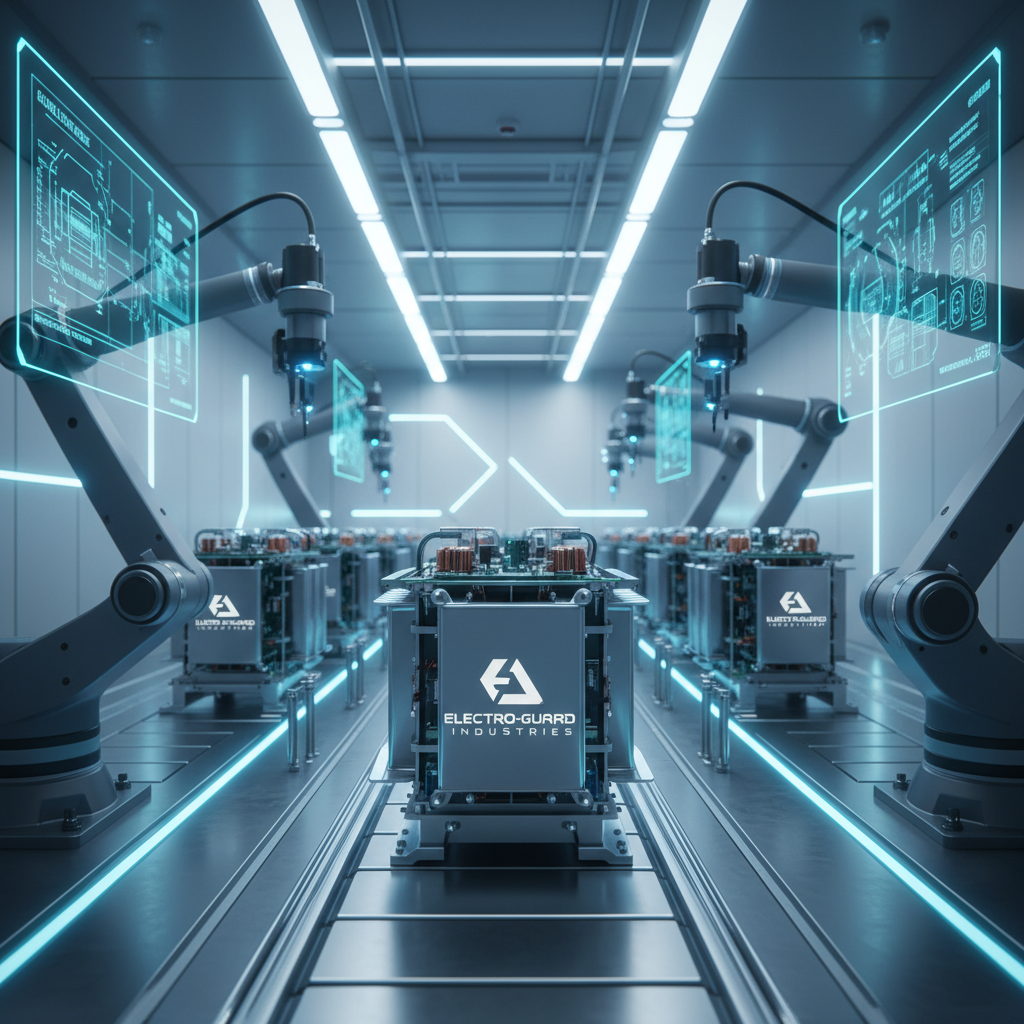

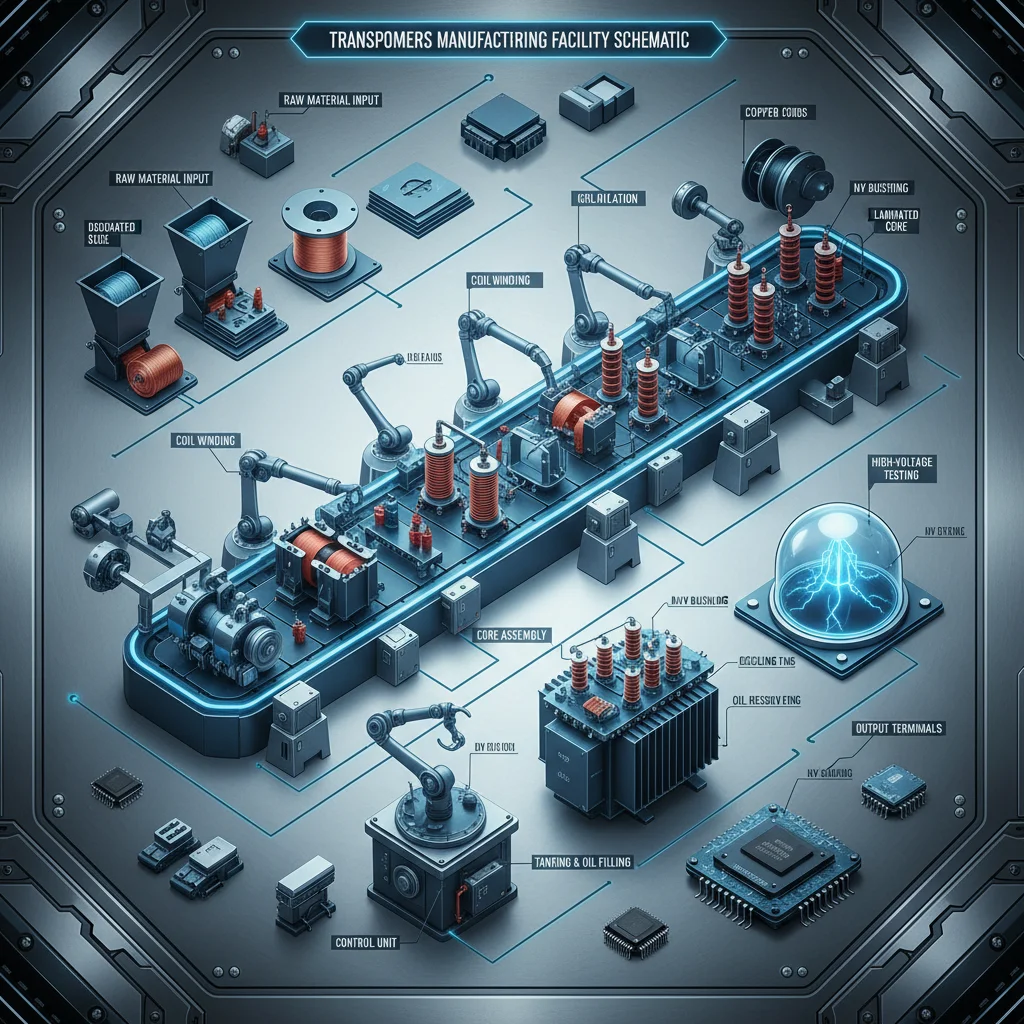
The manufacturing of isolation transformers is a complex process demanding precision, adherence to strict safety standards, and a deep understanding of electromagnetic principles. isolation transformer manufacturer companies employ skilled engineers and technicians who oversee the entire production cycle, from core construction and winding to testing and quality control.
A key differentiator for leading manufacturers lies in their ability to customize transformers to meet specific client needs, offering a range of voltage ratios, power ratings, and isolation levels. This adaptability, combined with a commitment to using high-quality materials and employing rigorous testing procedures, ensures the reliability and longevity of their products.
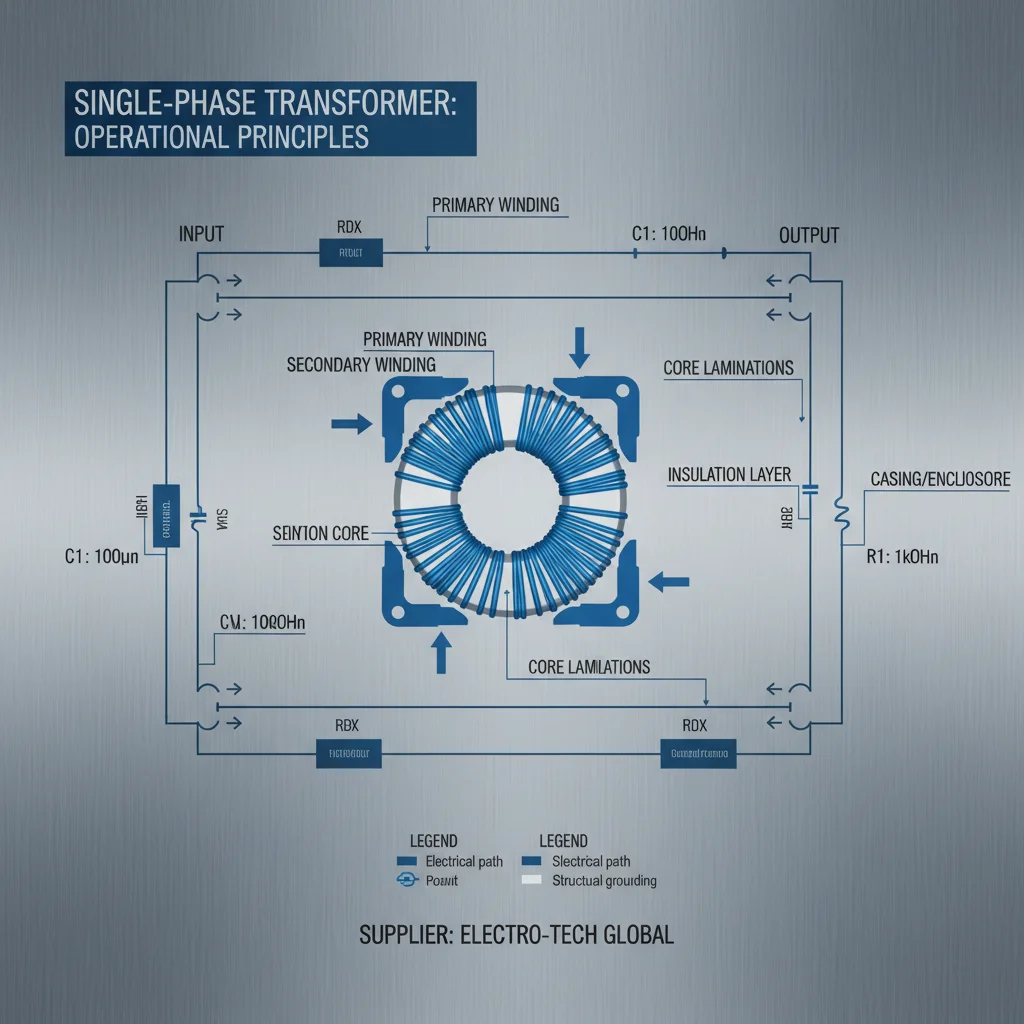
Isolation transformers provide galvanic isolation, meaning there is no direct electrical connection between the primary and secondary circuits. This drastically reduces the risk of electric shock, protects sensitive equipment from voltage spikes, and minimizes common-mode noise. A reliable isolation transformer manufacturer ensures these safety features are rigorously tested and meet stringent industry standards. This is particularly crucial in medical applications and industrial environments where safety is paramount.
Electrical noise, often caused by electromagnetic interference (EMI), can disrupt the performance of sensitive electronic devices. Isolation transformers effectively block the transmission of this noise by creating a magnetic barrier between circuits. This significantly improves signal quality and ensures the accurate operation of equipment. Selecting a high-quality unit from a reputable isolation transformer manufacturer is key to maximizing noise reduction capabilities.
While both transformers change voltage levels, they differ significantly in their construction and safety features. An autotransformer has a direct electrical connection between the primary and secondary windings, offering no galvanic isolation. An isolation transformer, conversely, provides complete isolation. This means it is much safer and more effective at reducing noise and protecting equipment. Always choose an isolation transformer when electrical safety and noise reduction are critical. A trustworthy isolation transformer manufacturer can advise on the best solution for your needs.
Several factors are crucial when selecting an isolation transformer, including the required voltage ratio, power rating, frequency, and isolation level. Consider the operating environment and any specific safety requirements. It's also important to choose a manufacturer with a strong reputation for quality and reliability. A competent isolation transformer manufacturer will offer customization options to meet your precise needs.
Regular testing and maintenance are essential to ensure the continued reliability and safety of an isolation transformer. Routine inspections should include visual checks for damage, insulation resistance tests, and winding resistance measurements. The frequency of testing depends on the application and operating environment, but annual inspections are generally recommended. A dedicated isolation transformer manufacturer can provide guidance on proper maintenance procedures.
Numerous industries rely heavily on isolation transformers, including medical, industrial automation, renewable energy, telecommunications, and aerospace. In medical facilities, they protect patients and staff from electrical hazards. In industrial settings, they safeguard sensitive equipment and ensure reliable operation. The expertise of a seasoned isolation transformer manufacturer is invaluable in these diverse applications.
In summary, isolation transformers are indispensable components in modern electrical systems, providing critical safety features, reducing noise, and protecting sensitive equipment. The ability to source these transformers from a dependable isolation transformer manufacturer is paramount to ensuring optimal performance, reliability, and adherence to industry standards. Investing in quality isolation transformers is an investment in long-term operational efficiency and safety.
Looking ahead, advancements in materials science and smart technologies will continue to drive innovation in isolation transformer manufacturing. Embracing these advancements will be crucial for meeting the evolving needs of industries and ensuring a safer, more reliable, and sustainable energy future. We encourage you to explore the range of isolation transformer solutions available at www.xcdmagnetic.com.