You know, been running around construction sites all year, smelling cement dust and oil, it’s… tiring. But honestly, seeing things actually *get built* is something else. Lately, everyone’s talking about miniaturization, right? Smaller, lighter, more efficient. It's not just phones anymore, even in industrial stuff, they're cramming more power into less space. It’s a race, and honestly, it sometimes feels like they’re forgetting about the guys actually putting this stuff together.
I tell ya, designing for manufacturability is a lost art. So many engineers, brilliant on paper, but they've never held a wrench. Have you noticed how often things are designed to be ‘easy to assemble’ but require a contortionist and a PHD in patience? It’s wild.
Transformer manufacturers, though… now *those* guys understand. It’s not just about the core and the windings. It’s about how it holds up when a forklift accidentally bumps it, or when it’s baking in the sun all day.
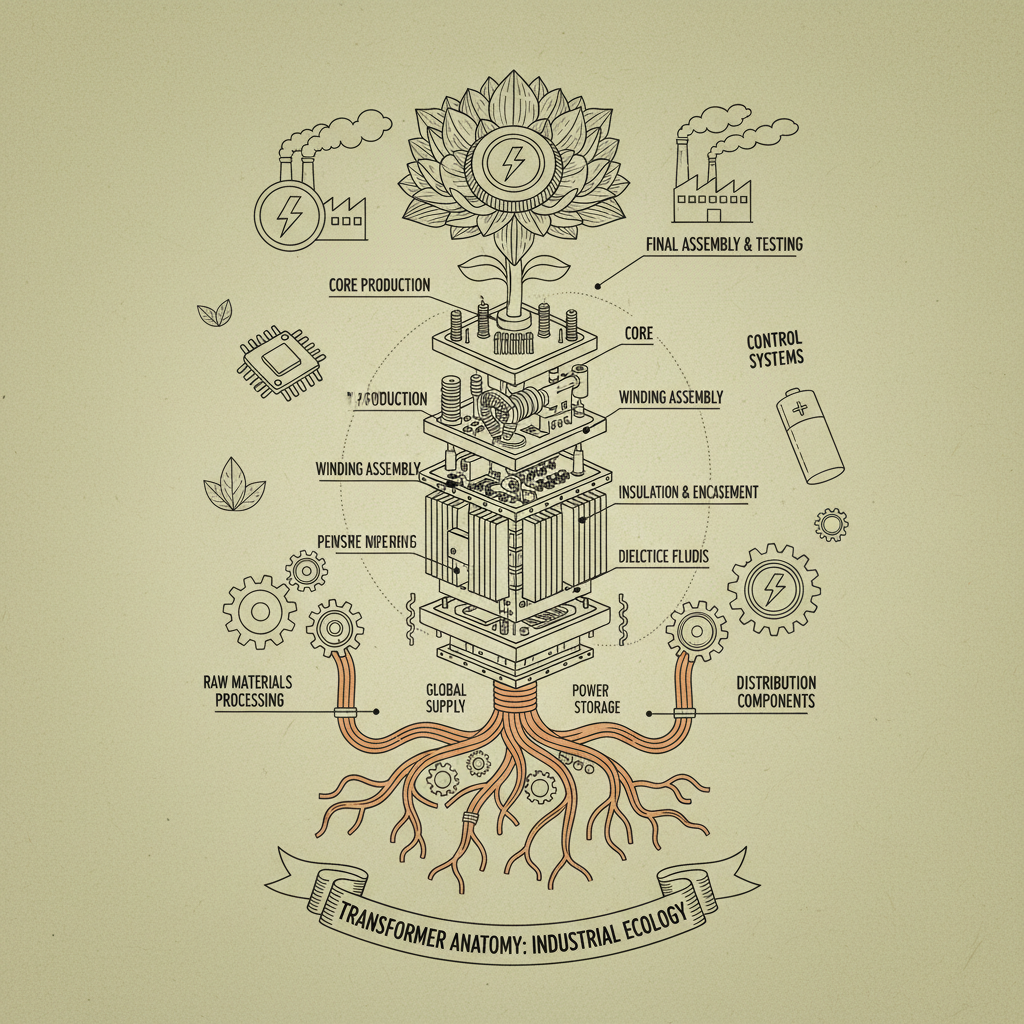
The Evolving Landscape of transformer manufacturers
Look, transformer manufacturers aren't exactly sexy, right? But they're *essential*. Every piece of electronics, every power grid… relies on ‘em. Strangely, there's been a push for more sustainable materials. Not just the copper windings, but the housings, the insulating oils, the whole shebang. It's good, don’t get me wrong, but finding stuff that’s eco-friendly *and* durable is a headache.
The global demand is insane, especially in developing countries. China, India, Southeast Asia… they're building infrastructure at a clip we haven’t seen in decades. And they want reliable power, which means good transformers. Which means a lot of pressure on the manufacturers to scale up, maintain quality, and… well, not explode. The UN, World Bank, all talking about infrastructure improvements, means business for these guys.
Design Pitfalls & Practical Considerations
I encountered this at a factory in Guangdong province last time. They'd designed a transformer with this super-compact enclosure, trying to save on materials. Looked great on the CAD drawings. But when you actually tried to *service* it? Forget about it. You needed special tools, a steady hand, and a prayer. Turns out, they hadn’t thought about how a technician with greasy gloves would actually get in there.
That’s the thing with transformer manufacturers – it's easy to get caught up in the specs, the efficiency ratings, the price per kilowatt. But if you can’t actually install, maintain, and repair it in the field, it's just a fancy paperweight. Cooling is huge, too. Overlooked way too often. And vibration. These things aren’t sitting on a lab bench; they're bolted to walls, strapped to machinery, and shaking all day long.
Anyway, I think the biggest mistake is treating them like a black box. You gotta understand the underlying principles, the trade-offs, the potential failure points.
Material Science: Beyond the Datasheet
Now, materials. Copper, obviously. But the *grade* of copper matters. The smell of high-purity copper wire is… comforting, honestly. It means quality. Silicon steel for the core, that’s a whole other world. Different grain orientations, different thicknesses, different coatings. It affects the efficiency, the heat loss, the whole thing. You can feel the difference, even before you test it.
The insulating oils… that’s where things get weird. Mineral oil is still common, but synthetic esters are gaining traction. They’re biodegradable, which is good, but they can be more expensive and require different maintenance procedures. And the epoxy resins used for encapsulation? They gotta withstand high voltages, high temperatures, and constant mechanical stress. It’s not just about the tensile strength; it’s about how they *age*.
And don't even get me started on the housings. Cast iron is robust, but heavy. Aluminum is lighter, but less durable. And those new polymer composites… they *look* promising, but I'm still skeptical about their long-term performance.
Real-World Testing & Application
Forget the lab tests, honestly. I mean, they’re important for initial qualification, but the real test is out in the field. We’ve got transformers running in everything from data centers to oil rigs. The data centers are clean, controlled environments, so that’s relatively easy. But the oil rigs? Now *that’s* a challenge. Salt spray, extreme temperatures, constant vibration… it’s brutal.
We do a lot of thermal cycling tests, simulating day-night temperature swings. We shake ‘em, bump ‘em, drop ‘em (within reason, of course). We even subject them to partial discharge tests, which basically stress the insulation to see how long it lasts. It’s not glamorous work, but it’s essential. And we listen to the guys in the field. They’re the ones who tell us what’s actually working and what’s not.
Transformer Manufacturers Efficiency Ratings
User Behavior: The Unexpected Truth
People don’t read the manuals, let’s be honest. They just… figure it out. And they often use things in ways we never anticipated. I once saw a guy using a transformer as a doorstop. A *doorstop*! I didn’t even ask.
The guys installing them, they’re often working in cramped spaces, bad lighting, with limited tools. They're not going to follow a 20-step procedure if they can get it done in five. They’ll improvise. They'll find shortcuts. And sometimes, those shortcuts work just fine. Sometimes, they don’t. It's about anticipating those behaviors and designing for them.
Advantages, Disadvantages, and Customization
The advantages? Reliability, obviously. Efficiency. The ability to step up or step down voltage. But the disadvantages? They’re heavy. They’re bulky. They can be expensive. And they can fail, spectacularly. But honestly, that’s true of most things.
Customization is huge. We had a customer last year, a small company making medical devices, who needed a transformer with a very specific footprint and isolation voltage. They wanted a custom core geometry, a special winding configuration, and a bunch of extra sensors. It was a pain to design and manufacture, but it solved their problem. That's where we add value.
It's about more than just providing a product; it's about providing a solution.
A Customer Story & Key Takeaways
Last month, that small boss in Shenzhen who makes smart home devices insisted on changing the interface to . Said it was “more modern.” We told him it wasn’t a good idea, that it would compromise the safety isolation. He didn’t listen. Fast forward two weeks, and he's calling us up, frantic, because his prototypes were blowing up. Turns out, the connector wasn’t rated for the voltage and current.
The takeaway? Sometimes, the simplest solution is the best. Don’t chase trends. Don’t compromise safety for aesthetics. And always, *always* listen to the engineers who actually understand the underlying principles.
Ultimately, whether this thing works or not, the worker will know the moment he tightens the screw.
Key Performance Indicators for Transformer Manufacturers
| Parameter |
Measurement Metric |
Target Value |
Improvement Strategies |
| Efficiency |
Percentage (%) |
98% |
Optimize core materials and winding designs. |
| Temperature Rise |
Degrees Celsius (°C) |
60°C |
Improve cooling systems and reduce core losses. |
| Short-Circuit Withstand |
kA |
10kA |
Enhance mechanical strength and improve insulation. |
| Noise Level |
dB |
50dB |
Dampen vibrations and optimize core lamination. |
| MTBF (Mean Time Between Failures) |
Hours |
50,000 Hours |
Implement robust quality control and use high-reliability components. |
| Cost per kVA |
USD |
$200 |
Streamline manufacturing processes and optimize material sourcing. |
FAQS
The lifespan of a transformer is heavily influenced by factors like operating temperature, load conditions, insulation quality, and maintenance practices. High temperatures accelerate insulation degradation, while excessive loading leads to increased heat and stress. Regular oil testing and proper ventilation are crucial for extending the lifespan, preventing failures, and maintaining optimal performance. It's not just about the initial build; it's about how it's treated over the years.
Harmonic distortion is a big issue, causing overheating and reducing efficiency. Transformer manufacturers address this by offering K-rated transformers, specifically designed to handle non-linear loads. These transformers have a modified core design and materials to minimize harmonic losses. Additionally, they use techniques like delta-wye connections to trap certain harmonics. It’s not a perfect solution, but it significantly improves the system’s performance and reliability. It’s getting worse with all the electronic devices people are plugging in.
Environmental concerns are huge now, and rightly so. Manufacturers are moving towards using biodegradable insulating oils, reducing the use of hazardous materials, and improving the recyclability of transformer components. Proper disposal of old transformers is critical to prevent oil leaks and contamination. Many companies now offer take-back programs for old units. It's expensive, but it’s the right thing to do. Plus, regulations are getting stricter.
Oil-filled transformers use mineral oil or synthetic esters for cooling and insulation. They're more efficient and can handle higher voltages, but there’s a risk of oil leaks and fire. Dry-type transformers use air for cooling and solid insulation materials. They’re safer, require less maintenance, and are good for indoor applications, but they're typically less efficient and more expensive. It depends on the application, honestly. There's no one-size-fits-all answer.
The core material is critical. Silicon steel is the most common, but the quality and grain orientation matter hugely. Amorphous metal cores offer even lower losses, but are more expensive. The core design, including lamination thickness and geometry, also affects efficiency and magnetic flux density. It’s a delicate balance between cost, performance, and size. A good core material can make a massive difference in overall efficiency.
Preventative maintenance is key to avoiding costly failures. It includes regular oil testing (for moisture, acidity, and contaminants), visual inspections for leaks and corrosion, checking tap changers, and verifying cooling system functionality. Thermographic scans can identify hotspots indicating potential problems. A good maintenance schedule can dramatically extend the life of the transformer and prevent unexpected downtime. It's boring work, but incredibly important.
Conclusion
So, there you have it. Transformer manufacturers are at a fascinating crossroads. They’re balancing the demands for greater efficiency, sustainability, and reliability with the realities of cost, manufacturing constraints, and real-world application. It’s a complex field, and it’s not always glamorous. But it’s essential.
Looking ahead, I think we’ll see more automation in manufacturing, more sophisticated monitoring systems, and a greater focus on life-cycle assessment. And, honestly, I hope we'll see more engineers actually getting their hands dirty and understanding how these things *really* work. Because ultimately, whether this thing works or not, the worker will know the moment he tightens the screw.